🐶 Colorado Moves Closer to Ending Pet Store Puppy Sales

Colorado lawmakers have taken a significant step toward changing how pets are sold across the state. A newly advanced bill would ban pet stores from selling dogs and cats statewide beginning January 1, 2027. If the proposal ultimately becomes law, retail pet shops would no longer be allowed to sell these animals anywhere in Colorado.
Supporters of the measure say the goal is to cut off what animal welfare advocates often refer to as the “puppy mill pipeline.”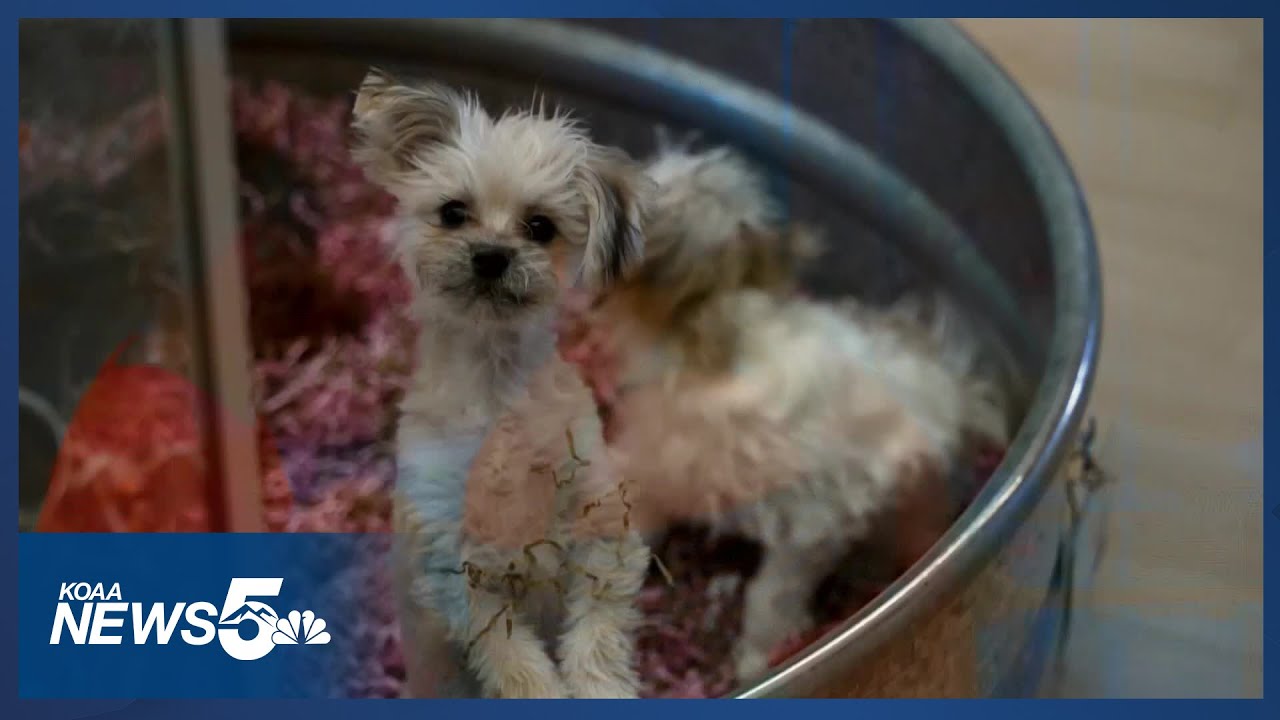 Many commercially bred animals sold in pet stores are believed to come from large-scale breeding operations, where critics argue that animals may be kept in poor conditions and bred repeatedly for profit.
By preventing retail stores from selling dogs and cats, supporters believe the law could help reduce demand from these large breeding facilities. Instead, they hope families looking for pets will turn to animal shelters, rescues, or responsible breeders.
The bill is part of a broader national trend. Over the past several years, dozens of cities and states across the U.S. have introduced similar policies aimed at limiting or banning the retail sale of puppies and kittens in pet stores. However, the proposal has also sparked debate.
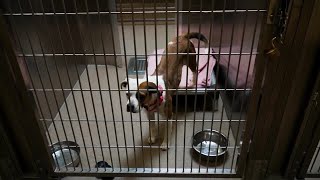 Some opponents argue the law could impact small businesses and licensed breeders, saying responsible breeders already follow regulations and care deeply for the animals they raise. Others worry about how the rule could affect independent pet store owners who currently rely on animal sales as part of their business.
Supporters counter that many pet stores could still operate successfully by partnering with local shelters and rescue groups, hosting adoption events instead of selling animals from commercial breeders.
 For now, the proposal still needs to continue through the legislative process before becoming law. Lawmakers will debate the details, hear from industry groups and animal welfare advocates, and determine whether the bill will move forward. If it passes, Colorado would join a growing number of places attempting to reshape the pet industry — with the goal of encouraging adoption, improving animal welfare, and reducing the role of large-scale breeding operations.