Middle East Conflict Deepens as Iran, Israel, and U.S. Intensify Military Strikes

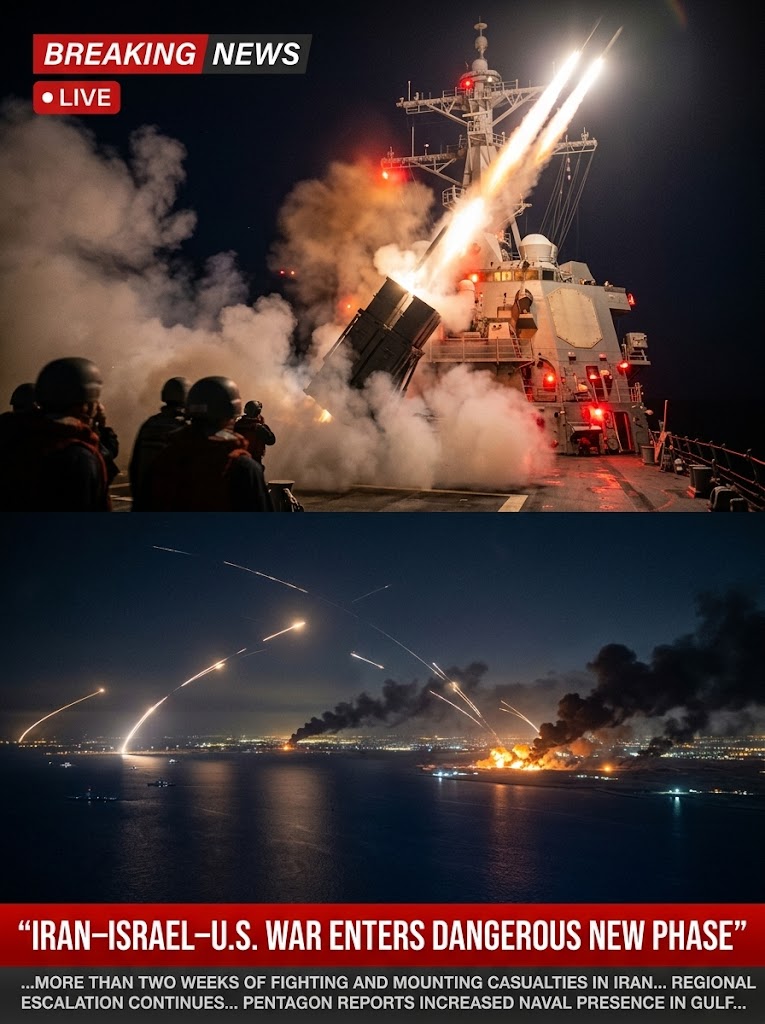
The conflict involving Iran, Israel, and the United States has entered a more volatile stage after nearly two weeks of escalating military exchanges across the Middle East. Airstrikes, missile launches, and drone attacks have continued across multiple areas, including parts of the Persian Gulf and Lebanon, as all three sides signal they are unwilling to back down. Regional reports indicate the death toll has surpassed 2,000 people, with the majority of casualties reported in Iran.
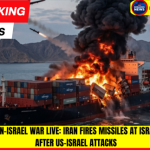
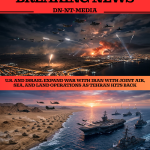
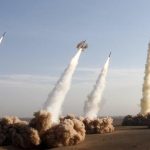
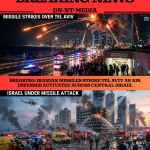
Military activity has intensified in recent days as Israeli and U.S. forces carried out further strikes against what officials described as strategic military targets linked to Iranian forces and allied groups. Iranian authorities have responded with missile launches and unmanned aerial vehicle (UAV) attacks aimed at military facilities believed to be connected to Israeli and U.S. operations.
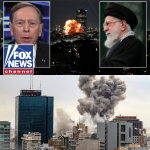
Residents across several affected areas reported hearing explosions overnight as air defense systems attempted to intercept incoming missiles and drones. Satellite imagery and preliminary assessments suggest significant damage to military installations and infrastructure in multiple locations, though full details remain difficult to verify due to the ongoing nature of the conflict.
Officials from Iran have condemned the attacks and pledged continued retaliation. Iranian state media described the strikes as “acts of aggression” and warned that further responses could follow if military operations against Iranian targets persist. Israel, meanwhile, has defended its actions as necessary to counter what it views as growing regional threats posed by Iranian military capabilities and allied armed groups.
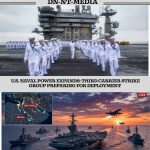
The United States has also confirmed involvement in defensive and strategic operations, stating that its actions are intended to protect U.S. personnel and regional allies while deterring further escalation. Pentagon officials have emphasized that American forces in the region remain on heightened alert as tensions continue to rise.
Security analysts say the pattern of coordinated airstrikes, missile launches, and drone attacks indicates the conflict has moved beyond isolated incidents and into a broader military confrontation. The spread of hostilities across multiple areas—including Lebanon and parts of the Gulf—has raised concerns among international observers that additional regional actors could become involved.
Diplomatic efforts to de-escalate the situation are ongoing but have so far produced limited results. Several world leaders have called for restraint and renewed negotiations, warning that the conflict risks destabilizing an already fragile region. The United Nations has expressed concern about the rising civilian death toll and urged all parties to comply with international humanitarian law.
Background
Tensions between Iran and Israel have persisted for decades, shaped by deep political rivalry, security concerns, and competing influence across the Middle East. Israel has long accused Iran of supporting armed groups across the region, including Hezbollah in Lebanon and other militant organizations operating near its borders.
The United States has historically maintained close security ties with Israel while also maintaining a significant military presence in the Middle East. Relations between Washington and Tehran have been strained for years, particularly over Iran’s nuclear program, economic sanctions, and competing regional interests.
Previous confrontations between Iran and Israel have often occurred indirectly through proxy groups or limited military strikes. However, the current escalation is notable for the scale of direct military exchanges and the simultaneous involvement of multiple state actors.
Conclusion
As the conflict continues into its second week, analysts warn that the coming days may be critical in determining whether the fighting remains contained or expands into a wider regional crisis. While international calls for a ceasefire are growing, the firm positions taken by all sides suggest that an immediate de-escalation remains uncertain.
For now, military operations continue across several fronts, and the humanitarian toll continues to rise. Observers say the path forward will depend largely on whether diplomatic channels can reopen quickly enough to prevent further escalation in one of the world’s most strategically sensitive regions.