We Are Not Separate 🌎
- HoangPhuc
- March 20, 2026
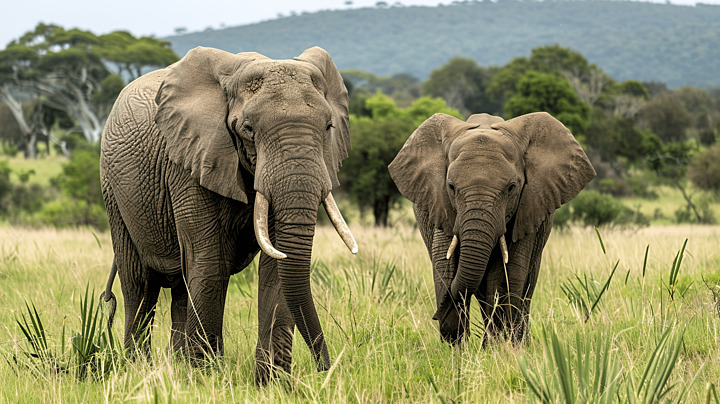
The relationship between humans and wildlife is often viewed as something distant — as if nature exists somewhere far away, separate from daily life. In reality, this division is largely an illusion.
Humans and wildlife have always been part of the same system.
We breathe the same air, rely on the same water sources, and depend on ecosystems that function through a delicate balance of species. Forests regulate the climate, oceans produce a significant portion of the world’s oxygen, and wildlife plays a critical role in maintaining these natural processes.
When that balance is disrupted, the effects do not remain isolated in the wild.
They extend to human life.
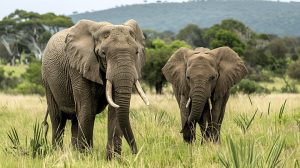
An Interconnected System
Environmental scientists have long emphasized that ecosystems are deeply interconnected. The loss of one species can trigger a chain reaction, affecting food sources, vegetation, and even climate patterns.
For example, the decline of predators can lead to overpopulation of certain species, which in turn may damage plant life and alter entire landscapes. Similarly, the destruction of forests reduces carbon absorption, contributing to global warming and extreme weather patterns.
These are not distant consequences.
They directly impact agriculture, public health, and economic stability.
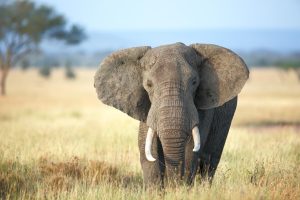
The Hidden Impact of Wildlife Loss
In many cases, the connection between wildlife and human well-being is not immediately visible.
Pollinators such as bees support global food production. Marine ecosystems influence weather systems and global temperatures. Wetlands help prevent flooding and filter water supplies.
When these systems begin to fail, the effects can be felt across communities and countries.
The suffering of the natural world does not stay confined to forests or oceans.
It eventually reaches people.
Beyond Compassion
Protecting wildlife is often framed as an act of compassion — a moral responsibility to preserve other forms of life.
While this is true, it is also incomplete.
Conservation is not only about protecting animals for their own sake. It is also about maintaining the systems that support human survival.
Clean air, stable climates, and reliable food sources all depend on healthy ecosystems.
Without them, human societies face increasing challenges.
A Shared Future
The idea that humans exist separately from nature has shaped many of the environmental challenges seen today.
However, growing awareness is shifting this perspective.
More people, organizations, and governments are recognizing that long-term survival depends on coexistence rather than control.
Sustainable practices, conservation efforts, and environmental protection are not just investments in wildlife — they are investments in the future of humanity.
A Simple Truth
The line between human life and the natural world is far thinner than it may appear.
What happens in the wild does not stay in the wild.
In the end, protecting wildlife is not only an act of kindness.
It is an act of survival — for all of us. 🌿🐾