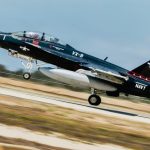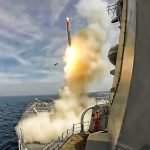
American stealth bomber vs naval ship
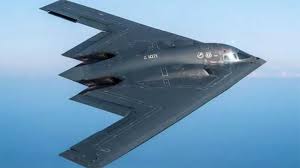
In a modern combat scenario, a U.S. stealth bomber demonstrates its ability to engage heavily defended naval targets, highlighting the evolving balance between airpower and maritime defense.
Aircraft such as the B-2 Spirit or the newer B-21 Raider are designed to penetrate advanced air defense systems using low-observable stealth technology. Flying at high altitude and often under the cover of darkness, these bombers can approach hostile naval groups with a reduced chance of detection.
Detection vs Stealth
Naval ships, especially modern destroyers and cruisers, rely on powerful radar systems like the Aegis Combat System to detect incoming threats. However, stealth bombers are engineered to minimize radar cross-section, making early detection difficult—particularly at long ranges.
The Strike Phase
Once within range, the stealth bomber can deploy precision-guided munitions, such as:
Long-range anti-ship missiles
Stealthy glide bombs
Standoff weapons that allow the aircraft to strike from outside defensive range
These weapons are often guided by GPS, infrared, or radar, enabling accurate targeting of moving ships.
Naval Defense Response
If detected, the naval vessel can respond with layered defenses:
Long-range surface-to-air missiles
Close-in weapon systems (CIWS) for last-ditch interception
Electronic warfare to jam or confuse incoming threats
Despite these defenses, saturation attacks or stealthy, well-coordinated strikes can overwhelm even advanced systems.