Why Submarine Propellers Are Never Shown?
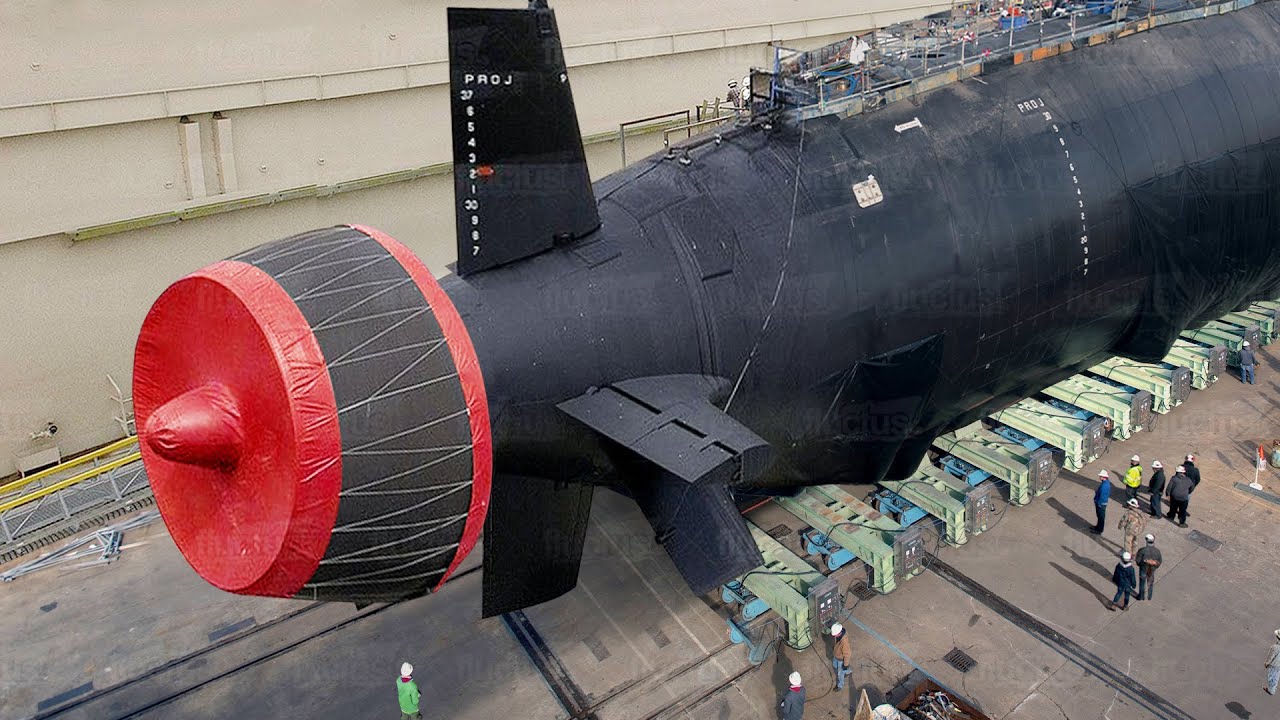
Submarine propellers are rarely seen—especially on modern military submarines—and that’s not by accident. It comes down to stealth, secrecy, and strategic advantage.
1. Noise = Detection
The propeller is one of the main sources of noise on a submarine. Even tiny design differences can affect how much sound it produces underwater. Since enemy sonar systems rely on detecting these sounds, revealing propeller details could make it easier to track a submarine.
2. Highly Classified Design
Propeller shapes (or pump-jet systems) are among the most closely guarded secrets in naval engineering. The number of blades, their curvature, and spacing all influence noise reduction and efficiency. Countries treat this information as top-level classified data.
3. Avoiding Acoustic Fingerprinting
Every submarine has a unique acoustic signature—like a fingerprint. If adversaries study its propeller, they can identify and track that specific vessel across the ocean. Keeping the propeller hidden helps prevent this.
4. Use of Covers and Censorship
In official photos and videos, navies often:
Blur or crop the rear section
Use angles that hide the propeller
Physically cover it when docked
This ensures sensitive details are not exposed publicly.
5. Modern Alternatives: Pump-Jet Systems
Many advanced submarines, such as the Virginia-class submarine, use pump-jet propulsion instead of traditional open propellers. These systems are quieter and even harder to analyze visually.