BABY GEORGE BORN WITH THREE HOLES IN HEART UNDERGOES OPEN HEART SURGERY AT 4 MONTHS OLD
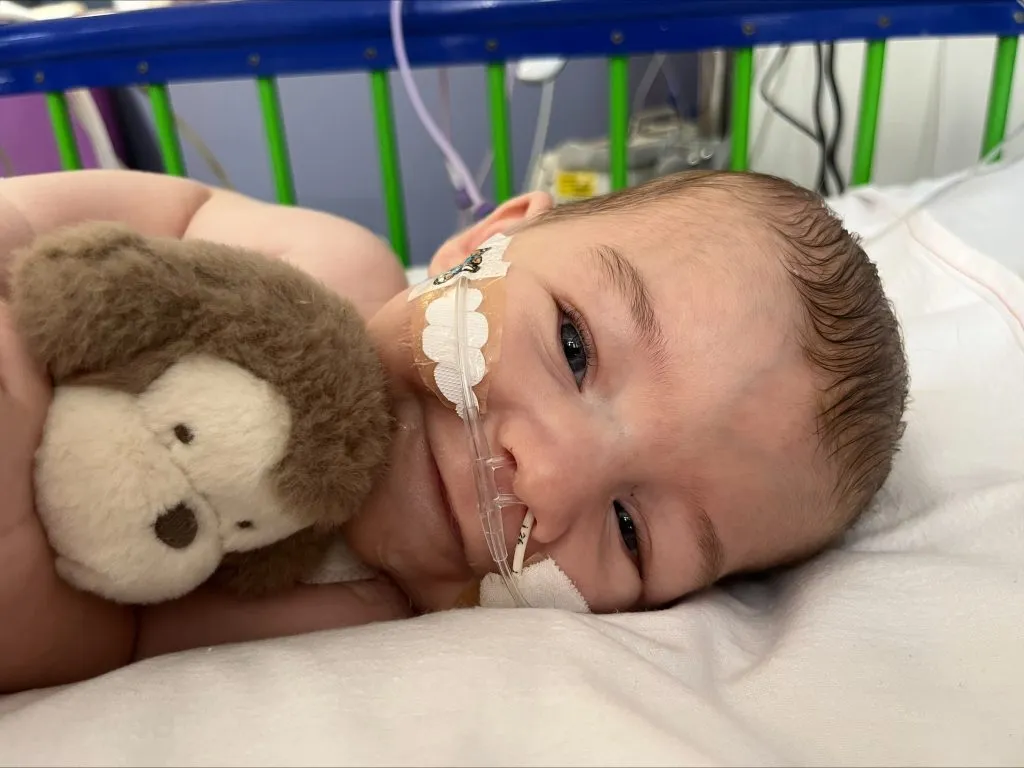
Connie’s son George was born in April 2024 with a congenital heart defect called Atrioventricular septal defect (AVSD), which was diagnosed during the 20-week scan when doctors discovered three holes in his tiny heart. The family was immediately referred to Birmingham Children’s Hospital for confirmation, and the medical team explained that surgery would be required within the first year of his life. While the early diagnosis brought practical support such as multiple scans and specialist check-ups throughout the pregnancy, it also brought deep heartbreak as Connie and her husband repeatedly asked why their unborn baby already faced such a difficult path before even arriving in the world. The emotional toll was immense, with moments of overwhelming worry about whether he would survive birth or need extensive medical equipment right from the start.
George was delivered by c-section at 39 weeks and 1 day, the safest option for his condition. The moment he was born, his oxygen levels dropped dramatically, leading to an immediate rush to the neonatal intensive care unit. Connie described the experience as gut-wrenching, unable to hold her newborn while trusting the medical team to stabilize him. After two days in NICU and a total of one week in hospital, George was able to go home, but that peaceful period lasted only four days before signs of early heart failure appeared, including poor feeding, breathing difficulties, head bobbing, sweating, and blueness around his lips. He returned to hospital for another week, requiring tube feeding because he tired too quickly from bottle feeds, along with diuretic medications to manage fluid buildup.
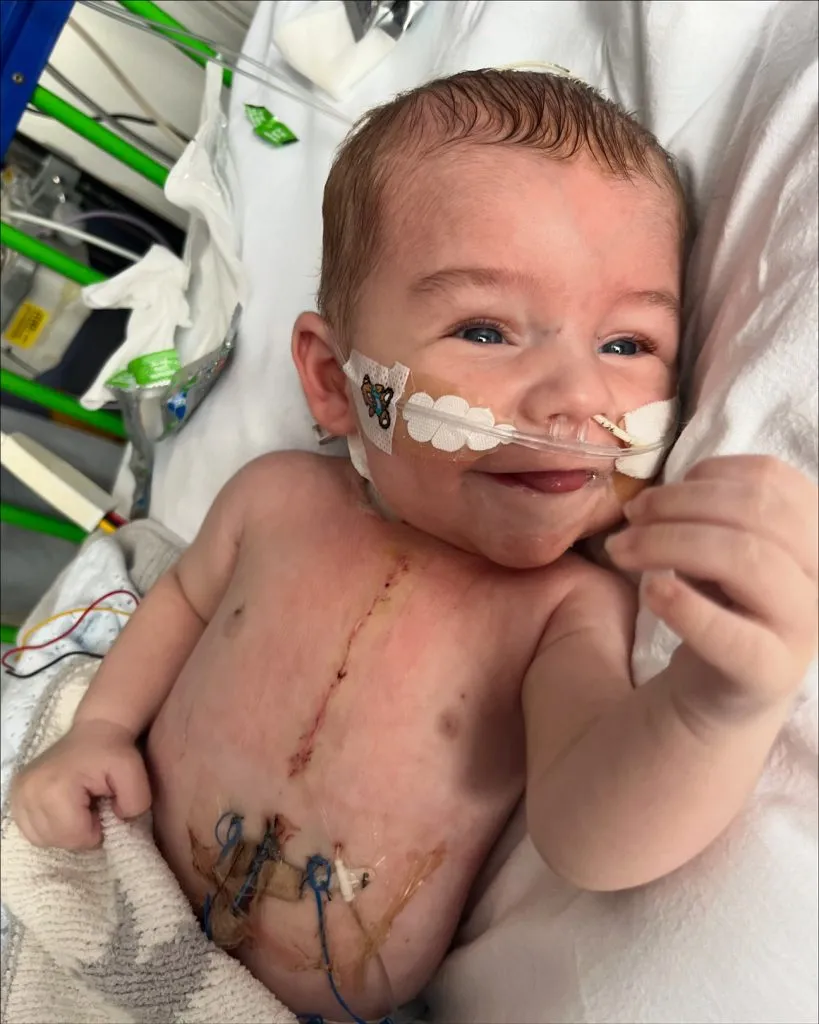
A few months of countless appointments passed, and at just four months old George underwent open heart surgery lasting six hours, including two hours on a bypass machine. He spent two days in the pediatric intensive care unit and three weeks in hospital overall, where the staff at Birmingham Children’s Hospital provided exceptional care that Connie described as treating her son like royalty. The family was filled with fear and anxiety leading up to the operation, with Connie crying more as the day approached, yet George made it through successfully.
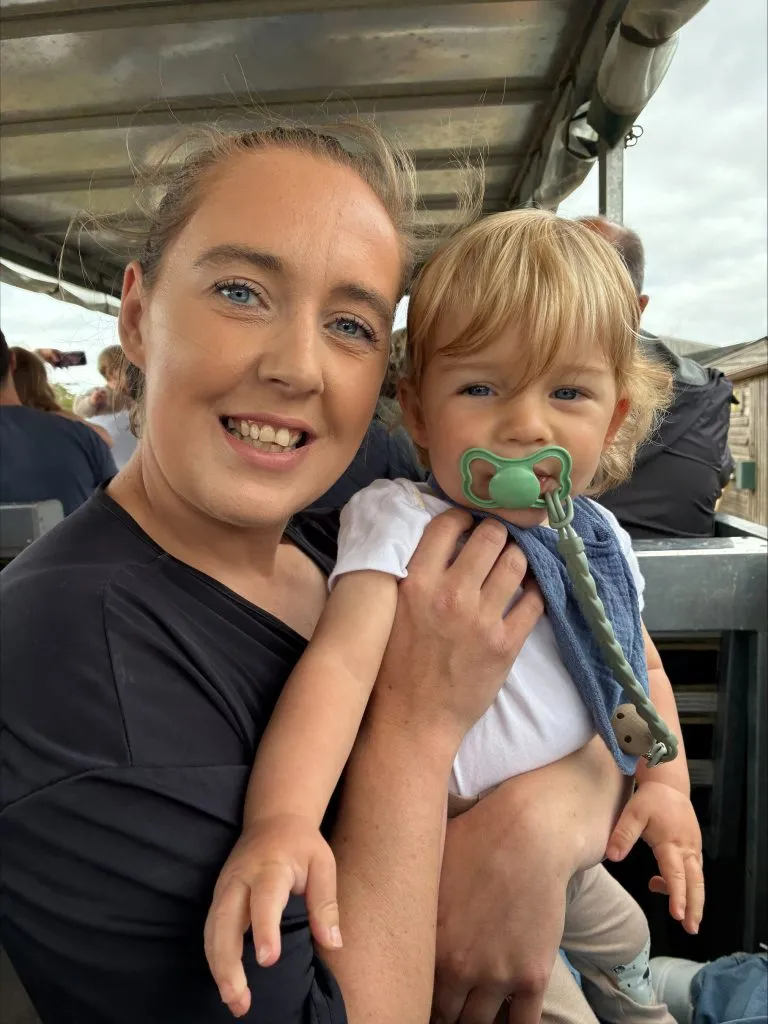
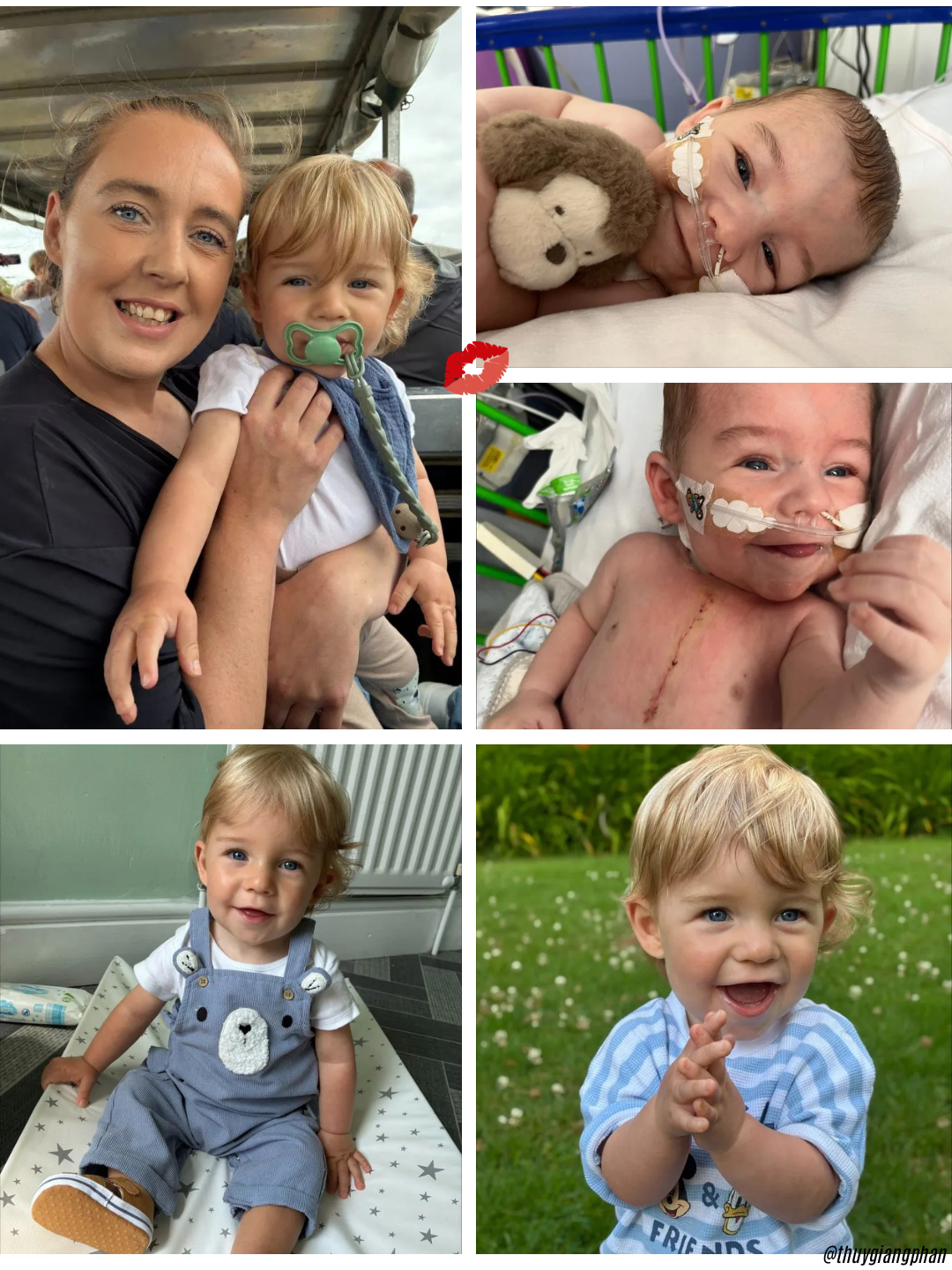
Today George still has leaky valves and continues regular follow-up visits at Birmingham Children’s Hospital. He has also developed other health conditions discovered after birth. Despite everything, he remains the bravest, most beautiful, cheeky, happy, and sweetest little boy his mother has ever known. Connie proudly calls him her hero and cherishes every moment, acknowledging that the future is uncertain but filled with gratitude for the time they have together and the strength he continues to show.
The family continues to navigate life with ongoing medical needs, but George’s journey has become a powerful example of resilience and the importance of early diagnosis and specialized care. Connie and her husband are enjoying every second with their son, finding joy in his cheeky personality and the small daily victories that remind them how far he has come since those frightening early days.