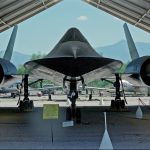
Iran Will Not Survive This: B-2 Bombers SEAL Natanz Underground Facility

B-2 Strikes on Natanz: Major Blow to Iran’s Nuclear Infrastructure, But Not Total Destruction
As the conflict between the United States, Israel, and Iran intensifies, reports of B-2 stealth bomber strikes on Iran’s Natanz nuclear facility have fueled dramatic claims that the site has been completely “sealed” or destroyed. However, verified information suggests a more complex reality.
The Natanz facility—one of Iran’s most critical uranium enrichment sites—has indeed been targeted multiple times during recent operations. U.S. forces have used B-2 Spirit stealth bombers, capable of delivering powerful bunker-buster munitions designed to penetrate hardened underground structures.
These strikes have caused significant damage, particularly to above-ground infrastructure and access points. According to international assessments, entrances to the underground facility were hit, making parts of Natanz difficult to access and disrupting operations.
However, there is no confirmed evidence that the deeply buried core of the facility has been completely destroyed or permanently sealed. The enrichment halls at Natanz are located far underground and were specifically engineered to withstand heavy bombardment.
Recent reports also indicate that while the site has been struck again during the ongoing war, there have been no radioactive leaks, and the full extent of operational damage remains unclear.
The use of B-2 bombers highlights the seriousness of the campaign. These aircraft are among the only platforms capable of delivering massive ordnance penetrators—30,000-pound bombs designed to target fortified underground facilities. Their deployment signals a strategic focus on crippling Iran’s long-term nuclear capabilities rather than achieving immediate total destruction.
Despite these high-impact strikes, experts caution against claims that Iran’s nuclear program—or the country itself—has been decisively defeated. Underground facilities like Natanz are built with redundancy, and Iran has historically demonstrated the ability to repair, rebuild, or relocate sensitive operations.