US-Iran War: Iran Sets Five Conditions to End the War
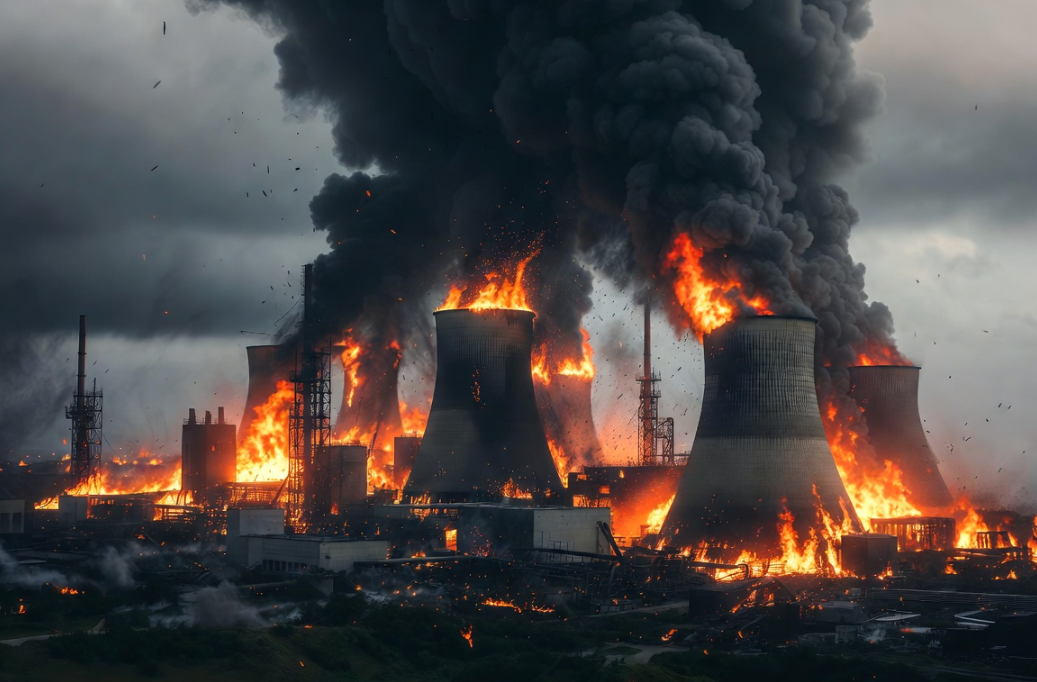
As the US-Iran war rages into its critical fourth week following the initial February 28, 2026, strikes that reshaped the Middle East’s power dynamics, Tehran has formally outlined five non-negotiable conditions for any potential ceasefire, directly countering the American 15-point proposal and signaling a firm stance against what it calls imposed aggression from Washington and its allies. These conditions, broadcast through state television and reiterated by high-level officials, include an immediate and complete halt to all military operations and assassinations, ironclad international guarantees preventing future attacks, substantial reparations for damages inflicted on Iranian infrastructure and civilian areas, a comprehensive end to hostilities across all regional fronts involving allied groups, and formal recognition of Iran’s sovereign authority over the Strait of Hormuz as a vital strategic waterway. This bold diplomatic move comes amid ongoing US-Israeli airstrikes that have targeted thousands of sites, yet it positions Iran as the party dictating terms rather than accepting defeat, reflecting the regime’s resilience despite significant military setbacks reported by the Pentagon. Global markets have reacted with volatility, as the conditions touch directly on energy security and could prolong disruptions in oil flows if not met, while diplomats scramble to interpret whether this opens a door for mediated talks or hardens the path to further escalation.
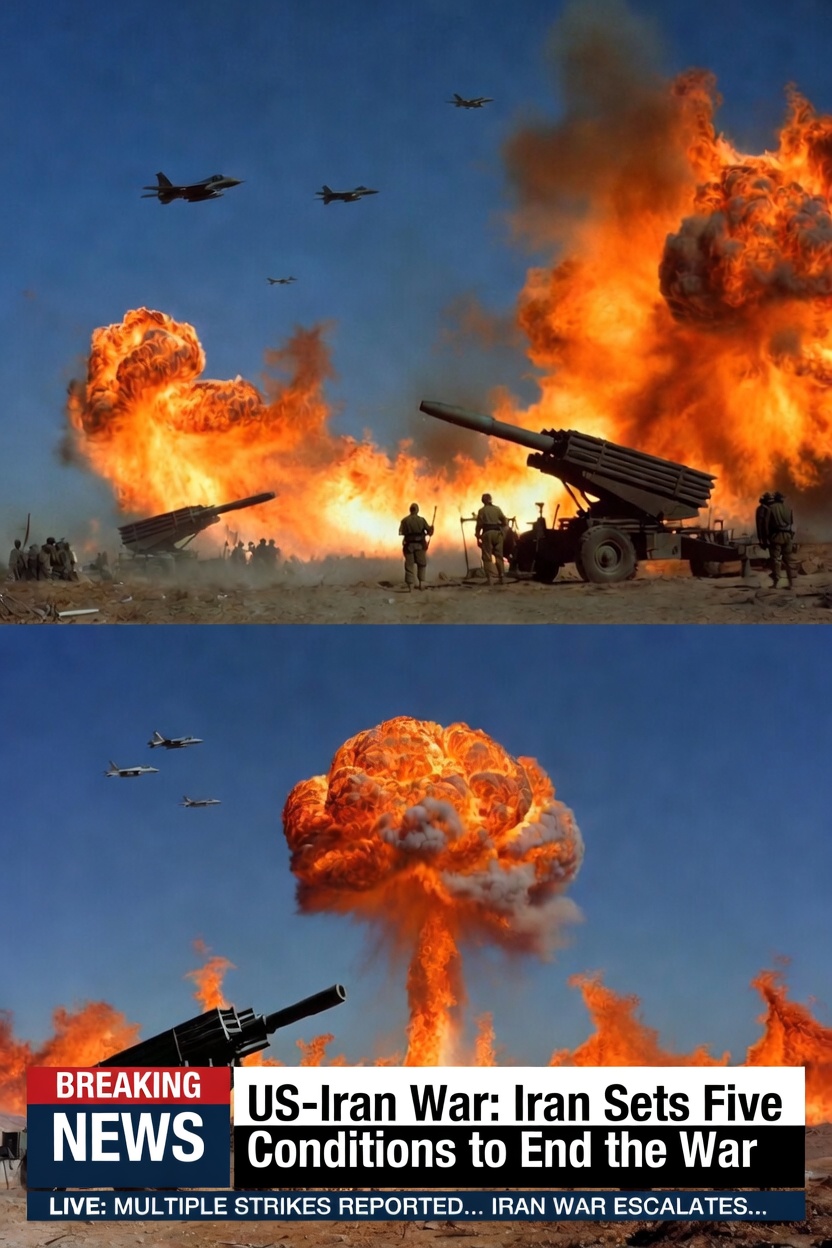
The five conditions laid out by Iran represent a comprehensive framework that addresses not only the immediate cessation of fighting but also long-term security assurances that Tehran insists are essential for any lasting peace, drawing on historical grievances over foreign interventions in the region and emphasizing sovereignty in ways that challenge US dominance in Gulf affairs. Iranian Foreign Ministry spokespeople have stressed that these demands are rooted in the principles of justice and self-defense, particularly highlighting the need for compensation to rebuild areas affected by the massive aerial campaign that has reportedly degraded naval capabilities and missile production facilities. In response, US officials have described the proposal as unrealistic while quietly exploring backchannel communications through third parties, with President Trump publicly claiming progress in negotiations even as military reinforcements, including elements of the 82nd Airborne Division, continue to flow into the theater. The inclusion of the Strait of Hormuz in the conditions has raised particular alarm among energy analysts, given that nearly 20 percent of global oil trade passes through this chokepoint, and any assertion of exclusive control could reshape maritime law and international trade norms for decades to come.
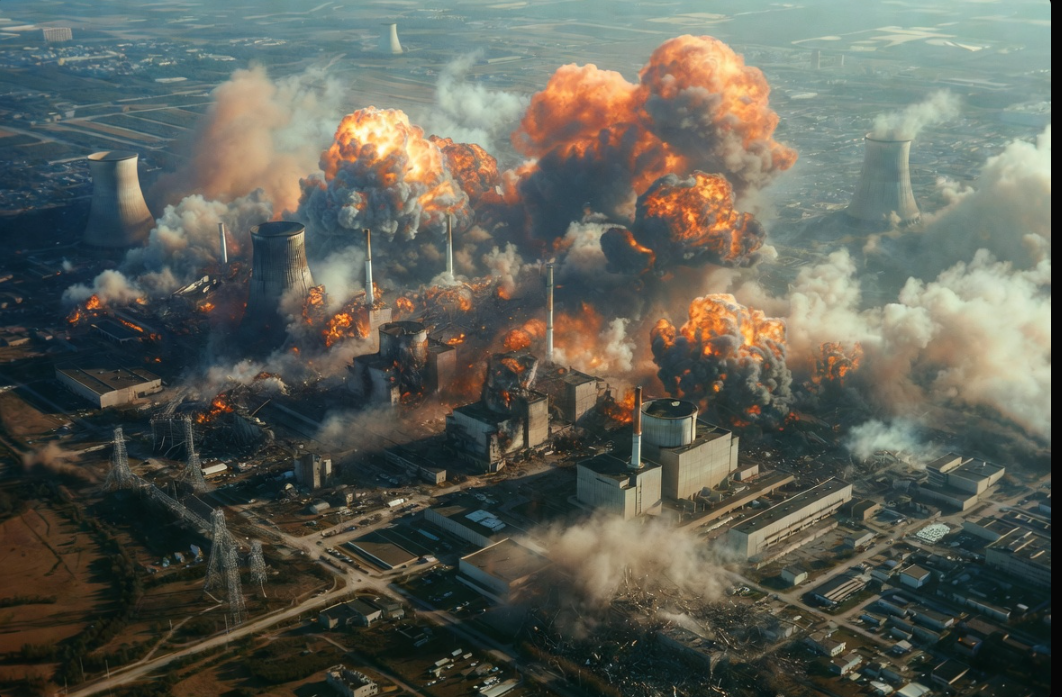
Analysts monitoring the conflict note that Iran’s conditions come at a moment when both sides are weighing the costs of continuation against the benefits of de-escalation, with Tehran leveraging its remaining missile arsenal and proxy networks to maintain leverage despite the loss of key leadership figures in the opening strikes. The war has already claimed thousands of lives and displaced populations across multiple countries, turning what began as targeted operations into a broader regional confrontation that threatens to involve additional actors if the diplomatic window closes. Families in Iran and the United States alike are caught in the crossfire of uncertainty, as daily reports of strikes and retaliations underscore the human toll that extends far beyond battlefield statistics. This latest development in the US-Iran war highlights the complex interplay between military action and political maneuvering, where each side’s public declarations serve multiple audiences from domestic supporters to international observers seeking a path out of the violence.
As the world watches to see whether these five conditions will lead to breakthroughs or breakdowns in the US-Iran war, the stakes could not be higher for stability in West Asia and the global economy, with every passing hour bringing new assessments from intelligence agencies and think tanks on the feasibility of compromise. Iran’s firm position may ultimately force a recalibration of strategies in Washington, where the focus remains on achieving core objectives like neutralizing nuclear threats and missile programs while avoiding a quagmire that could stretch resources thin across multiple global hotspots.