Beyond the Headlines: Why Striking a U.S. Carrier Strike Group Is a Systems Problem, Not a Missile Problem nt
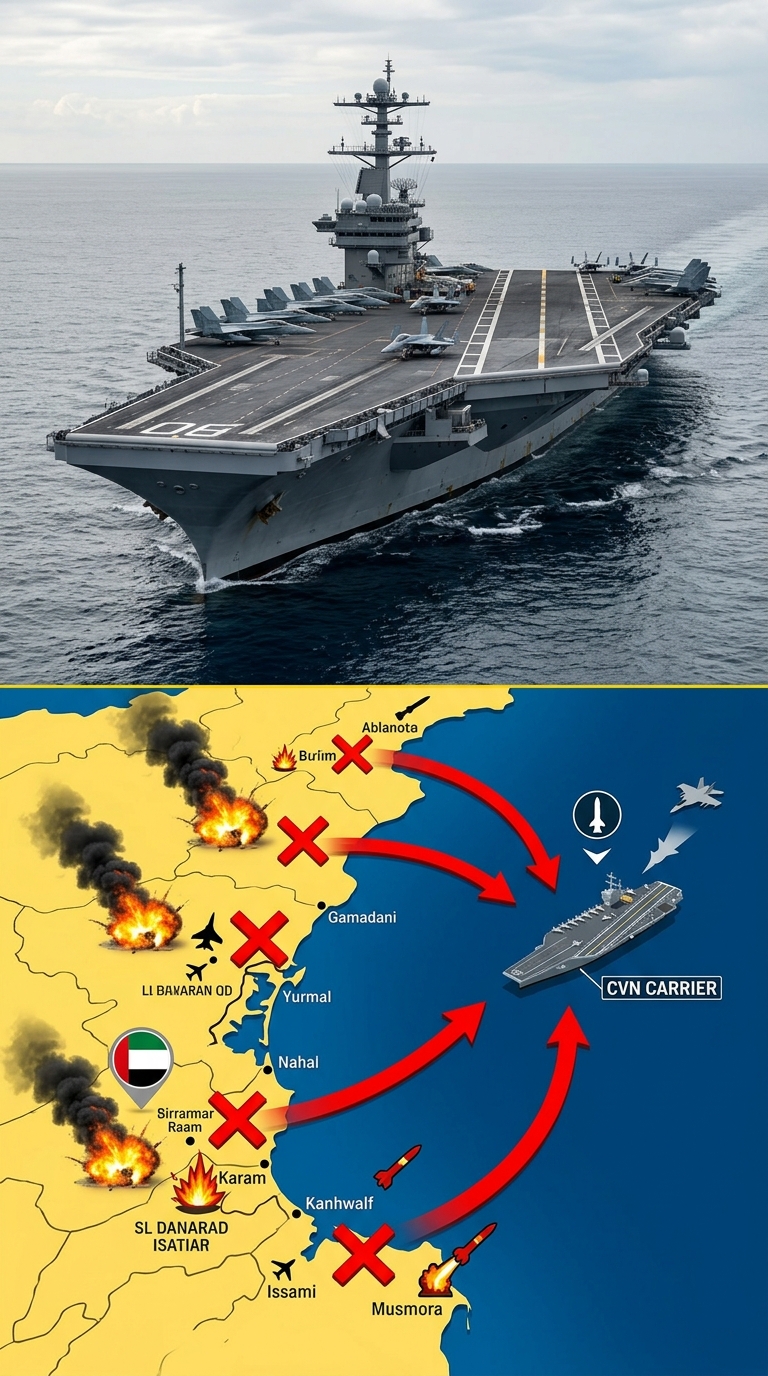
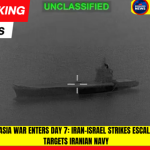
In the age of instant information, bold military claims travel faster than missiles ever could. Recently, statements attributed to Iranian state media suggested that two major U.S. naval assets—USS Abraham Lincoln and USS Tripoli—had been “targeted.” On the surface, such a declaration sounds alarming, even escalatory. But when examined through the lens of physics, systems engineering, and modern naval doctrine, the claim transforms from a credible threat into something far more complex: a narrative that collides with reality.

This is not a story about whether a missile can hit a ship. It is about whether an entire system—composed of detection, tracking, communication, coordination, and interception—can function flawlessly under extreme conditions. Because in modern naval warfare, striking a U.S. carrier strike group is not a single action. It is a chain of near-impossible requirements.When most people hear that a warship has been “targeted,” they imagine a straightforward sequence: identify the ship, launch a missile, and wait for impact. That mental model is outdated.
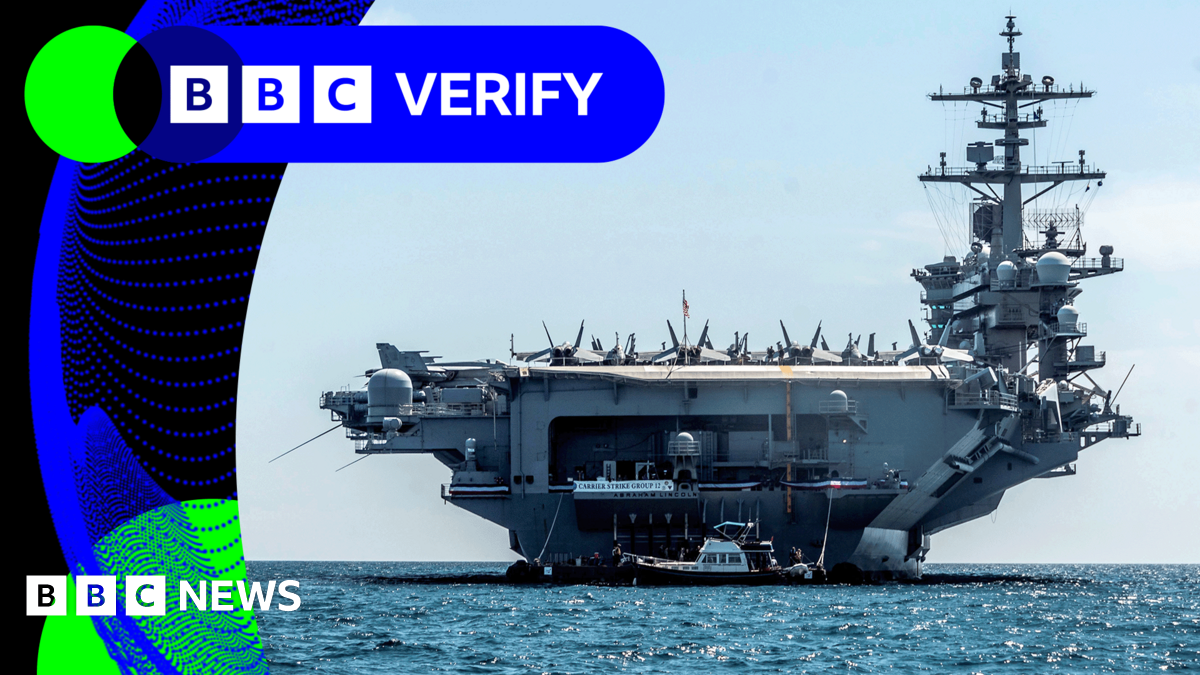
USS Abraham Lincoln is not merely a ship. It is the center of a carrier strike group—a highly coordinated network of vessels, aircraft, sensors, and weapons systems. Similarly, USS Tripoli, often misunderstood due to its classification as an amphibious assault ship, operates as a “lightning carrier,” capable of deploying advanced stealth aircraft.
A carrier strike group functions like a layered defensive organism. Surrounding the central ships are destroyers and cruisers equipped with advanced radar and missile systems. Above them, aircraft patrol vast areas of airspace. Beneath the surface, submarines may operate unseen. Every component contributes to a shared awareness of the battlespace.