
💔🔥 ONE FIRE, ONE VERDICT — A CASE THAT STILL DIVIDES
- SaoMai
- April 29, 2026
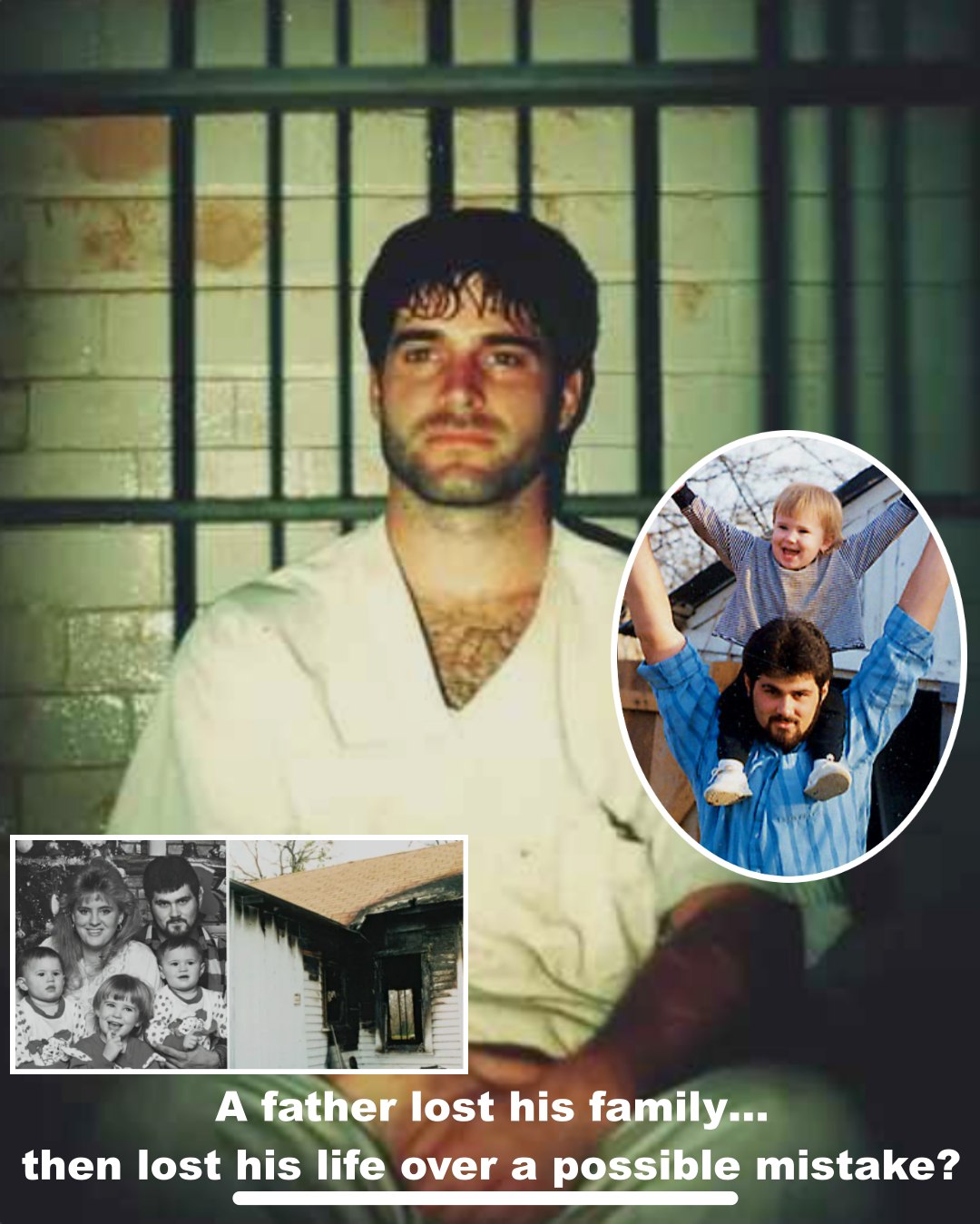
💔🔥 ONE FIRE, ONE VERDICT — A CASE THAT STILL DIVIDES
On December 23, 1991, a devastating house fire in Corsicana, Texas, took the lives of three young girls. Their father, Cameron Todd Willingham, was inside the home at the time and survived, later stating that he tried desperately to rescue his children but was unable to reach them through the flames and smoke.
In the days that followed, the focus of the tragedy shifted.
Investigators concluded that the fire was not accidental. Based largely on fire pattern analysis and the expert interpretations available at the time, authorities determined the blaze had been intentionally set. Willingham was arrested and charged with arson and murder.
 The case moved forward without a confession or a clearly established motive. Instead, it relied heavily on forensic testimony regarding burn patterns, accelerant indicators, and other signs that were then believed to point toward arson.
Willingham maintained his innocence throughout the investigation and trial. Even when facing the death penalty, he refused to admit to a crime he said he did not commit, including rejecting opportunities that might have spared his life in exchange for a confession.
He was convicted and, in 2004, executed.
For many, that might have been the end of the story. But over time, advances in fire science began to reshape how investigators understand and interpret fire scenes.
Years after the execution, independent fire experts reviewed the evidence used in the original case. Their conclusions raised serious concerns. Techniques and assumptions that were once widely accepted—such as certain burn patterns indicating accelerants—were now considered unreliable or outdated.
Some experts suggested that the fire may not have been intentionally set at all, but could instead have been accidental.
These findings reignited debate around the case. Supporters of Willingham argue that he may have been wrongfully convicted based on flawed forensic methods. Others maintain that the original verdict was justified based on the information available at the time.
Today, the case remains one of the most widely discussed and controversial examples in debates over forensic science, the death penalty, and the possibility of wrongful convictions.
It stands as a reminder of how evolving science can challenge past conclusions—and how the consequences of those conclusions can be irreversible.
Because in the end, the question still lingers:
Was it justice… or a tragic mistake? 💔🔥