The Travis Chimpanzee Case: A Tragic Warning About Wild Animals in Domestic Spaces
The Travis Chimpanzee Case: A Tragic Warning About Wild Animals in Domestic Spaces
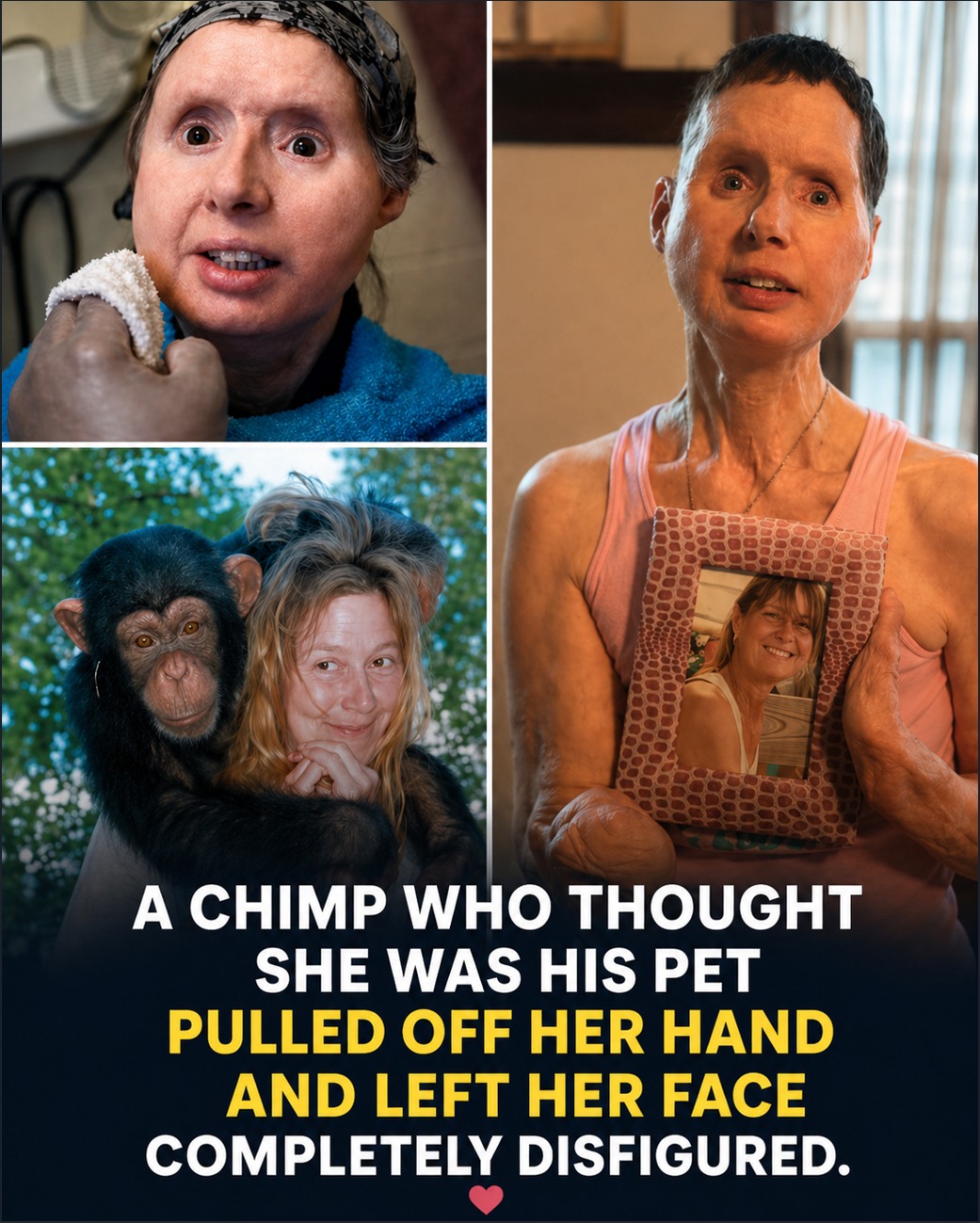
The 2009 chimpanzee attack in Stamford, Connecticut remains one of the most widely discussed and disturbing animal-related incidents in modern U.S. history. It centers on Travis, a 14-year-old chimpanzee who had been raised in a private home by Sandra Herold and treated in many ways as a human companion.
Travis was well known in his community for his unusually “human-like” behavior. He could use household utensils, open doors, dress himself, and even ride in vehicles. To many who saw him, he appeared gentle and familiar, almost domesticated. However, despite these learned behaviors, Travis remained biologically and instinctively a wild animal with immense physical strength and unpredictable emotional responses.
 On the day of the incident, Travis became suddenly agitated when Charla Nash, a friend of his owner, arrived at the home. Reports later suggested that changes in routine and unfamiliar cues may have contributed to his distress. In an attempt to calm him, Sandra Herold reportedly administered a sedative earlier that day, though later discussions among experts raised concerns that it may have had an unintended and paradoxical effect.
Within moments, the situation escalated into a violent attack.
Emergency responders later described the aftermath as one of the most severe animal attacks they had ever encountered. Charla Nash sustained life-threatening and life-altering injuries, including catastrophic facial trauma, severe damage to her hands, and loss of essential facial structures. She was also left blind as a result of the attack.
Police officers arriving at the scene were forced to use lethal force to stop Travis and prevent further harm.
Despite the severity of her injuries, Charla Nash survived. In 2011, she underwent a groundbreaking partial face transplant procedure, one of the most advanced surgeries of its kind at the time. The surgery restored several vital functions, including the ability to eat more normally, improved speech, partial facial mobility, and other reconstructive improvements that significantly enhanced her quality of life.
The case had a profound impact on public policy and animal welfare discussions in the United States. It highlighted the risks associated with keeping exotic animals—particularly primates—in private homes. Experts repeatedly emphasized that chimpanzees, even when raised in domestic environments, are not domesticated animals. Their strength, cognitive abilities, and instinctual behaviors remain fundamentally wild.
Following the incident, lawmakers and animal welfare advocates renewed efforts to impose stricter regulations and bans on private ownership of large primates and other dangerous exotic species.
Today, the Travis case is frequently cited in discussions about human-animal boundaries and the limits of domestication. It stands as a tragic reminder that no amount of familiarity or training can fully erase nature’s instincts—and that treating wild animals as household companions can carry consequences far beyond what is expected or controlled.