
💔 “A Preventable Tragedy”: The Death of 8-Year-Old Gabriel Taye and Questions of School Safety
- SaoMai
- May 6, 2026
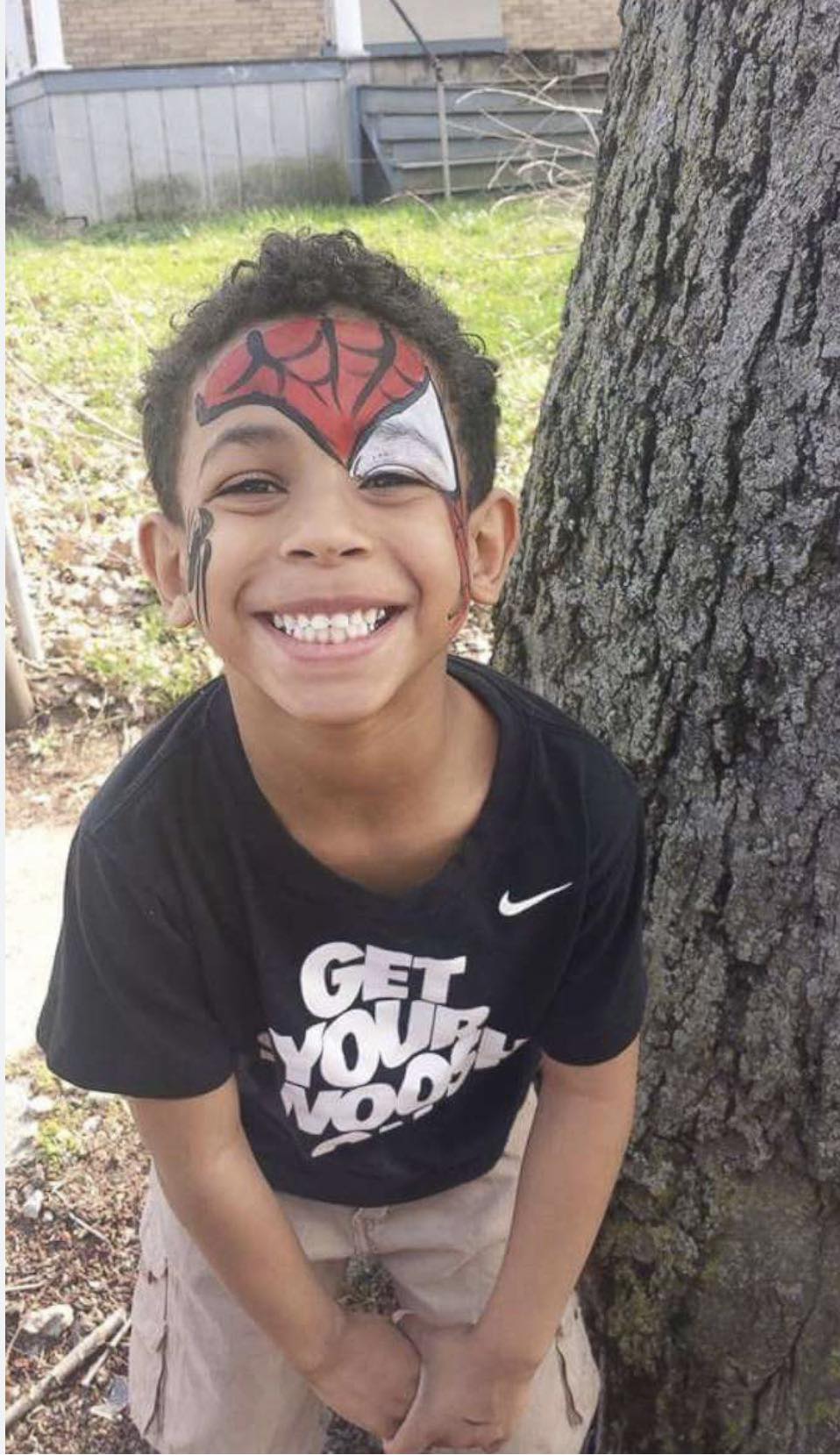
💔 “A Preventable Tragedy”: The Death of 8-Year-Old Gabriel Taye and Questions of School Safety
In January 2017, the death of 8-year-old Gabriel Taye in Cincinnati, Ohio, drew national attention and sparked widespread concern about bullying, school supervision, and student safety.
Gabriel, a student at Carson Elementary School, was reported by his family to have experienced ongoing bullying prior to his death. According to later investigations and accounts, these experiences were frequent and deeply distressing for the young child.
A particularly troubling incident occurred just two days before his death, captured on school surveillance footage. The video reportedly showed Gabriel being violently pushed in a school bathroom, causing him to fall and lose consciousness. The footage further revealed that he remained on the ground for several minutes while other students passed by. Some accounts indicate that he was mocked during this time, and no immediate adult intervention is visible in that moment.
Following the incident, Gabriel’s family stated that school officials did not fully disclose the severity of what had happened. They were reportedly informed that Gabriel had fainted, without being given the full context of the events captured on video.
In the days that followed, Gabriel was allegedly subjected to further bullying. On January 26, 2017, he died by suicide at his home.
His death prompted intense public reaction, raising questions about how bullying incidents are identified, reported, and addressed within school systems. It also led to legal action and calls for greater accountability regarding supervision and student welfare.
The case became part of a broader national discussion about the emotional and psychological impact of bullying on children. Experts and advocates emphasized that bullying is not only a disciplinary issue, but also a serious mental health concern that can have lasting consequences if not addressed early and effectively.
Gabriel Taye’s story has since been cited in conversations about improving school response protocols, ensuring transparency with families, and strengthening protections for vulnerable students. It also highlighted the importance of bystander intervention and the responsibility of both adults and students in creating safer environments.
Beyond the legal and institutional implications, Gabriel’s story remains deeply human—a reminder of a child who needed protection, understanding, and care.
His death continues to serve as a call for awareness, compassion, and action to ensure that no child feels unseen, unheard, or alone in their suffering. 💔🕊️