Nature’s Master of Disguise: The Incredible Wrap-Around Spider
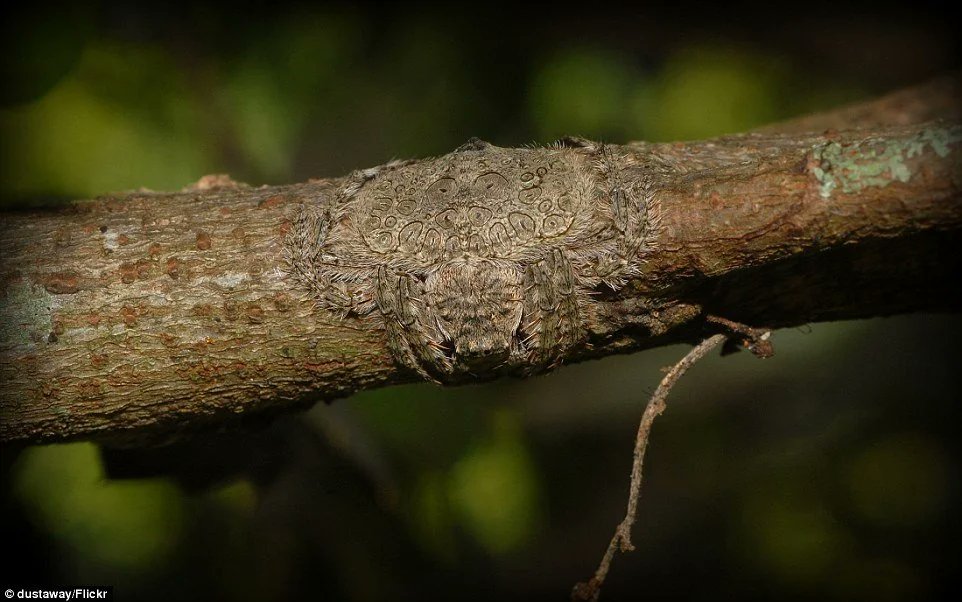
In the forests and woodlands of Australia, a tiny arachnid has perfected one of the most impressive camouflage techniques in the animal kingdom. Known as the wrap-around spider, members of the genus Dolophones (with species such as Dolophones conifera) can flatten and curve their bodies so perfectly around tree branches that they become almost invisible to predators and passersby alike.
These small spiders, with females reaching about 9 mm in length, possess a uniquely shaped abdomen resembling an inverted dish or series of oval discs. This concave structure, combined with their fuzzy texture and bark-like coloration—often featuring leopard-like patterns—allows them to hug the exact curve of a twig or branch. When resting during the day, they press themselves tightly against the bark, blending seamlessly with the texture, cracks, and mossy surfaces of the wood. From a short distance, they appear as nothing more than a harmless knot or bulge on the tree.

This remarkable adaptation, a form of crypsis or masquerade, helps protect them from sharp-eyed birds and other predators while they remain motionless for hours. At night, the spiders become active, leaving their hiding spots to spin orb webs between trees in search of prey.
“Wrap-around spiders demonstrate how evolution can produce extraordinary survival strategies,” noted one arachnologist. “Their ability to adjust posture and perfectly match the branch’s contour is a masterclass in natural camouflage.”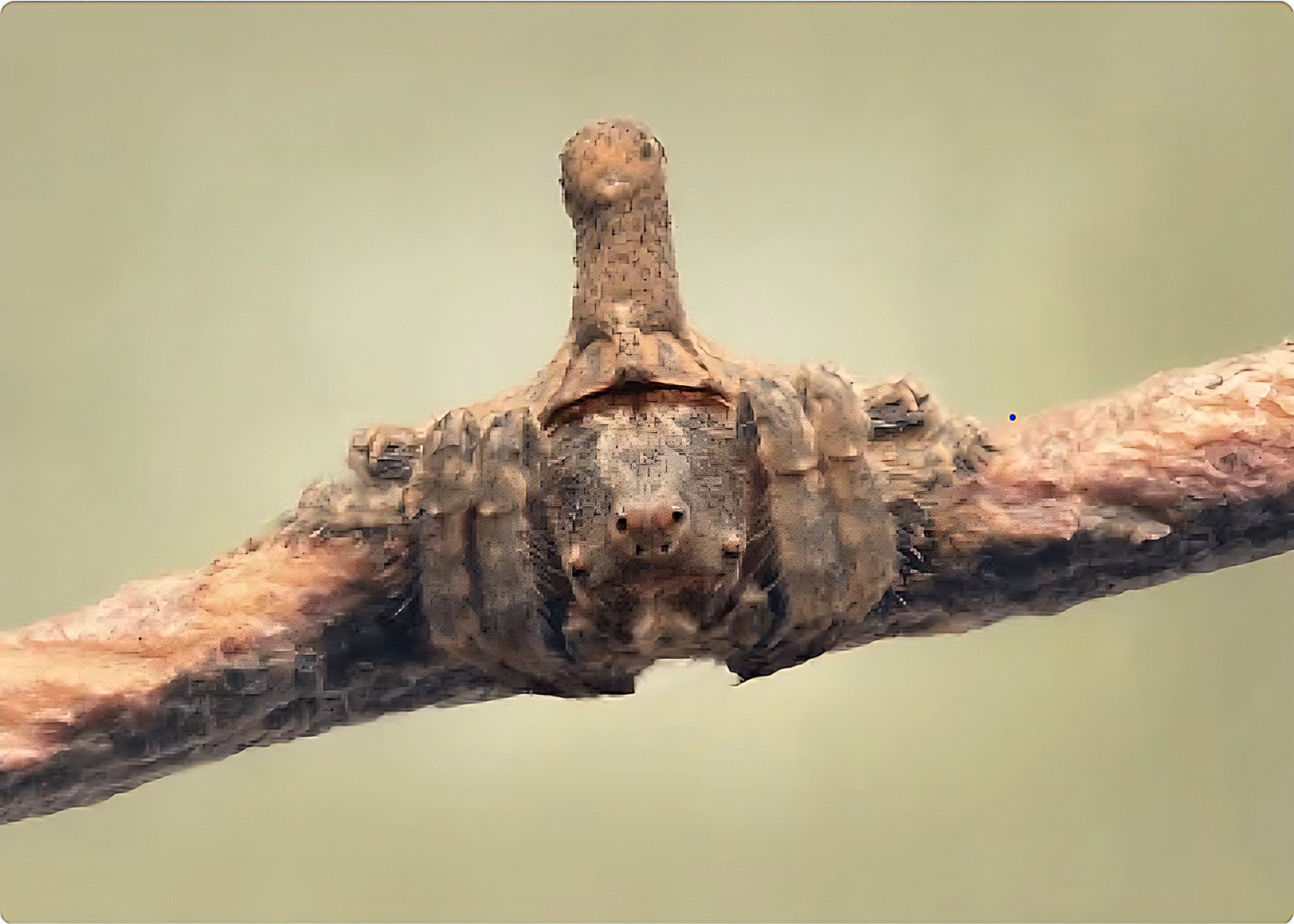
Found primarily across Australia and parts of Oceania, these elusive spiders remind us of the hidden wonders thriving right under our noses in the wild. Their survival trick highlights the incredible diversity and ingenuity of the arachnid world, where blending in can mean the difference between life and death.