How Cats Experience the World
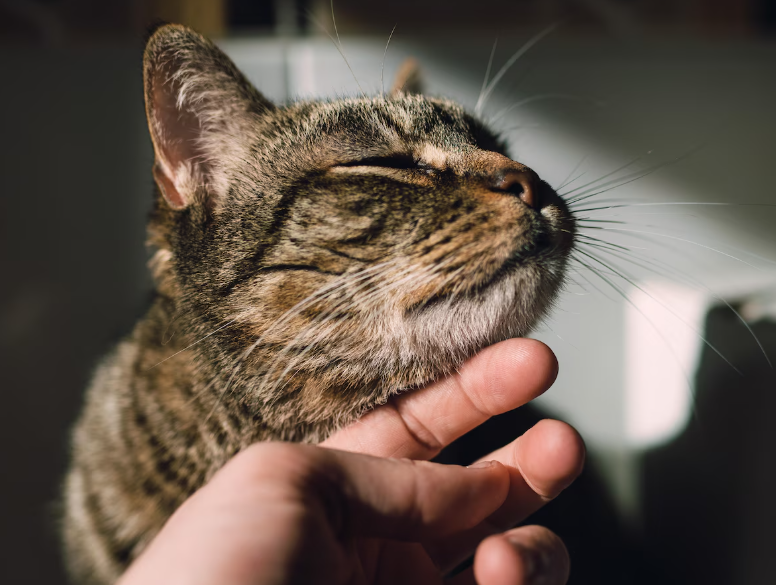
Cats share the same five senses as humans—sight, sound, smell, taste, and touch—but they perceive the world in strikingly different and often superior ways. Understanding these differences can help us become better cat owners and build stronger bonds with our feline companions.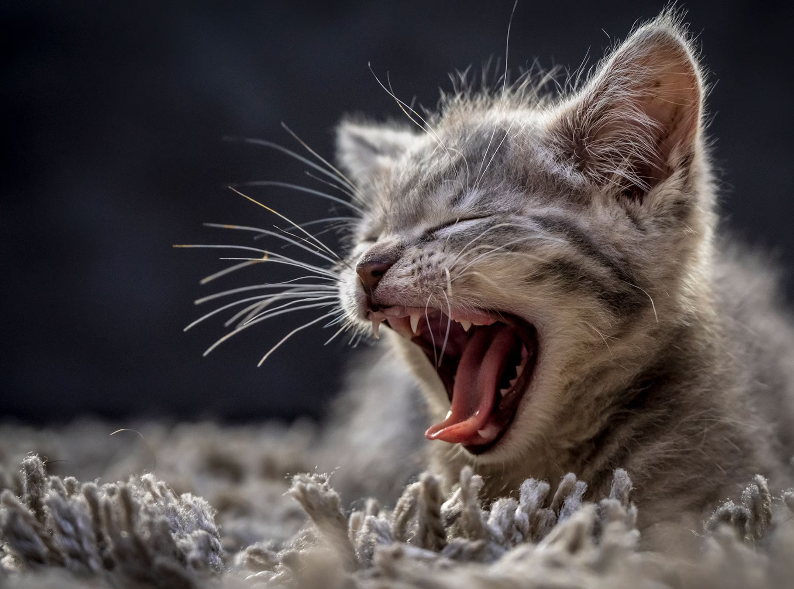
Sight: Cats are crepuscular hunters, most active at dawn and dusk. Their large, dome-shaped corneas and vertical slit pupils expand dramatically in low light, while a reflective tapetum lucidum layer boosts night vision. They see better in dim conditions than humans but perceive fewer colors and less detail, relying more on motion detection. Peripheral vision is excellent.
Sound: A cat’s mobile, triangular ears act like satellite dishes, rotating 180 degrees independently to pinpoint sounds within inches in a fraction of a second. They detect subtle tone differences and ultrasonic frequencies far beyond human or even dog hearing. Research shows cats prefer music designed with purring and suckling-like sounds over human compositions.
Smell: Fully developed at birth, a cat’s sense of smell is roughly 14 times stronger than ours, with up to 200 million scent receptors. They also use the Jacobson’s organ via the Flehmen response (curling the upper lip) to analyze pheromones and social cues.
Touch: Long, thick whiskers (vibrissae) function like sensitive fingertips, detecting air currents to navigate tight spaces and locate prey, compensating for poorer close-up vision.
By appreciating how cats navigate their twilight world, we can create more harmonious homes for them.