Johnny Depp at 63: Master of Character Transformation and Enduring Cinematic Legacy
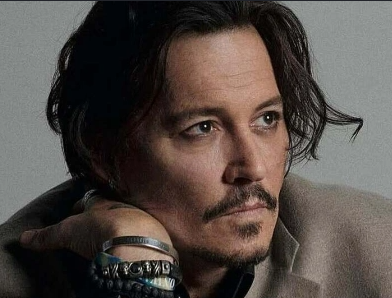
Johnny Depp reaches the age of 63 on June 9, embodying one of the most distinctive and transformative careers in modern Hollywood. Born John Christopher Depp II on June 9, 1963, in Owensboro, Kentucky, Depp has spent more than four decades crafting characters that live long in the collective imagination of audiences worldwide. From his early days as a teen heartthrob in the 1980s television series “21 Jump Street” to his evolution into one of cinema’s most chameleonic performers, Depp has consistently chosen roles that challenge conventional stardom and prioritize artistic immersion over commercial predictability.
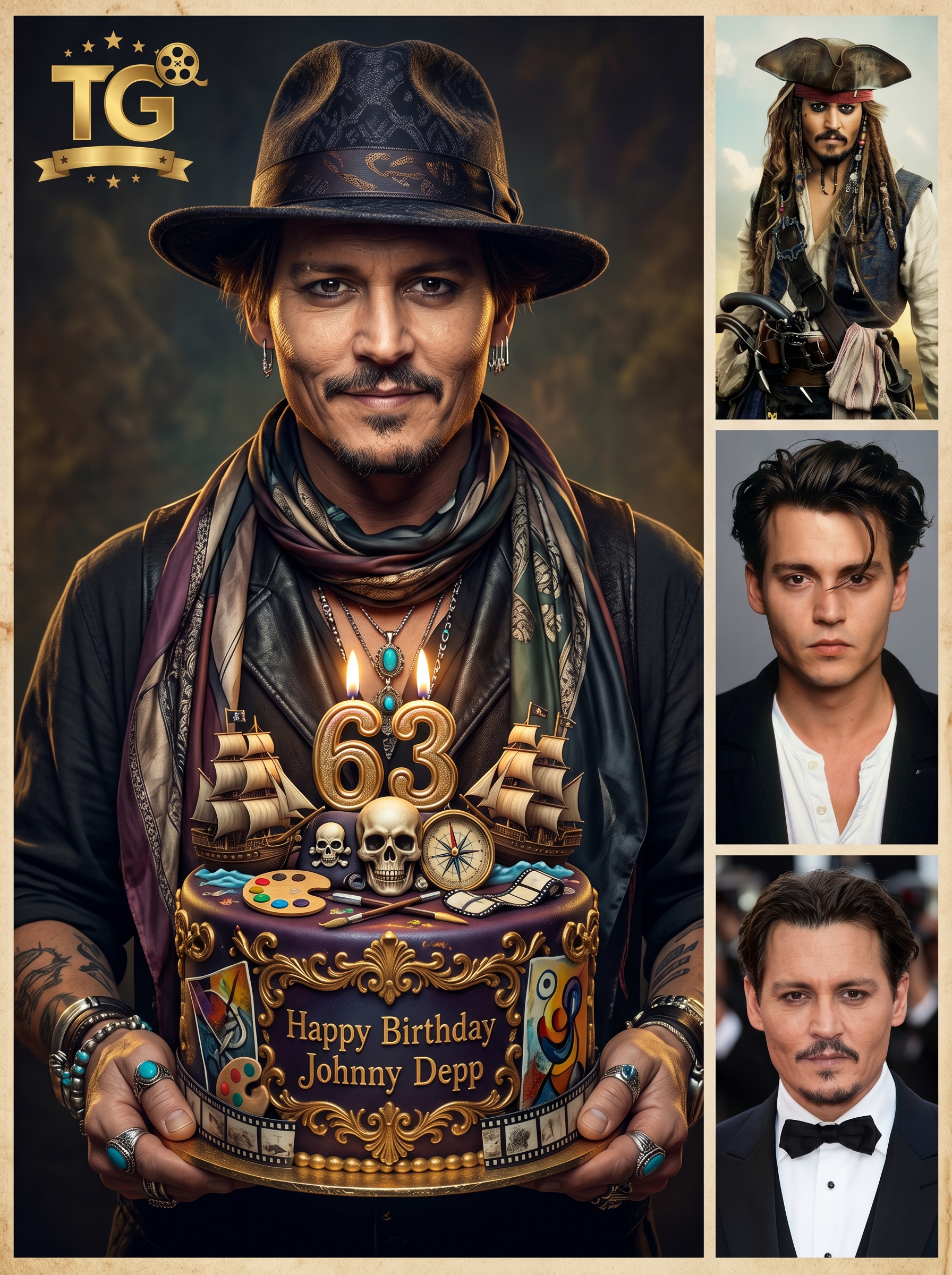
His breakthrough in Tim Burton’s “Edward Scissorhands” (1990) introduced the world to a sensitive, gothic outsider — a character that blended innocence, tragedy, and visual poetry. This collaboration with Burton would span multiple films, including “Ed Wood,” “Sleepy Hollow,” and “Sweeney Todd: The Demon Barber of Fleet Street,” the latter earning Depp a Golden Globe for his haunting portrayal of the vengeful barber. Yet it was the “Pirates of the Caribbean” franchise, beginning in 2003, that catapulted him to global superstardom. His eccentric, flamboyant Captain Jack Sparrow became a cultural phenomenon — a performance built on physical comedy, slurred speech patterns, and unpredictable energy that Depp famously developed by studying rock legends like Keith Richards. The role not only redefined pirate mythology for a new generation but also demonstrated Depp’s rare ability to create characters so vivid they transcend the films themselves.
Throughout his career, Depp has shown remarkable versatility. In “Donnie Brasco,” he delivered a subtle, understated performance as an undercover FBI agent. In “Fear and Loathing in Las Vegas,” he fully embodied the chaotic energy of Hunter S. Thompson’s alter ego. “What’s Eating Gilbert Grape,” “Dead Man,” “Blow,” “Finding Neverland,” and “The Libertine” further showcased his commitment to complex, often flawed protagonists. His willingness to physically and emotionally transform — whether through heavy prosthetics, accent work, or psychological depth — has set him apart as an actor who disappears into roles rather than dominating them with star power.
Beyond acting, Depp has pursued passions in music, directing, and visual arts. He played guitar in several bands and collaborated with artists like Alice Cooper and Marilyn Manson. His directorial debut, “The Brave,” though not widely seen, revealed an introspective artistic sensibility. Even amid highly publicized personal and legal challenges in recent years, Depp has maintained a dedicated global fan base that appreciates his authenticity and resilience. At 63, he continues to explore new creative territories, reminding audiences that true artistry often lies in the courage to remain unconventional. His body of work stands as a testament to the power of imagination, commitment to craft, and the enduring appeal of characters who refuse to fit neatly into molds. Johnny Depp’s legacy is not merely one of fame but of profound influence on how stories and personas are crafted in contemporary cinema.