“She Lost Her Legs to a Tampon—Then Came Back to Redefine Strength”
- SaoMai
- May 11, 2026
“She Lost Her Legs to a Tampon—Then Came Back to Redefine Strength”
Lauren Wasser was only 24 years old when her life changed in a way no one could have imagined.
At the time, she was living what looked like a dream. A rising model with a growing career, a full future ahead of her, and a life moving fast in all the right directions. Nothing about her day suggested it would become a fight for survival.
But everything shifted after she became seriously ill from toxic shock syndrome, a rare but life-threatening condition linked in her case to tampon use.
One night, she went to bed feeling unwell. By the time she was discovered during a welfare check, her condition had spiraled far beyond anything she could have controlled. She had a dangerously high fever, her organs were beginning to fail, and she had already suffered a heart attack. Doctors later said her chances of survival were less than one percent.
She survived—but the aftermath was devastating.
 The infection caused severe complications, including gangrene. To save her life, doctors amputated her right leg below the knee. It was a decision made in crisis, one that changed everything about how she would move through the world.
But Lauren’s battle didn’t end there.
Years later, after living with ongoing pain and complications, she made another deeply difficult decision: to have her left leg amputated as well. It was not a surrender, but a choice for relief, stability, and the possibility of a better quality of life.
In a situation that might have ended many careers and public lives, Lauren chose something different.
She came back.
Not quietly, and not out of sight—but visibly, powerfully, and on her own terms.
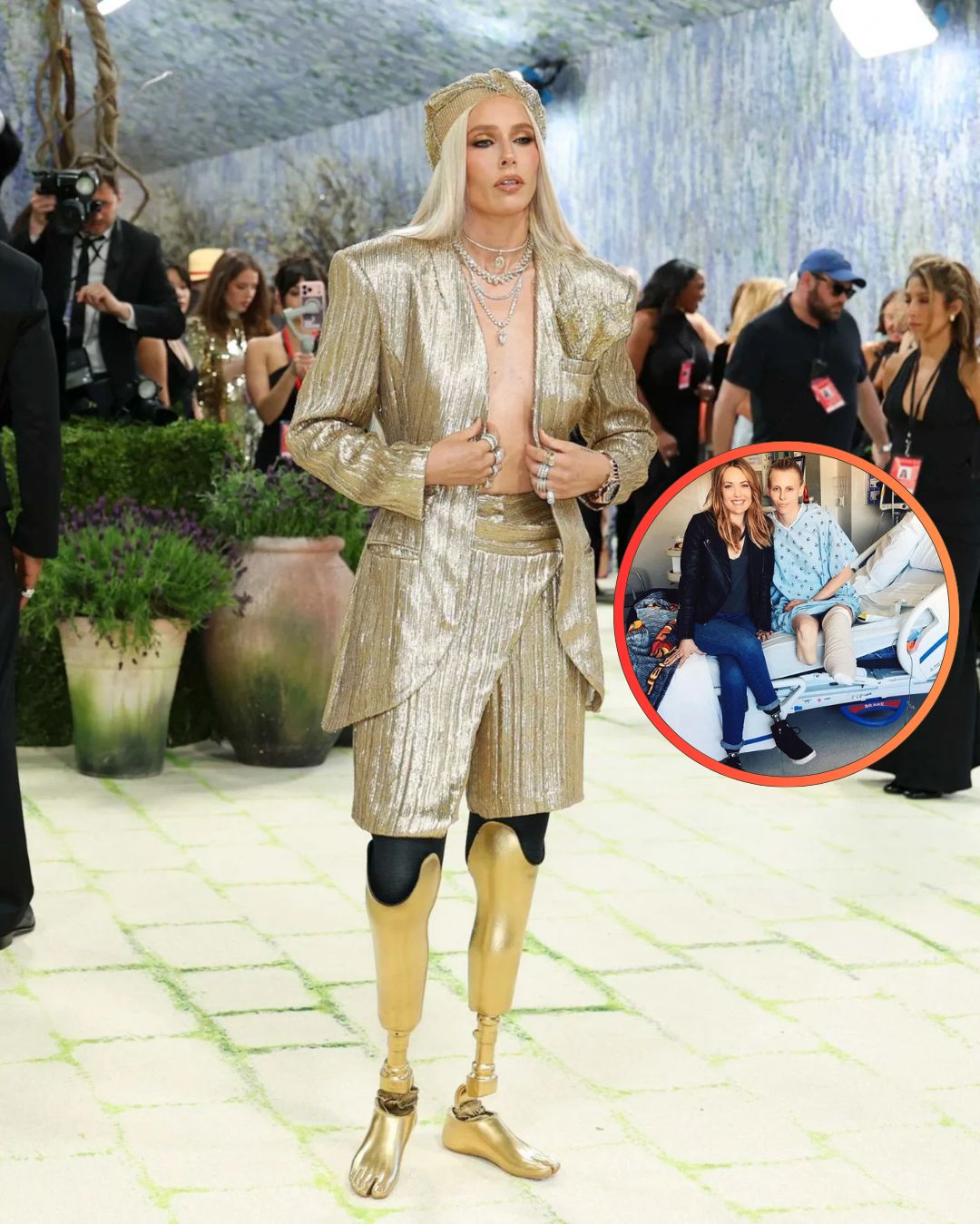
With gold prosthetic legs, she returned to the runway. She walked for major fashion houses like Louis Vuitton, appeared in Sports Illustrated Swimsuit, and later attended the 2026 Met Gala, stepping into spaces where she had once been a rising star and now stood as a symbol of survival and reinvention.
But beyond fashion and appearances, Lauren Wasser transformed her experience into advocacy.
She became one of the most prominent voices calling attention to toxic shock syndrome and menstrual product safety. Her work now focuses on raising awareness and pushing for legislative change, including support for the Robin Danielson Act, a proposed U.S. bill that would require tampon manufacturers to disclose chemical ingredients in their products.
Her message is direct and urgent: this is not a past danger—it is still happening.
Lauren’s story is not only about what she endured, but what she chose to do afterward. Rather than disappearing after trauma, she stepped forward into a role that uses her voice, her platform, and her visibility to demand accountability and awareness.
It is a reminder that survival is only part of the story.
What comes after—how someone rebuilds, speaks, and continues—is where true strength often reveals itself.