
Woman, 21, Faces Double Amputation After Years-Long Battle With Mysterious and Debilitating Illness
Woman, 21, Faces Double Amputation After Years-Long Battle With Mysterious and Debilitating Illness
Megan Dixon, now 21, is facing an extraordinary and heartbreaking medical journey after nearly a decade of severe, unexplained illness that has left her with life-altering disabilities and no clear diagnosis.
Her symptoms began at the age of 13, when she first started feeling unwell. By 14, her condition rapidly deteriorated to the point where she was unable to walk. Over the following years, her health declined dramatically. She experienced paralysis, loss of vision, inability to speak, and difficulty swallowing, ultimately requiring a feeding tube to sustain her life.
At the height of her illness, Megan suffered up to 50 seizures per day. Her condition was so severe that medical professionals warned her family to prepare for the worst. Despite these predictions, she survived, though her life was permanently changed.
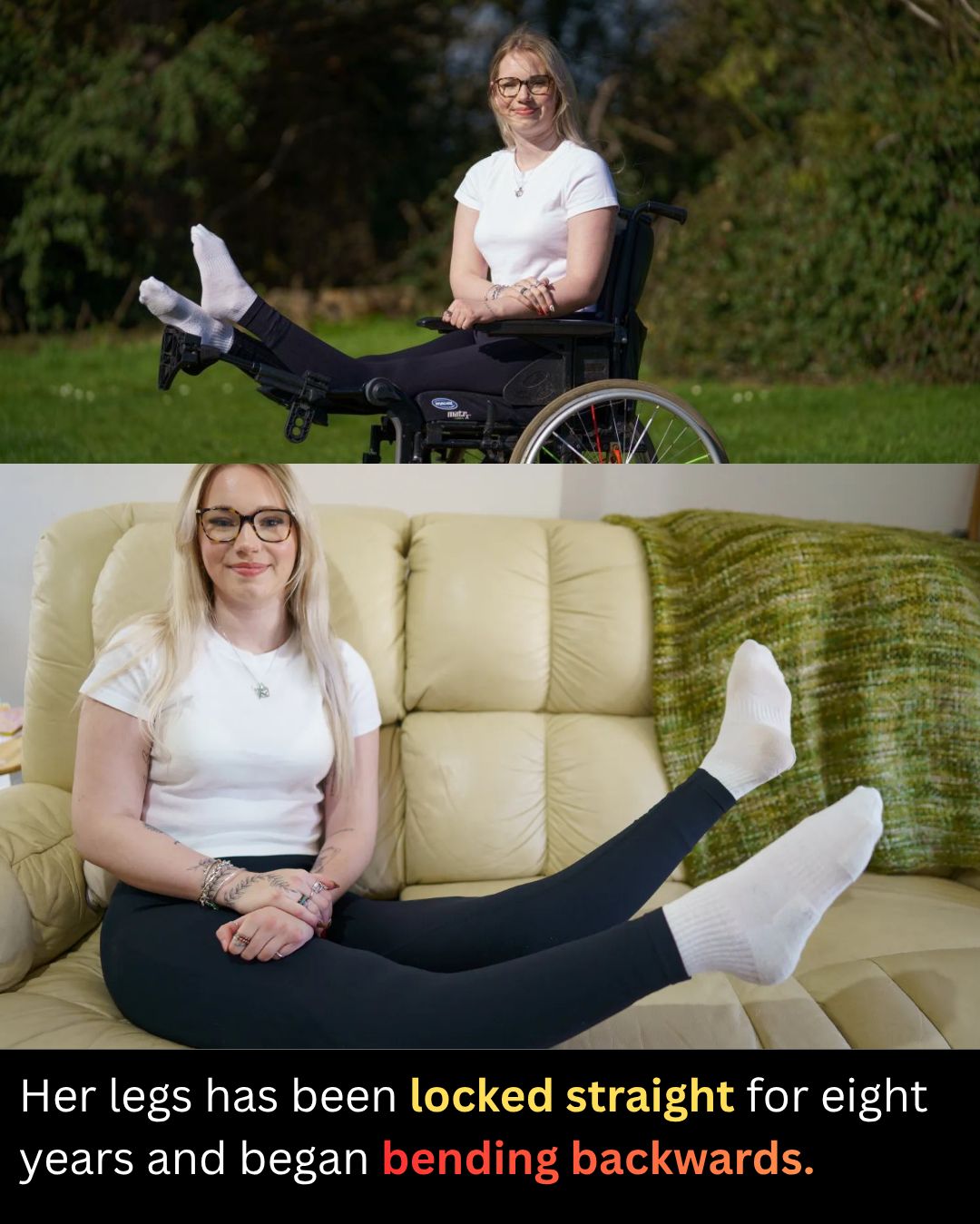
 For years, Megan remained in a severely debilitated state. She reports that her legs became rigid and extended for approximately eight years, but more recently began to deform further, bending backwards at an estimated 45-degree angle. The progression of this condition has resulted in constant, severe pain and increasing loss of independence. She is no longer able to perform basic daily tasks without assistance, including using the bathroom, and spends much of her time confined to bed.
Over the years, Megan has consulted with six surgeons. According to her account, each specialist declined to operate, not due to unwillingness, but because the complexity and unknown nature of her condition made intervention too risky or uncertain.
Recently, a seventh surgeon agreed to proceed with surgical intervention. However, the only remaining medical option is the amputation of both legs, scheduled for August 20. The decision represents a last resort after years of deterioration and unsuccessful attempts to find alternative treatments.
Megan’s case has also highlighted limitations in her current care provisions. She has stated that the National Health Service (NHS) can only provide a basic wheelchair, which is insufficient for her complex mobility needs. In response, she has launched a crowdfunding campaign to raise funds for a properly fitted electric wheelchair, which she hopes will provide her with greater independence and quality of life.
Despite her circumstances, Megan has shared a message of awareness and resilience, urging others to trust their instincts when something feels wrong in their body. She reflected on her experience, stating that years of being dismissed contributed to her condition progressing to a stage where drastic surgical intervention is now the only remaining option.
Her story has drawn attention for its rarity, severity, and the emotional toll of living with an undiagnosed or poorly understood condition. While her future remains uncertain, Megan’s journey continues to resonate as a powerful example of endurance in the face of overwhelming medical challenges.