Starving Giants: Why Gray Whales Are Washing Up Dead on Pacific Beaches
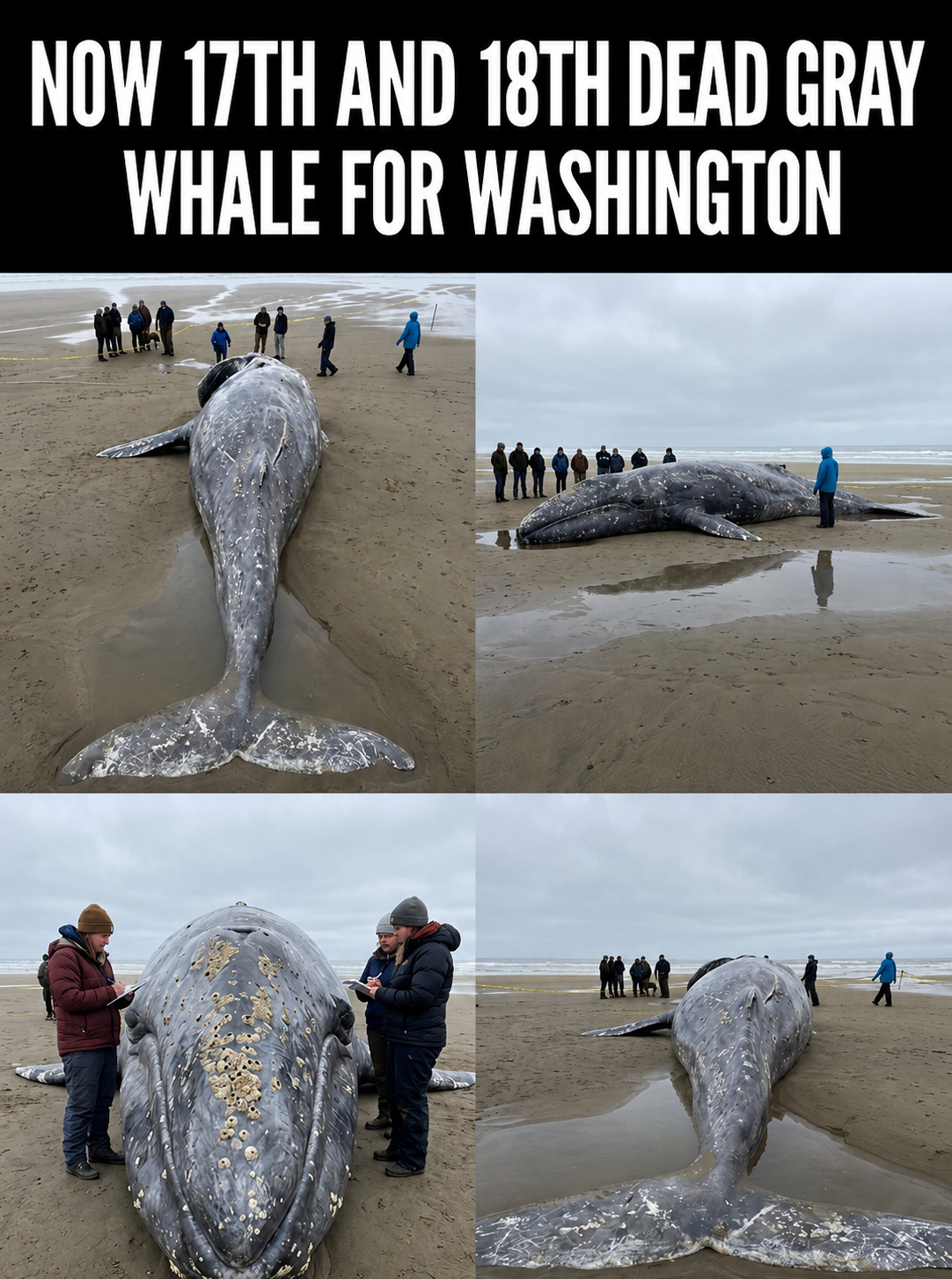
Washington Coast — A heartbreaking ecological crisis is unfolding along the Pacific Northwest. By early May, the Cascadia Research Collective has confirmed 18 gray whales have stranded and died in Washington state alone — 15 males and 3 females.
These majestic ocean wanderers, known for their incredible resilience and epic migrations, are literally starving to death.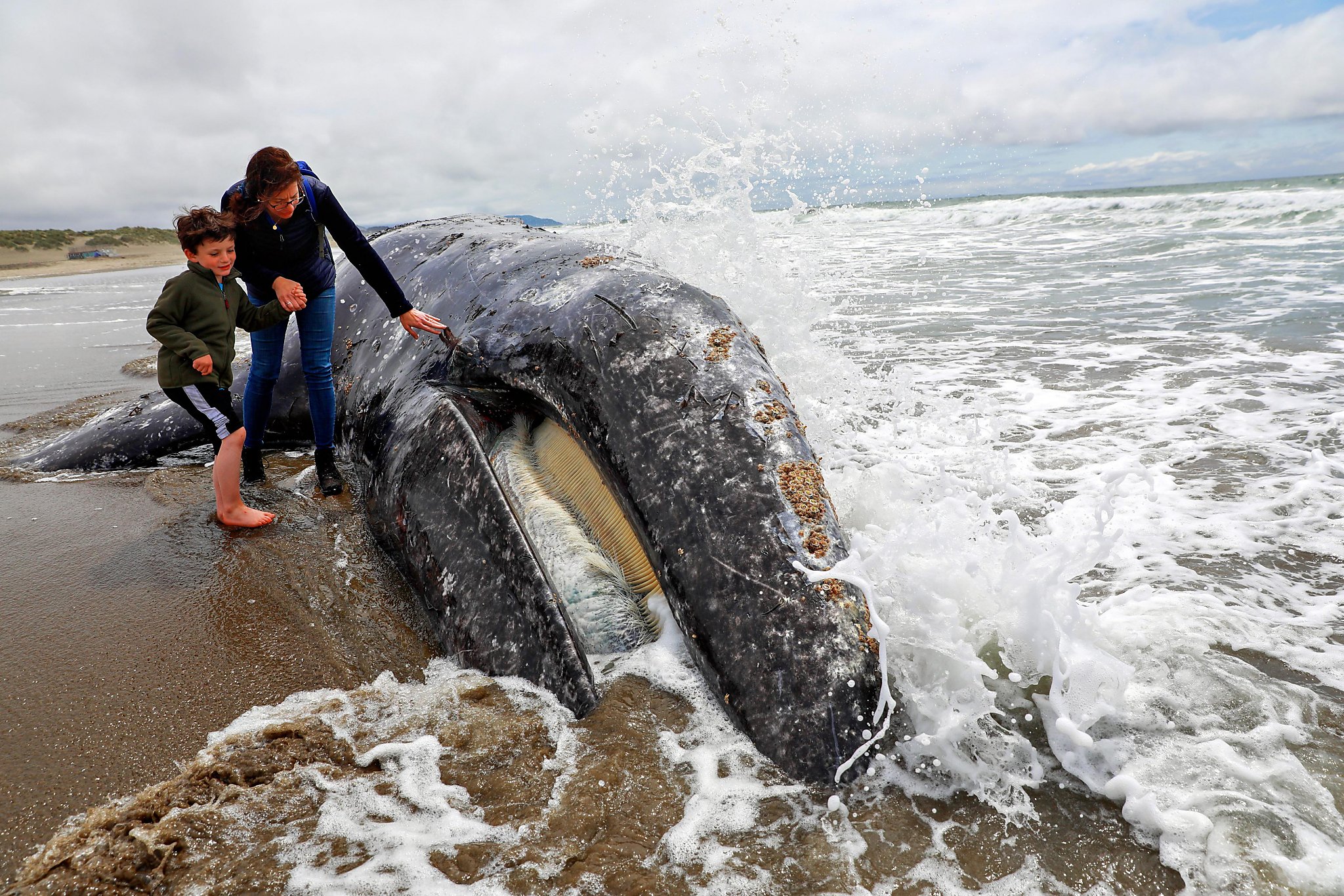
The tragedy traces back thousands of miles to the Arctic, where gray whales spend their summers feeding. Unlike other baleen whales, gray whales are primarily bottom feeders. They dive to the seafloor, scoop up huge mouthfuls of mud, and filter out tiny crustaceans called amphipods — their critical summer food source.
But warming ocean temperatures and the dramatic loss of Arctic sea ice have devastated this delicate ecosystem. The amphipod populations have crashed, leaving the whales unable to build the thick layers of blubber they desperately need.
Every year, gray whales undertake one of the longest migrations on Earth — a grueling 12,000-mile round trip from the Arctic feeding grounds to the warm lagoons of Mexico and back. During much of this journey, they fast, surviving entirely on stored fat.
By the time they reach Washington waters in late spring, many have gone more than six months without a solid meal. If their Arctic feeding season was poor, this is exactly where their energy reserves run out. Emaciated and exhausted, they cannot complete the journey home.
Each stranded whale provides scientists with vital clues about the health of the population and the rapidly changing ocean. Marine biologists are closely monitoring this disturbing trend, which reflects broader impacts of climate change on the marine food web.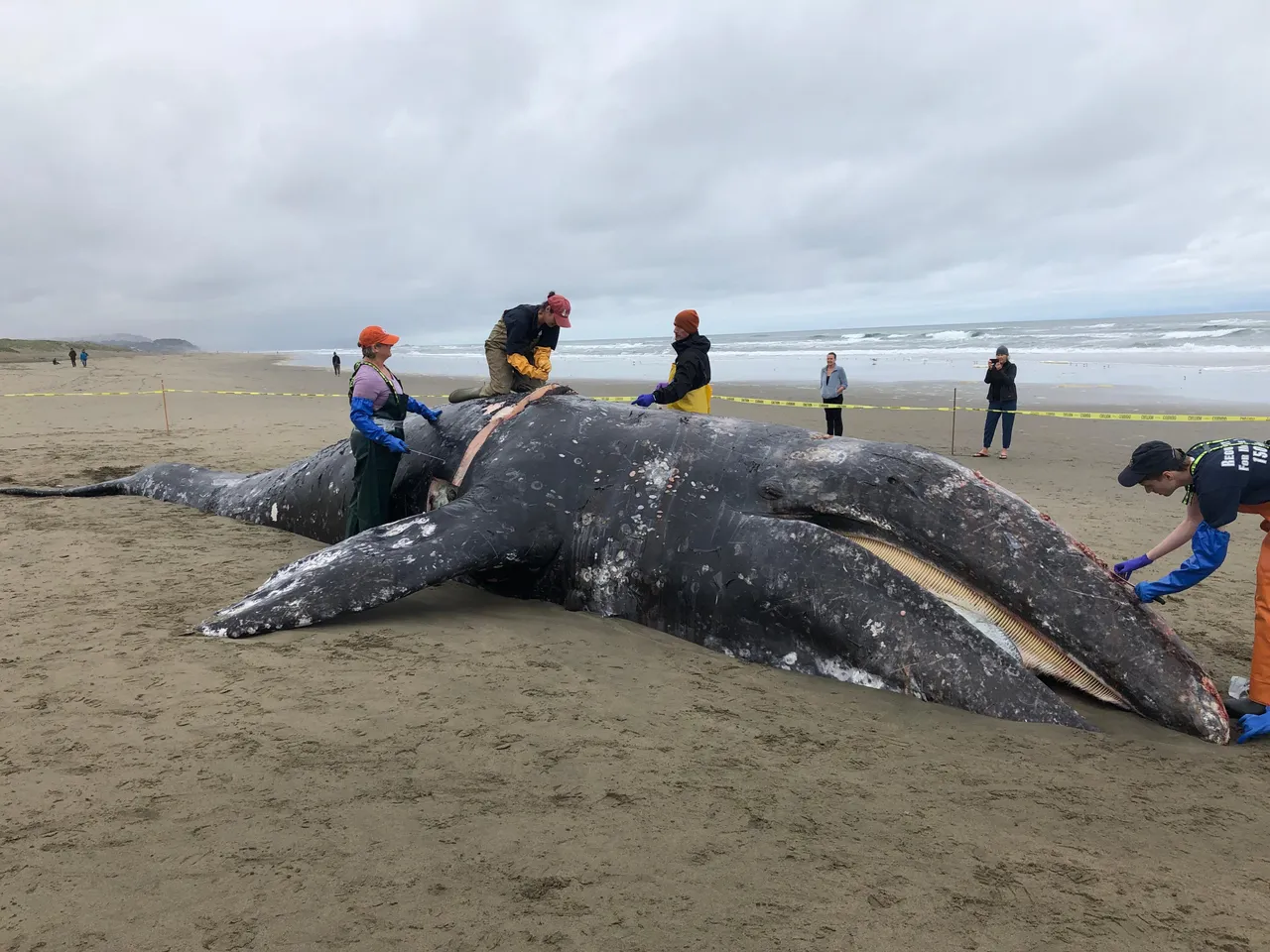
If you find a stranded whale or marine mammal:
- Keep your distance and do not touch or disturb the animal
- Contact local wildlife authorities or stranding networks immediately
- Allow researchers safe access to gather important data
These gentle giants have survived ice ages and countless challenges over millions of years. Now they face a threat unlike any before — a changing ocean that no longer provides the food they need to complete their ancient journey.
Every lost whale is a sobering reminder that what happens in the Arctic doesn’t stay in the Arctic. The impacts are washing up on our shores.
Our hearts ache for these magnificent animals. May their suffering awaken greater urgency to protect the fragile ecosystems they — and we — depend on.