Update May 22, 2026: Federal Case Against Washington Man Who Threw Rock at Famous Hawaiian Monk Seal Lani in Lahaina Continues
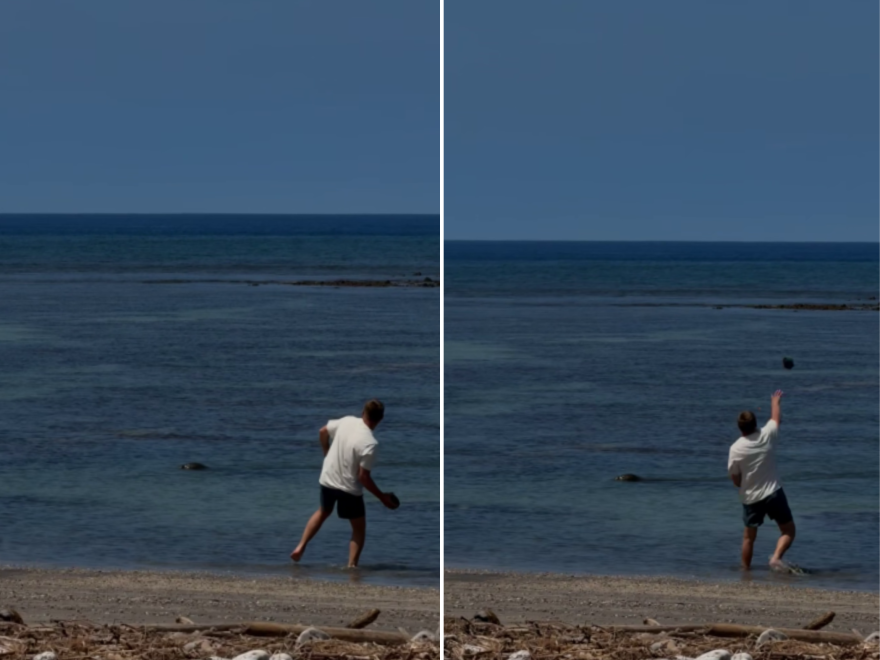
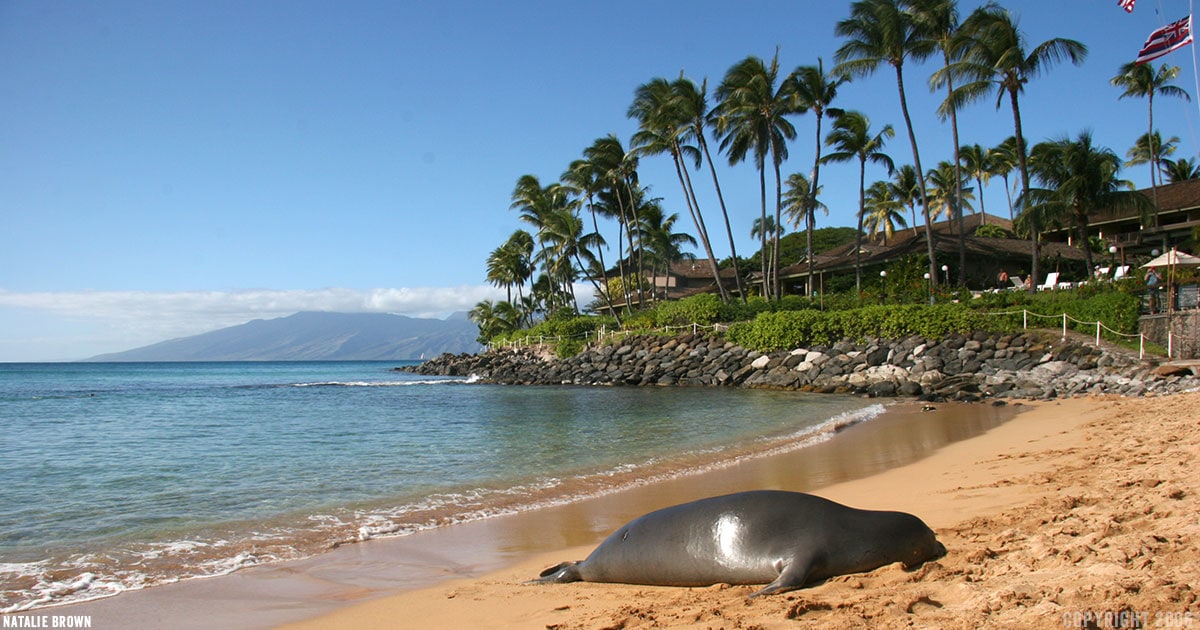
Lahaina, Maui, Hawaii — The shocking incident involving a tourist throwing a large rock at Lani, a beloved and well-known Hawaiian monk seal that has been a fixture in Lahaina for over 20 years, continues to draw widespread international attention and outrage from animal lovers worldwide.
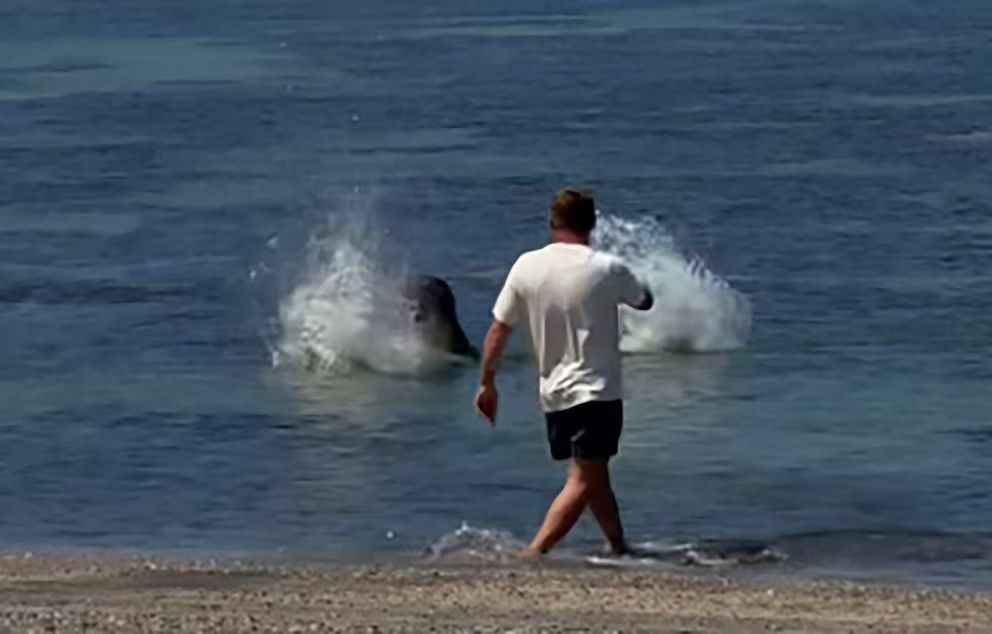
Igor Mykhaylovych Lytvynchuk, 38, of Covington, Washington, faces federal criminal charges for allegedly deliberately hurling a rock at the endangered marine mammal on May 5, 2026.
Incident Details
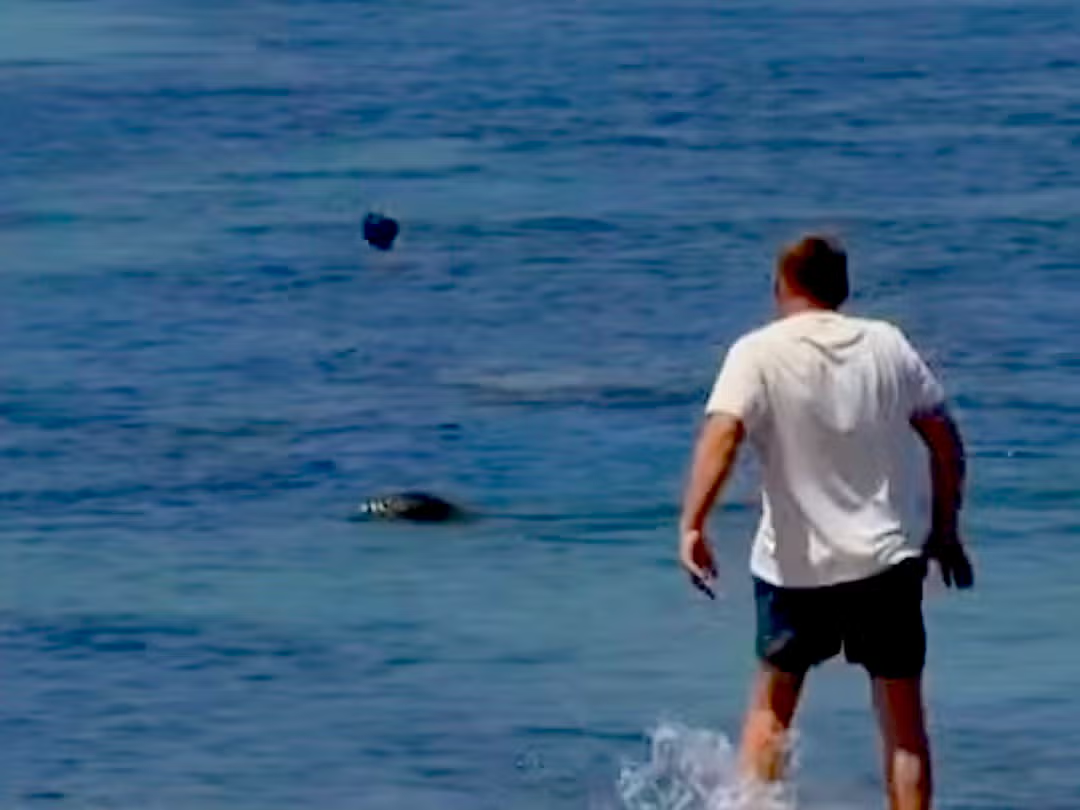
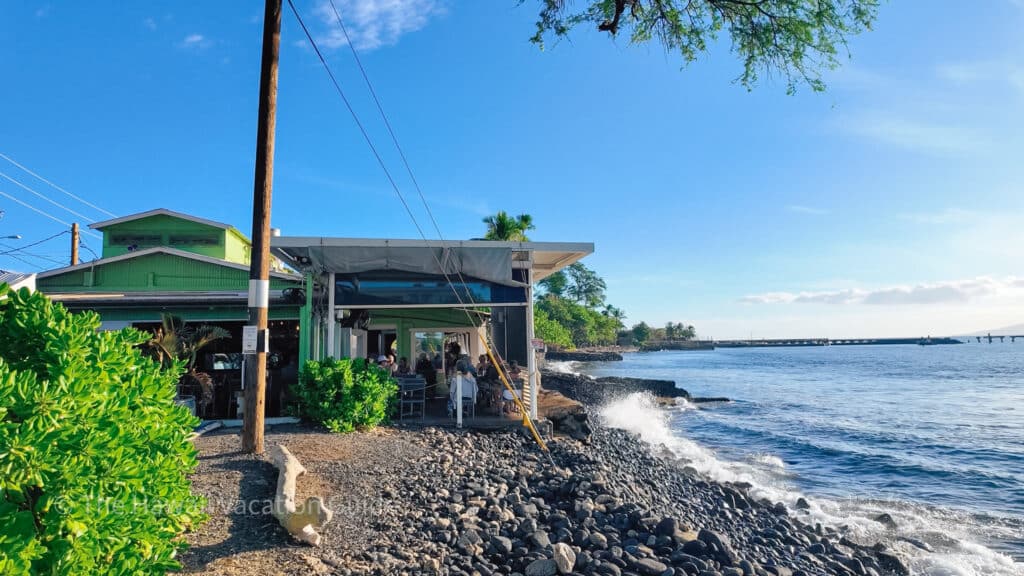
On the afternoon of May 5, 2026, at Front Street Beach in Lahaina, Maui, Lytvynchuk was captured on video picking up a large rock (approximately the size of a coconut) and throwing it directly toward Lani’s head while the seal was playing near the shoreline. The rock narrowly missed the seal, causing Lani to startle and swim away in distress.
Multiple eyewitnesses reported that Lytvynchuk became irritated by the seal swimming close to him. When bystanders confronted him about his actions, he reportedly replied with the now-infamous statement: “I’m rich, I can pay any fine.”
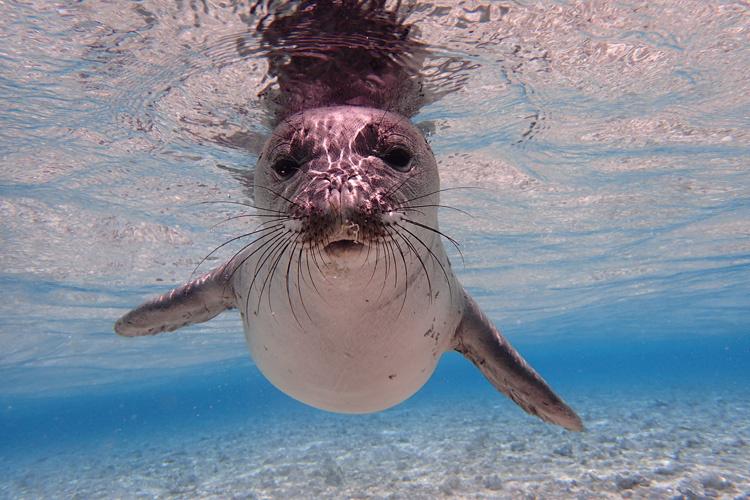
The video of the incident quickly went viral, amassing millions of views across social media platforms and sparking global condemnation.
Legal Proceedings (Latest Update – May 22, 2026)
May 6, 2026: Hawaii’s Department of Land and Natural Resources (DLNR) and Maui Police Department launched an investigation following numerous public complaints and the circulating video.
May 12, 2026: The U.S. Attorney’s Office for the District of Hawaii filed formal criminal charges.
May 13, 2026: NOAA (National Oceanic and Atmospheric Administration) agents arrested Lytvynchuk near Seattle, Washington.
May 14, 2026: Lytvynchuk made his initial court appearance in federal court in Seattle. He was released under conditional supervision, with requirements including surrendering his passport and appearing in court in Honolulu, Hawaii.
Charges Filed:
Violation of the Endangered Species Act (harassing or attempting to harm a protected species).
Violation of the Marine Mammal Protection Act (harassing a protected marine mammal).
Each count carries a maximum penalty of up to 1 year in prison and fines of up to $70,000. If convicted on both counts, he could face up to two years in prison and $140,000 in total fines.
According to his defense attorney, Myles Breiner, Lytvynchuk claims he did not realize Hawaiian monk seals are endangered and believed the seal was bothering two sea turtles resting nearby. He maintains he had no intention of injuring Lani. His next court appearance is scheduled for May 27, 2026, in Honolulu.
Condition of Lani and the Species
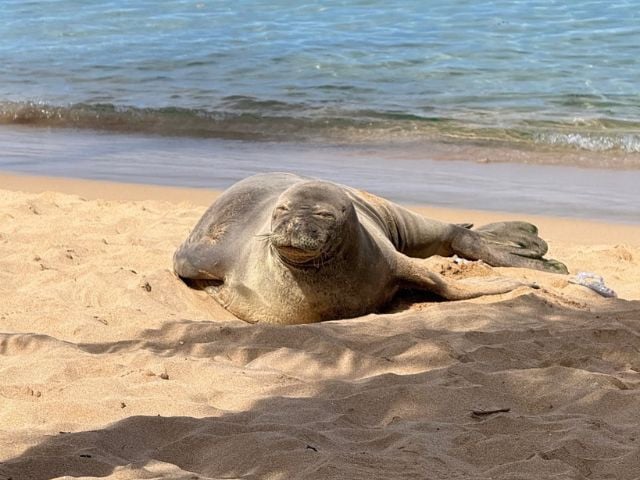
Thankfully, Lani was not physically injured and has since returned to her normal routine in the Lahaina area. She remains one of the most recognizable and beloved monk seals among local residents and visitors.
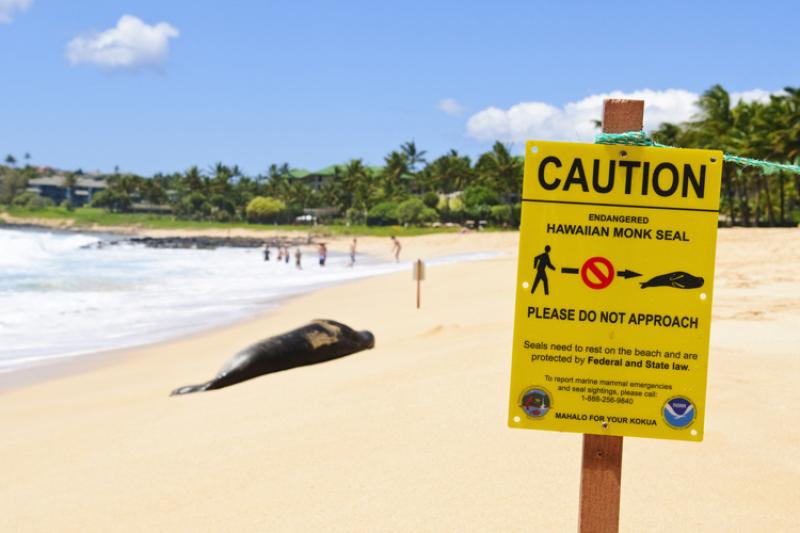
The Hawaiian monk seal (Neomonachus schauinslandi) is one of the most endangered marine mammals in the world. According to the latest 2026 data from NOAA Fisheries:
Global population is approximately 1,600 individuals.
Roughly 1,200 live in the Northwestern Hawaiian Islands (Papahānaumokuākea Marine National Monument).
Around 400 reside in the main Hawaiian Islands.
The species was once on the brink of extinction but has shown slow recovery thanks to intensive conservation efforts by NOAA, local organizations, and volunteers.
Reactions and Broader Implications
The case has prompted strong reactions from conservation groups, local officials, and the public. Maui Mayor Richard Bissen described the incident as unacceptable, emphasizing that monk seals are an important part of Lahaina’s “Ocean Ohana” (ocean family), especially after the devastating 2023 wildfires.
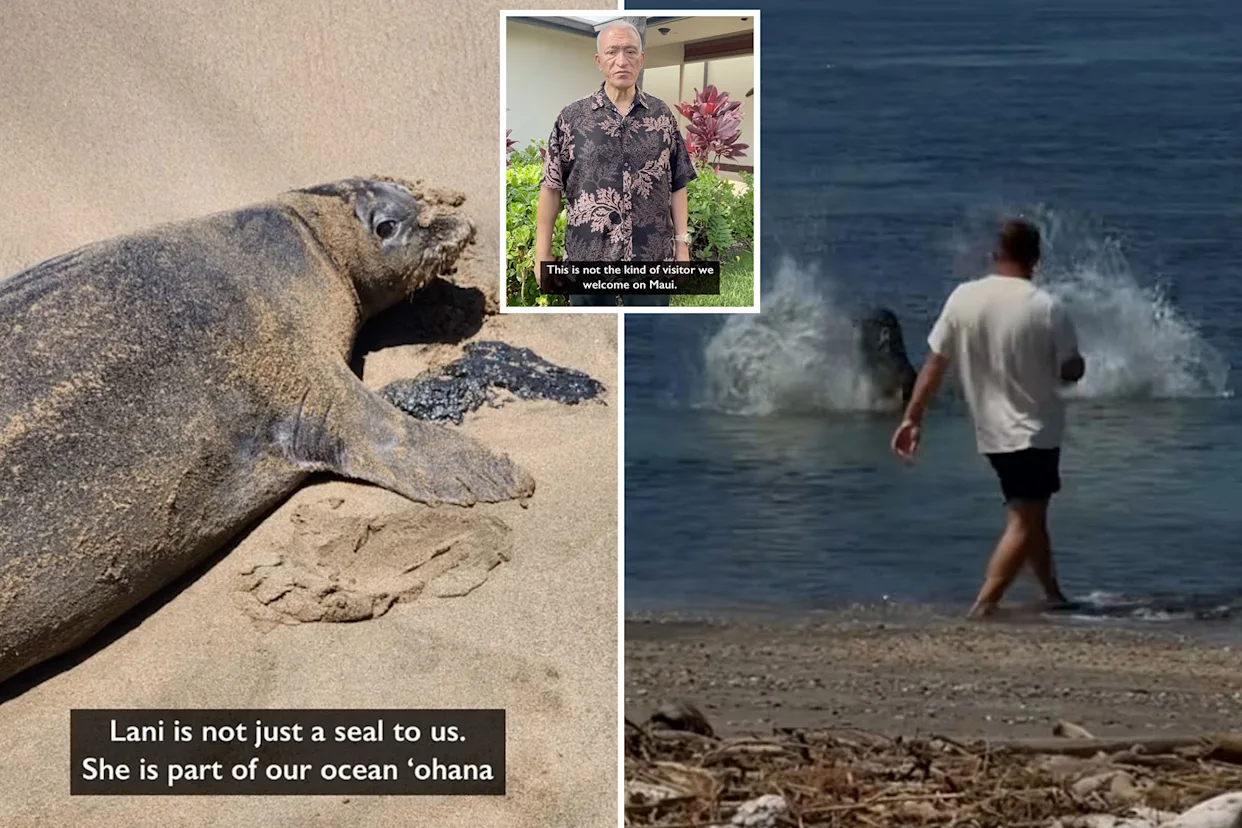
Wildlife protection organizations are calling for stronger public education campaigns for tourists visiting Hawaii. NOAA reminds visitors that approaching, feeding, or harassing monk seals is strictly illegal and can result in serious penalties.
Editorial Note: This incident serves as an important reminder for all visitors to respect Hawaii’s unique wildlife. The simple rule when encountering protected animals is: “Look, but don’t touch or disturb.”