Mystery of the Lake That Turns Any Creature Into a Stone Statue Upon Contact
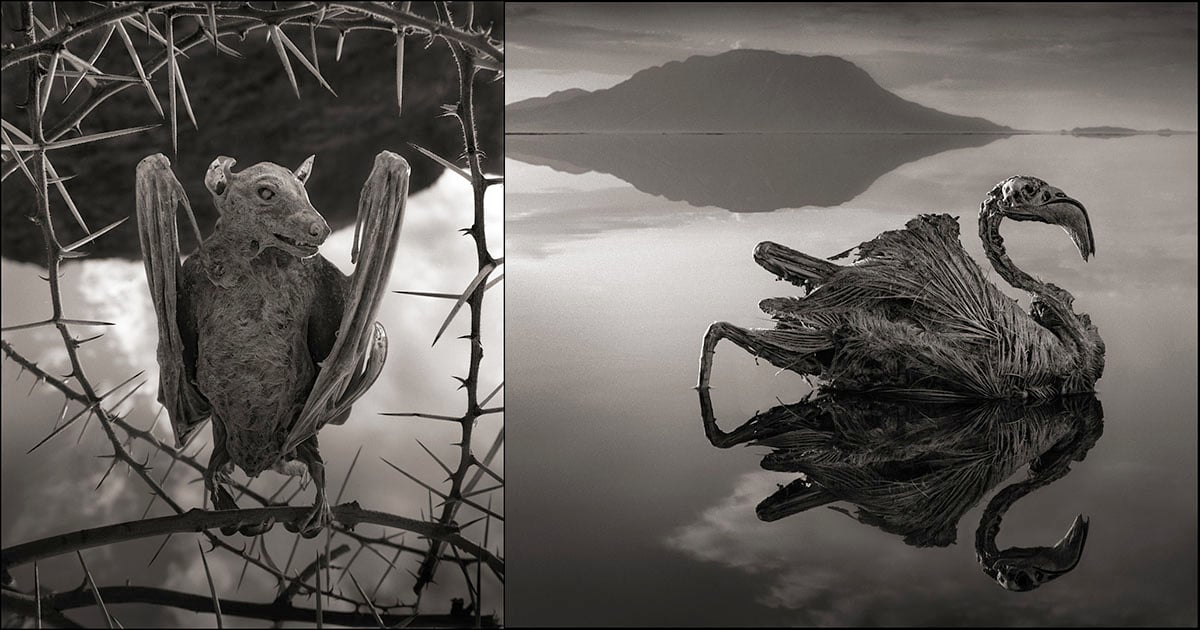
In the remote and harsh highlands of Tanzania, at the base of the active volcano Ol Doinyo Lengai, lies a lake of eerie beauty and deadly danger: Lake Natron. Known as the “Lake of Death” or a “petrified graveyard,” this body of water has the terrifying ability to transform any living creature that touches it into a hardened stone statue, preserving their final pose in a haunting, lifelike manner.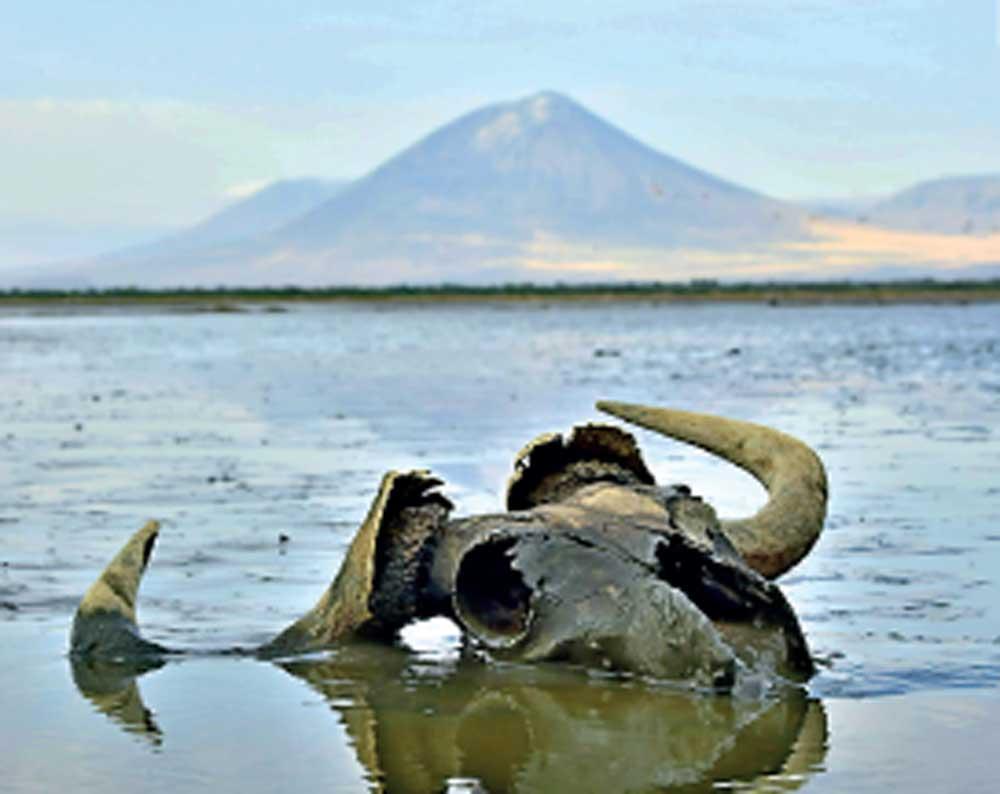
Why Does This Happen?
Lake Natron is unlike any other lake on Earth. From above, its surface glows a deep blood-red color, mixed with patches of brilliant white salt and minerals. While visually stunning, it is extremely lethal.
- The water temperature can reach up to 60°C (140°F).
- Its alkalinity (pH) ranges from 9 to 10.5 — comparable to concentrated ammonia — strong enough to corrode skin and eyes almost instantly.
The name “Natron” comes from a natural mixture of sodium carbonate and sodium bicarbonate. This is the same substance ancient Egyptians used to mummify bodies. When birds or small animals accidentally land on or fall into the lake (often tricked by its mirror-like surface reflecting the sky), the highly concentrated minerals rapidly cover their bodies.
The calcification process happens extremely quickly. The sodium carbonate soaks into the tissues, draws out all moisture, and turns the remains into hard, limestone-like statues. Bones, feathers, and even the animal’s final posture are perfectly preserved, creating eerie natural sculptures along the shoreline.
Famous Documentation
Photographer Nick Brandt brought international attention to Lake Natron through his series Across the Ravaged Land. He discovered calcified remains of kingfishers, eagles, and bats washed up on the shore. To highlight the horror, he positioned these “stone statues” on dead tree branches, making them appear as if they were still watching the world.
A Surprising Paradox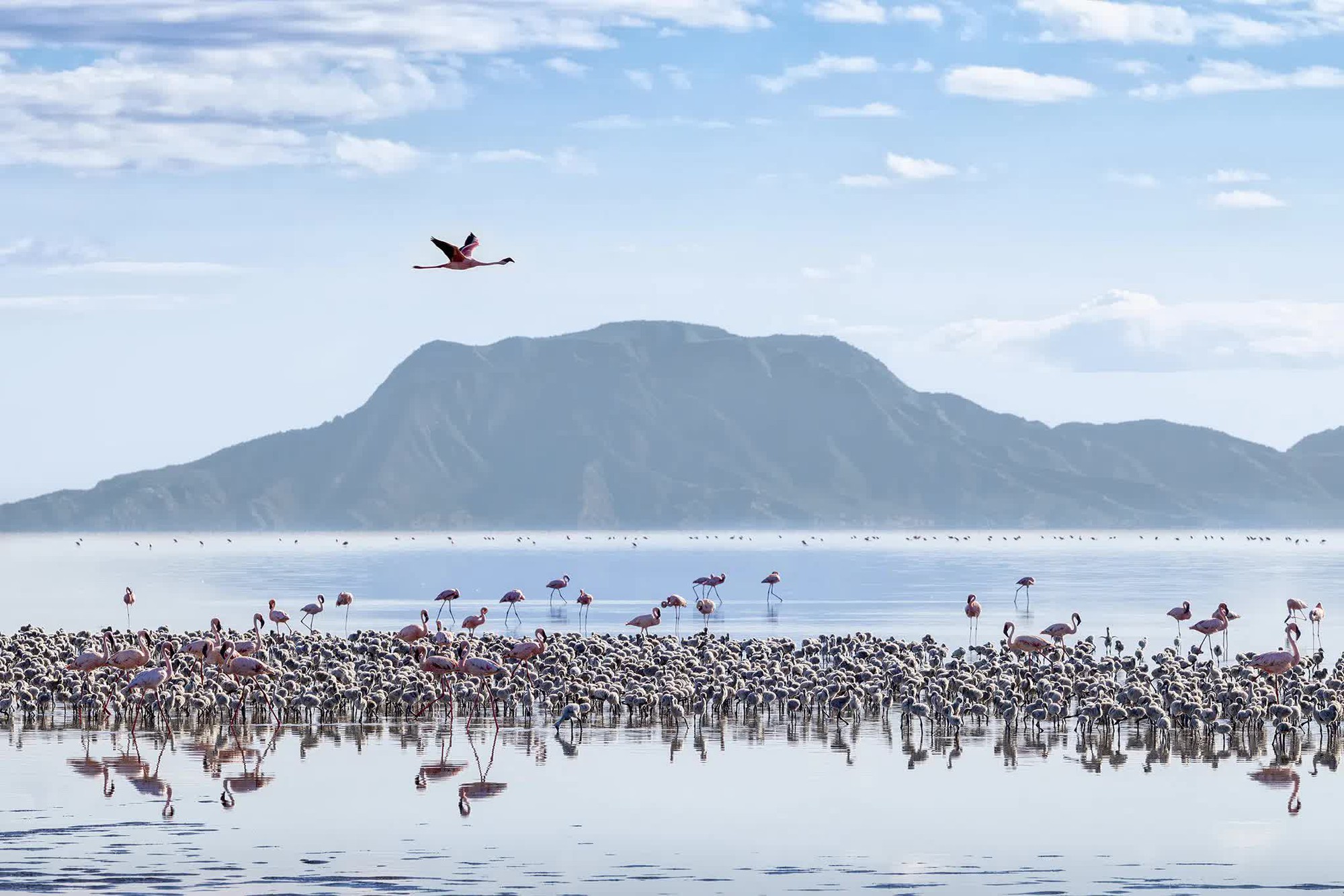
Despite its deadly nature, Lake Natron is not entirely barren. It serves as the most important breeding ground for the Lesser Flamingo. Millions of these birds flock here every year to build nests on salt islands in the middle of the lake.
The toxic, corrosive water acts as a natural protective moat, keeping away predators like hyenas and leopards that cannot survive in the alkaline environment. Flamingos have specially evolved thick leg skin and the ability to filter salty water. They feed on red algae that thrive in the alkaline conditions, which gives their feathers their signature vibrant pink color.