Ohio Family Pushes ‘Dom’s Law’ to Prevent Convicted Violent Offenders from Profiting on Social Media
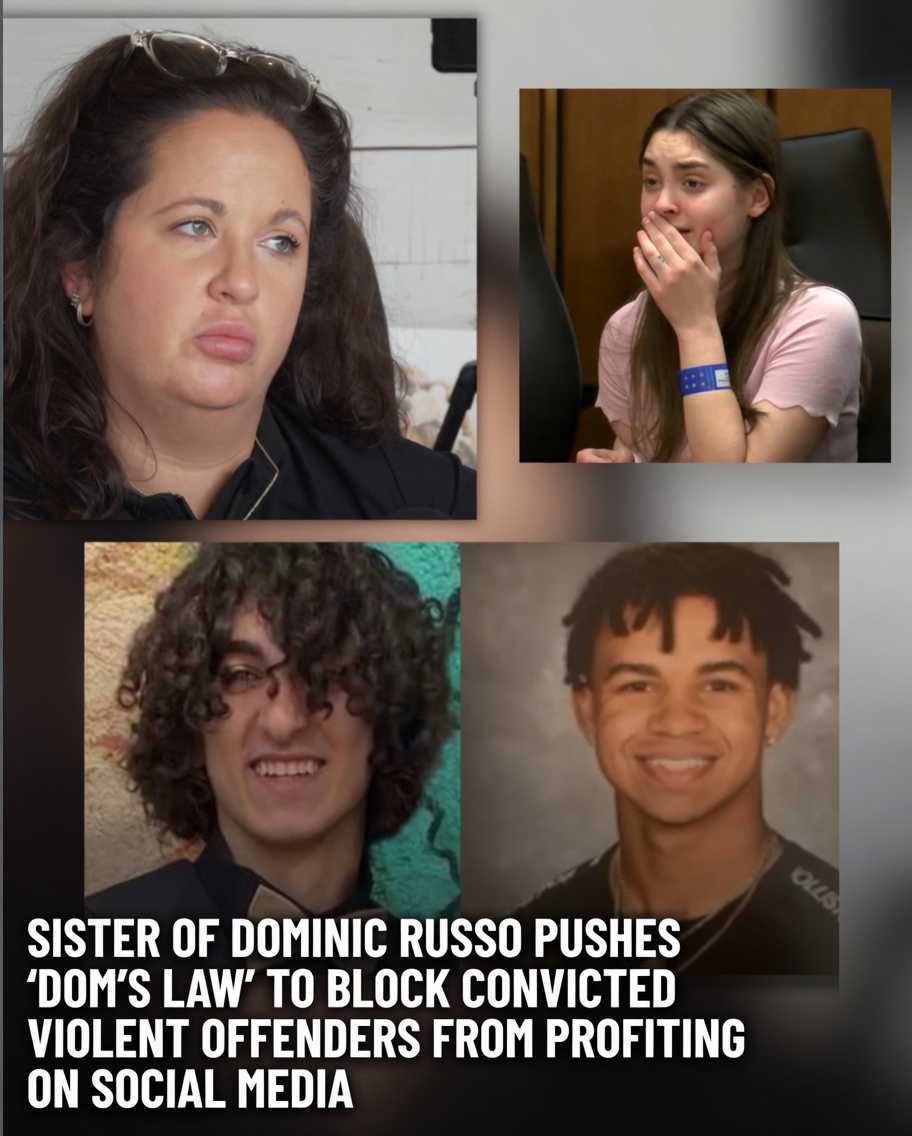
Columbus, Ohio — The sister of a murder victim is leading a campaign to update Ohio’s “Son of Sam” law, aiming to stop convicted violent criminals from monetizing their notoriety through social media platforms like TikTok, YouTube, and crowdfunding sites.
Christine Russo, whose brother Dominic Russo was killed, has launched a petition urging lawmakers to pass what she calls “Dom’s Law.” The proposed legislation seeks to modernize the state’s existing “Son of Sam” law, which was originally designed to prevent criminals from profiting from book deals and television interviews, but does not adequately address today’s digital landscape.
“The law was written for a different era,” Russo said. “It didn’t anticipate TikTok, YouTube, and online crowdfunding, where criminals can now turn their crimes into clicks, followers, and money.”
The Russo family has been disturbed by renewed public attention surrounding Dominic’s case, fearing that individuals convicted of violent crimes could continue to exploit their stories for financial gain on social media. Christine has been vocal in her efforts to close these loopholes and ensure that victims’ families are protected from further emotional and financial harm.
Under the current Ohio law, proceeds from certain crime-related media are supposed to be redirected to victims, but enforcement has proven difficult in the age of influencer culture and direct-to-consumer online platforms.
“Dom’s Law” would aim to expand restrictions on profits generated from social media content, interviews, or any commercial activity tied to a violent crime conviction. Supporters argue it would give victims and their families stronger legal tools to prevent offenders from benefiting from their actions.
The initiative has gained traction locally, with the family hoping to bring the issue before state legislators soon. If passed, Ohio would join a small number of states that have updated their “Son of Sam” laws to reflect modern forms of media and public attention.
This story is developing as the petition continues to circulate and lawmakers consider the proposed changes.