Derek Chauvin Case: Still Deeply Divisive in 2026
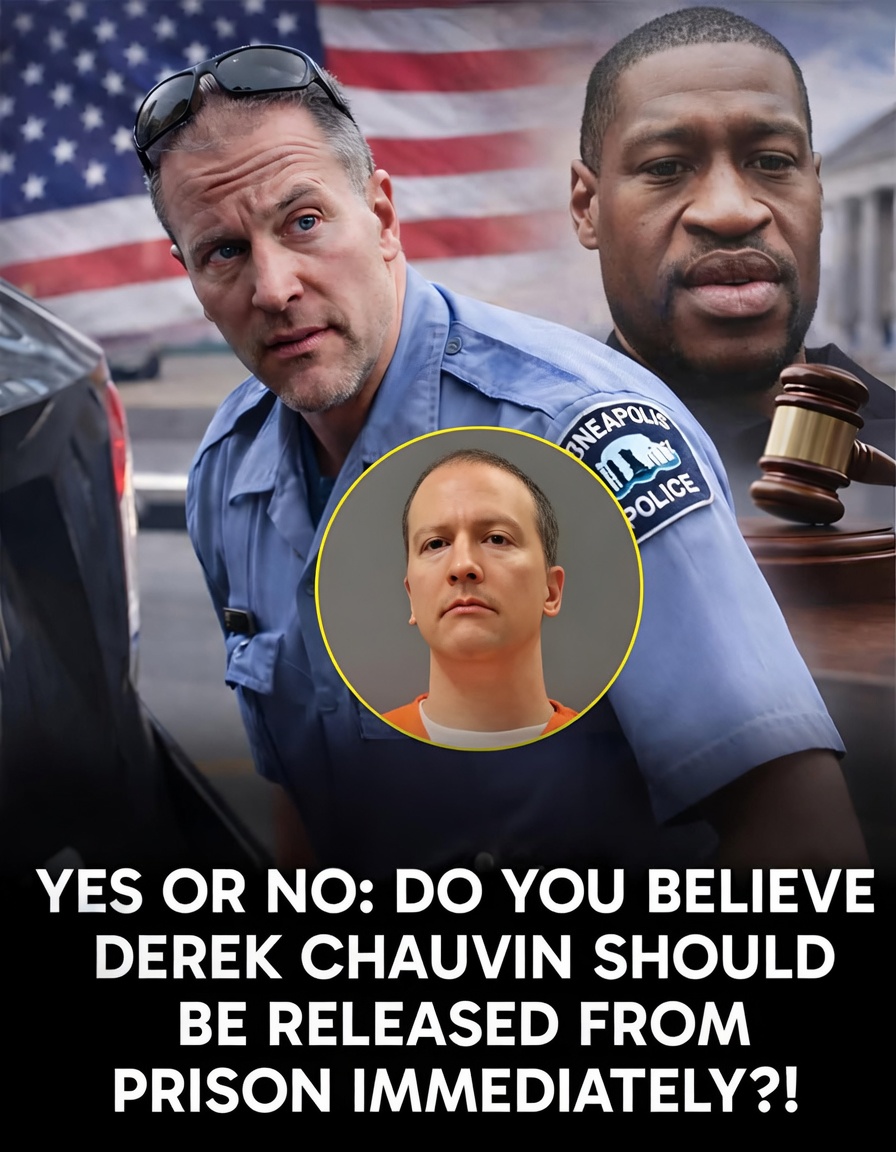
The graphic is a provocative “Yes or No” meme asking whether Derek Chauvin should be released from prison immediately.
Current Status (as of May 2026):
- Derek Chauvin remains incarcerated at the Federal Correctional Institution in Big Spring, Texas (low-security facility).
- He is serving concurrent sentences: 22.5 years on Minnesota state charges (second-degree unintentional murder, third-degree murder, manslaughter) and 21 years on federal civil rights charges.
- Projected release date: Around 2037–2038, accounting for time served and good behavior credits.
- He survived a serious stabbing attack in 2023 (22 stab wounds) by another inmate and was transferred for safety.
Key Facts:
- Chauvin was convicted in 2021 for the death of George Floyd after kneeling on his neck for over 9 minutes.
- Appeals have largely failed, including a U.S. Supreme Court denial in 2023.
- In late 2025, Chauvin filed another petition for post-conviction relief, arguing faulty medical testimony, issues with jury instructions, and police training evidence. That effort is ongoing but faces long odds based on prior rulings.
The case remains one of the most polarizing in modern U.S. history.
Critics of the conviction argue:
- The trial occurred amid intense media coverage and civil unrest.
- Questions about the exact medical cause of death (fentanyl, heart issues vs. restraint).
- Claims of ineffective counsel or procedural unfairness.
Supporters of the conviction argue:
- The video evidence was clear and compelling.
- Multiple experts testified that Chauvin’s actions caused Floyd’s death.
- It represented accountability for excessive force.
As with many high-profile cases involving police and race, public opinion splits sharply along ideological lines. Chauvin is unlikely to be released anytime soon unless a successful appeal overturns one or both convictions.
The meme reflects ongoing frustration from one side of the debate, but the legal process continues to run its course through the courts rather than public polls or social media pressure.