The Tiny Scar That Symbolizes Humanity’s Greatest Medical Victory
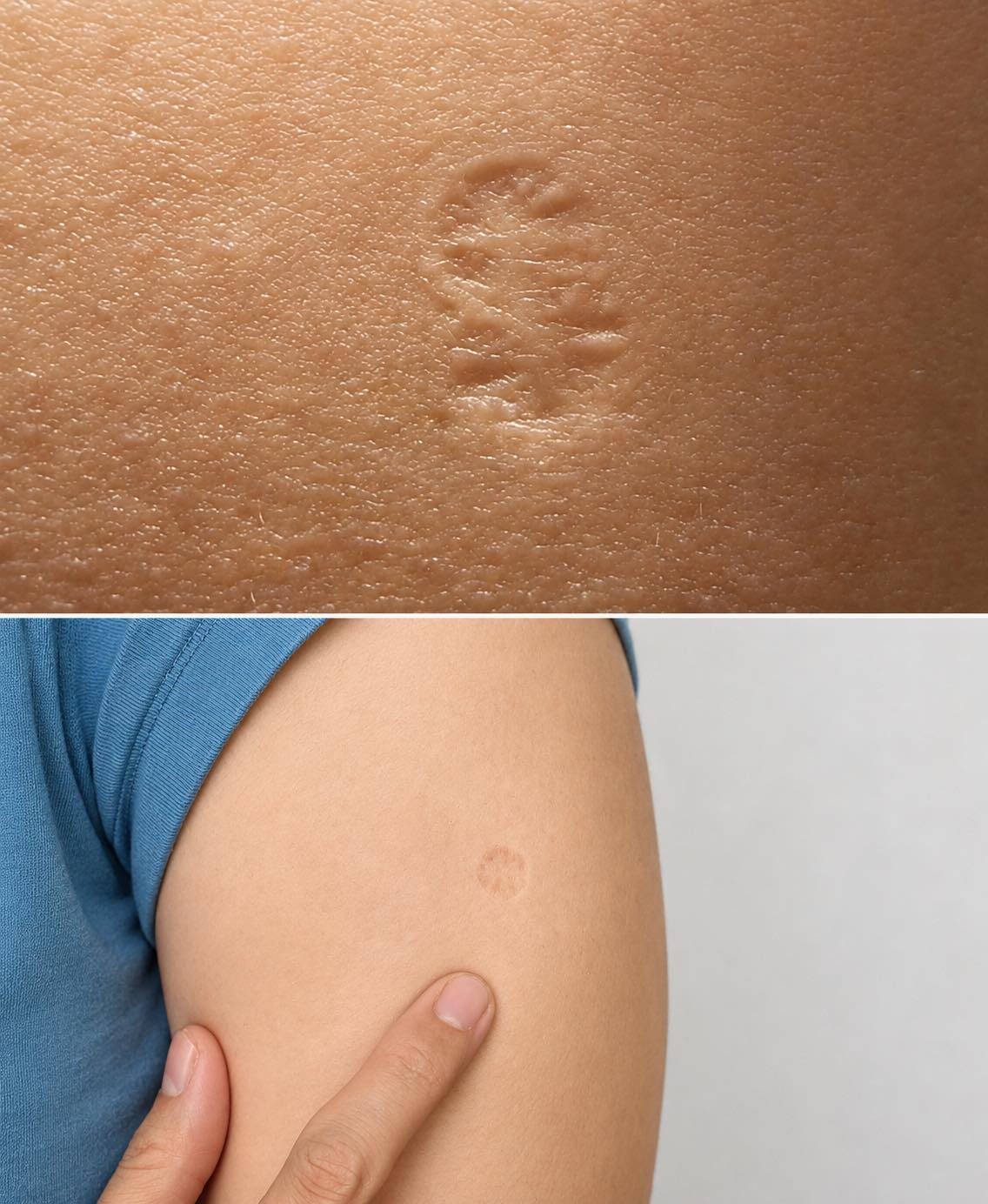
Millions of people around the world still carry a small, circular scar on their upper arm — a quiet reminder of one of the greatest achievements in medical history: the eradication of smallpox.
Unlike modern vaccines that are injected deep into muscle, the smallpox vaccine was administered using a unique two-pronged needle. Doctors repeatedly pricked the skin in the same spot on the upper arm, introducing a weakened form of the virus just beneath the surface. This created a small, controlled infection.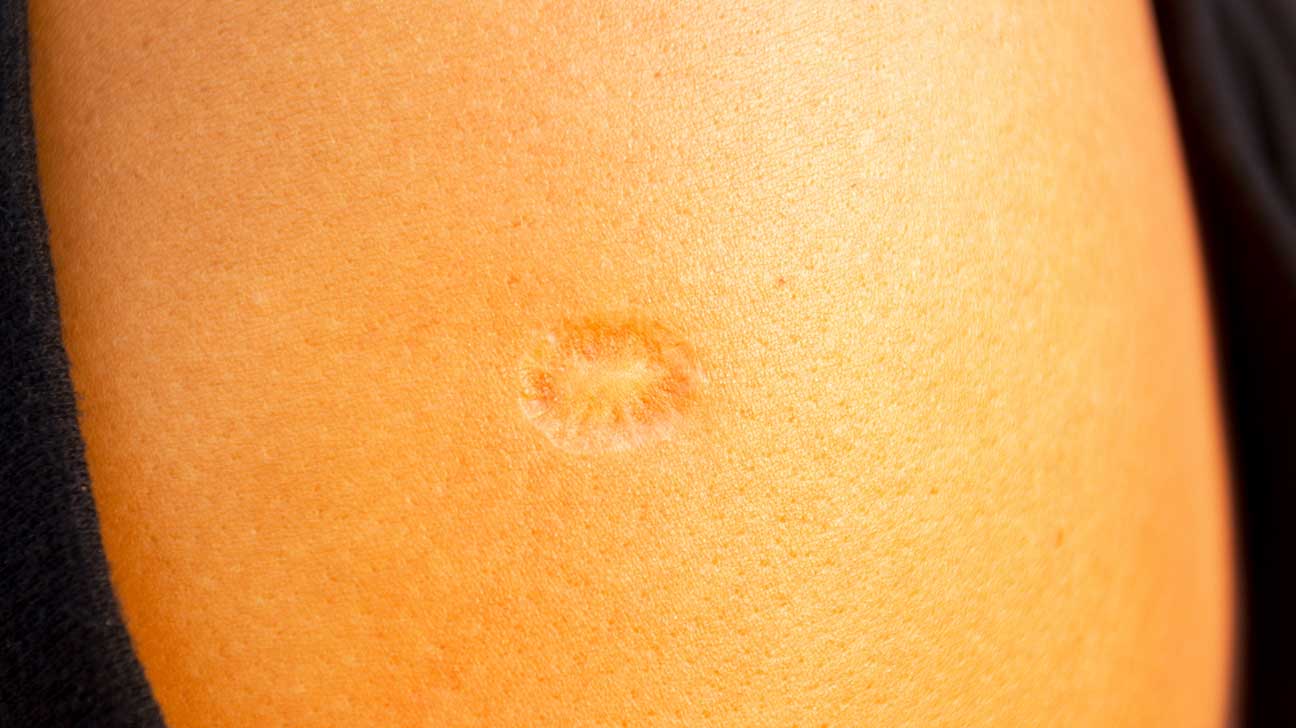
In the days that followed, the vaccination site would typically progress through several stages:
- A raised bump would appear
- A blister would form
- A scab would eventually develop and fall off
As the body fought off the virus and healed, scar tissue formed — leaving behind the distinctive round mark that many people from older generations still carry today.
That small scar was more than just a side effect. It served as visible proof that the immune system had successfully responded to the vaccine and built protection against one of history’s deadliest diseases.
For centuries, smallpox killed hundreds of millions of people and left countless survivors blind or permanently disfigured. Through a massive global vaccination campaign coordinated by the World Health Organization, humanity achieved what once seemed impossible.
In 1980, smallpox became the first human disease ever officially eradicated worldwide.
Today, that faint scar on millions of arms stands as a powerful symbol — a lifelong reminder of international cooperation, scientific triumph, and the defeat of a virus that once terrorized the planet.