90-Million-Year-Old “Rosetta Stone” Dinosaur Fossil Rewrites Evolution!
90-Million-Year-Old “Rosetta Stone” Dinosaur Fossil Rewrites Evolution!
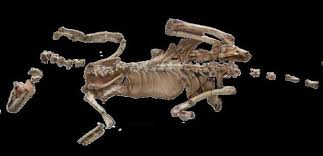
PATAGONIA, Argentina — Paleontologists have unveiled one of the most significant dinosaur discoveries in recent years: a nearly complete skeleton of Alnashetri cerropoliciensis, a tiny, crow-sized alvarezsaur that is being hailed as a “paleontological Rosetta Stone.”
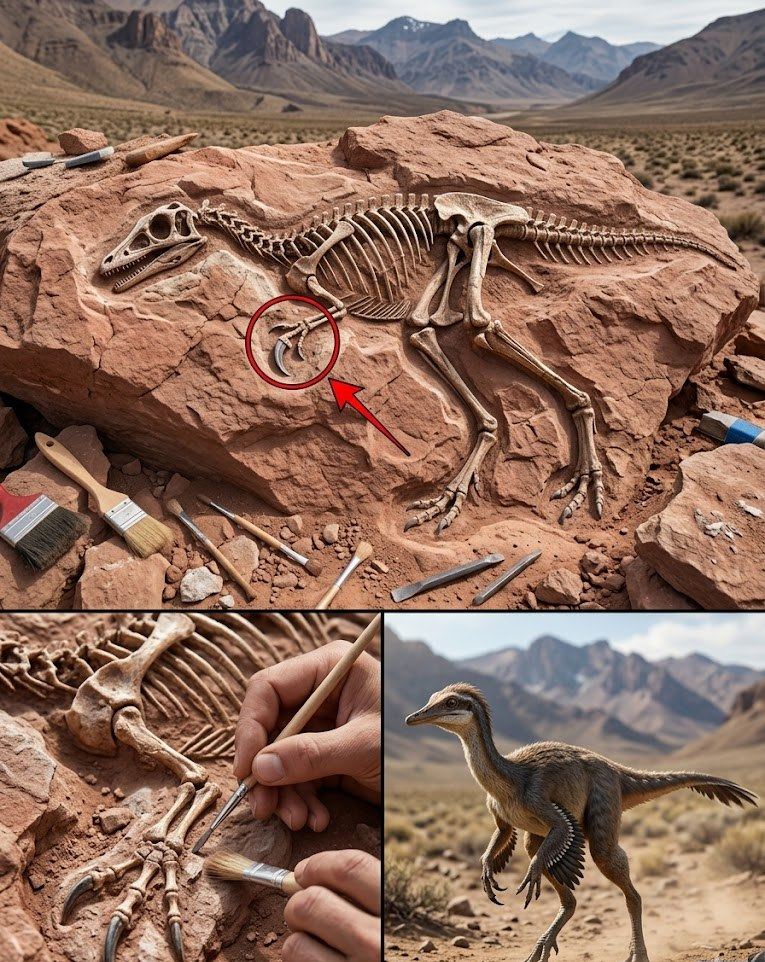
Weighing less than 2 pounds (about 0.7 kg) and standing no taller than a crow, this 90-million-year-old adult specimen was discovered in 2014 at the La Buitrera fossil site in northern Patagonia. After a decade of meticulous preparation, the findings were published in the journal Nature in 2026, led by researcher Peter Makovicky.
A Game-Changing Discovery
Alvarezsaurids are famous for their bizarre anatomy — especially their tiny arms ending in a single massive claw, once thought to be specialized for digging into ant nests or termite mounds. However, this exceptionally preserved fossil is rewriting that story.
Key revelations from the specimen include:
- Miniaturization happened first: This dinosaur was already tiny millions of years before the group evolved their characteristic stubby arms and single large claw.
- Longer arms and bigger teeth: Unlike later alvarezsaurids, Alnashetri had relatively longer forelimbs and more substantial teeth, suggesting different feeding habits and lifestyles in its early evolutionary stage.
- Biogeographic insights: The find challenges previous assumptions about how these bird-like dinosaurs spread across continents before they fully drifted apart.
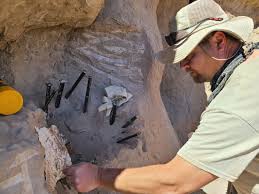
“This is like finding a paleontological Rosetta Stone,” said lead researcher Peter Makovicky. “Going from fragmentary skeletons that are hard to interpret to having a near-complete and articulated animal gives us a crucial reference point for understanding the entire group.”
Rewriting Dinosaur History
The discovery shows that the extreme miniaturization of alvarezsaurids occurred much earlier than previously thought — and independently of the development of their specialized “one-claw” arms. This upends long-held ideas about the sequence of evolutionary changes in this enigmatic dinosaur clade.
Scientists now face intriguing new questions: If shrinking happened first, what other “obvious” evolutionary sequences that we’ve taken for granted might actually be wrong? The fossil also provides fresh evidence about how these dinosaurs lived in a desert environment in ancient Patagonia around 90–95 million years ago during the Late Cretaceous.
Why It Matters
Alnashetri cerropoliciensis is one of the smallest known dinosaurs from South America. Its superb preservation — including delicate bones rarely found intact — offers an unprecedented window into the early evolution of alvarezsaurids, a group that has long puzzled paleontologists due to their strange mix of bird-like and specialized features.
The find reinforces Patagonia’s status as one of the world’s richest hunting grounds for Cretaceous fossils and highlights the importance of long-term, careful preparation of delicate specimens.
Dinosaur history has just been violently rewritten — and this tiny creature, no bigger than a modern bird, is at the center of it all. As researchers continue to analyze the skeleton, more surprises about the origins and spread of these fascinating theropods are likely to emerge.