Google Wants to Release 32 Million “Tech-Enhanced” Mosquitoes into the Wild: What’s the Goal?
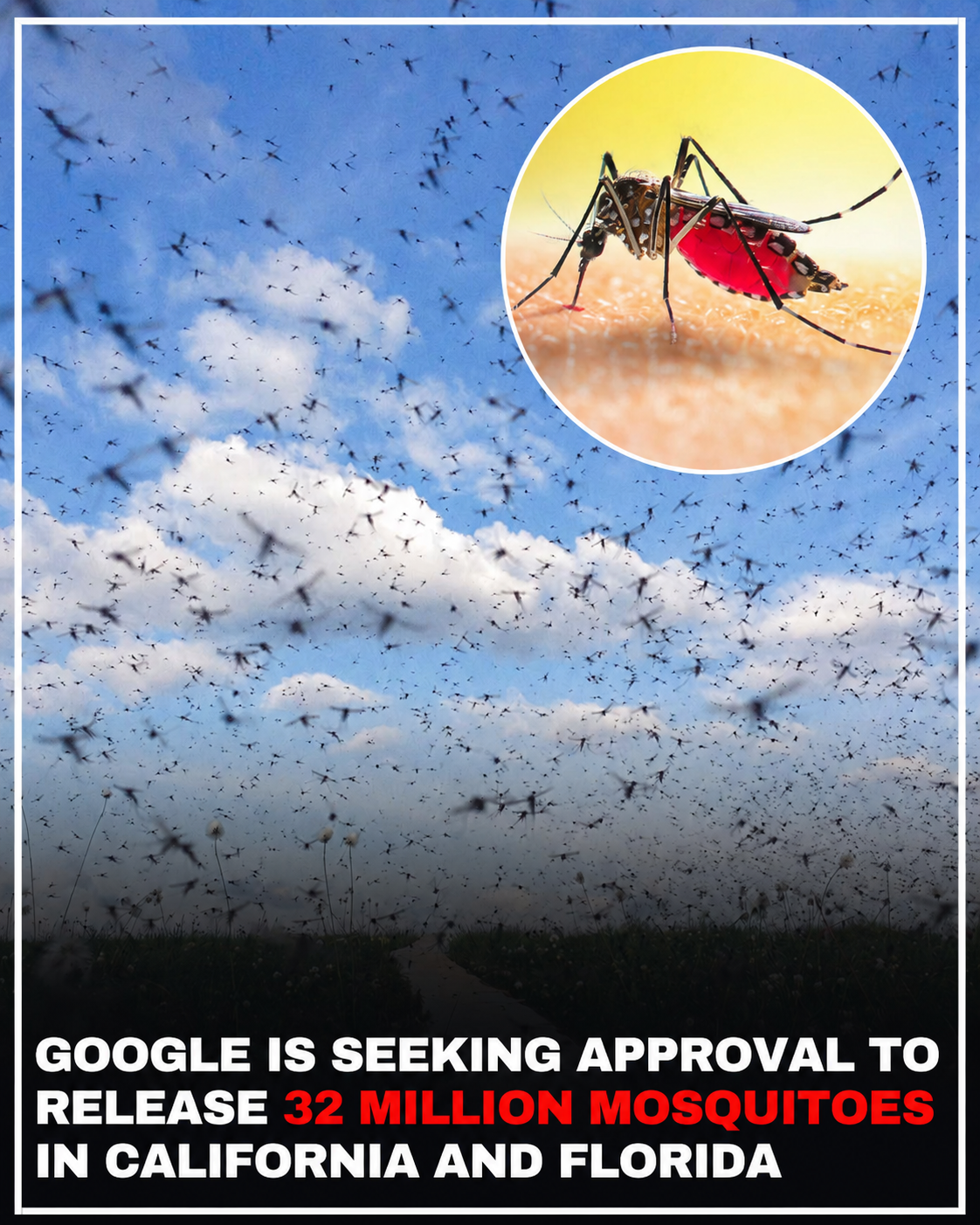
According to markettimes.vn, Google is seeking permission from the U.S. federal government to release 32 million genetically engineered male mosquitoes in an effort to reduce mosquito populations in the wild.
The Unusual Project
The U.S. Centers for Disease Control and Prevention (CDC) considers mosquitoes the most dangerous animal on the planet. Among over 3,500 species, the Aedes aegypti (Asian tiger mosquito) is a major vector for serious diseases such as dengue fever, Zika, and Chikungunya, infecting hundreds of millions of people each year.
Google’s Debug project team points out that most mosquito-borne diseases still lack effective vaccines or specific treatments. Traditional control methods also have significant limitations.
Spraying insecticides is not sustainable because mosquitoes are developing resistance, and the chemicals can harm the environment. Meanwhile, clearing stagnant water is difficult to do thoroughly since people cannot locate every possible breeding site.
To solve this problem, the Debug project uses a “good insects to fight bad insects” approach by releasing millions of sterile male mosquitoes into the environment to suppress disease-carrying populations.
Using Technology to Eliminate Mosquitoes
The core solution involves releasing male mosquitoes infected with Wolbachia, a naturally occurring bacteria.
When these Wolbachia-carrying males mate with wild females, the resulting eggs will not hatch. This gradually reduces and eventually collapses the local mosquito population.
The project emphasizes that this method:
- Uses naturally occurring bacteria
- Does not involve chemicals or genetic modification (GMO)
- Only releases male mosquitoes (females are the ones that bite humans)
Therefore, releasing tens of millions of males will not increase the risk of bites for local residents.
What makes this project unique is Google’s use of advanced technology. The company plans to apply Artificial Intelligence (AI) and robotics to automate the entire process — from breeding and sorting males from females with high precision, to large-scale release. This technological edge allows the project to operate at massive scale with high accuracy.
According to the New York Post, Google’s proposal is currently under review by the U.S. Environmental Protection Agency (EPA). The EPA is accepting public comments until June 5 before making a final decision on the experimental permit. The exact release locations in California and Florida have not yet been officially announced.