Belgian Boy Lucas Jemeljanova Becomes First Person in History Cured of Terminal DIPG Brain Cancer
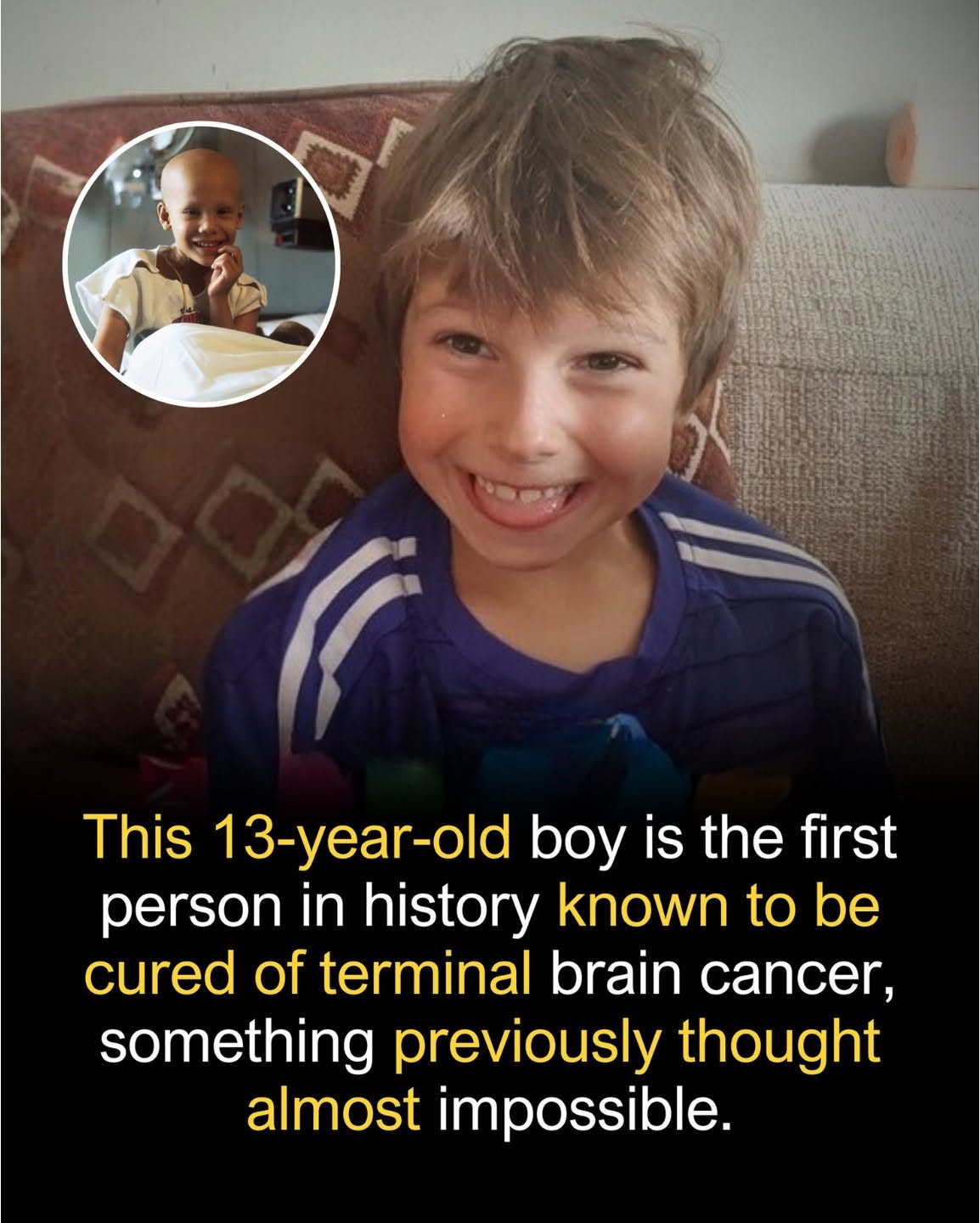
PARIS — In a groundbreaking medical milestone, 13-year-old Lucas Jemeljanova from Belgium has become the first known person to be fully cured of diffuse intrinsic pontine glioma (DIPG), an aggressive and typically fatal pediatric brain cancer that attacks the brainstem.
Lucas was diagnosed at just six years old with DIPG, a tumor considered inoperable due to its location. The disease has a devastating prognosis: most children survive only 9 to 12 months after diagnosis, with a 98% fatality rate within five years. Standard treatments like radiation can temporarily slow progression but rarely lead to long-term survival.
Desperate for options, Lucas’s family enrolled him in the BIOMEDE clinical trial at Gustave Roussy Cancer Center in France — one of the first patients in the ambitious study testing personalized drugs based on tumor biology. He was randomly assigned everolimus, a drug previously used for other cancers (such as breast, kidney, and pancreatic) but never successfully for DIPG.
Lead physician Dr. Jacques Grill, head of the brain tumor program at Gustave Roussy, monitored Lucas closely. Over a series of MRI scans, the tumor began shrinking and eventually disappeared completely — an unprecedented outcome for this cancer type. Seven years after diagnosis, Lucas remains cancer-free and is considered officially cured.
Researchers believe Lucas’s tumor harbored a rare genetic mutation that made it exceptionally sensitive to everolimus, which works by blocking the mTOR protein involved in cancer cell growth. Scientists are now studying his tumor cells to understand this unique response in hopes of developing better treatments for other children.
Dr. Grill described Lucas’s case as offering genuine hope: “Lucas beat all the odds.” While the BIOMEDE trial included other long-term survivors, Lucas is the only one whose tumor vanished entirely.
This extraordinary outcome has sparked cautious optimism in the pediatric oncology community. DIPG remains one of the most challenging childhood cancers, but Lucas’s story highlights the potential of precision medicine and molecular profiling.
Lucas and his family continue to inspire others facing similar diagnoses. His remarkable recovery stands as a beacon of hope that even the most terminal conditions may one day become treatable.