Outrage Over Police Attempt to Portray Henry Nowak as Aggressor Despite Evidence Killer Lied
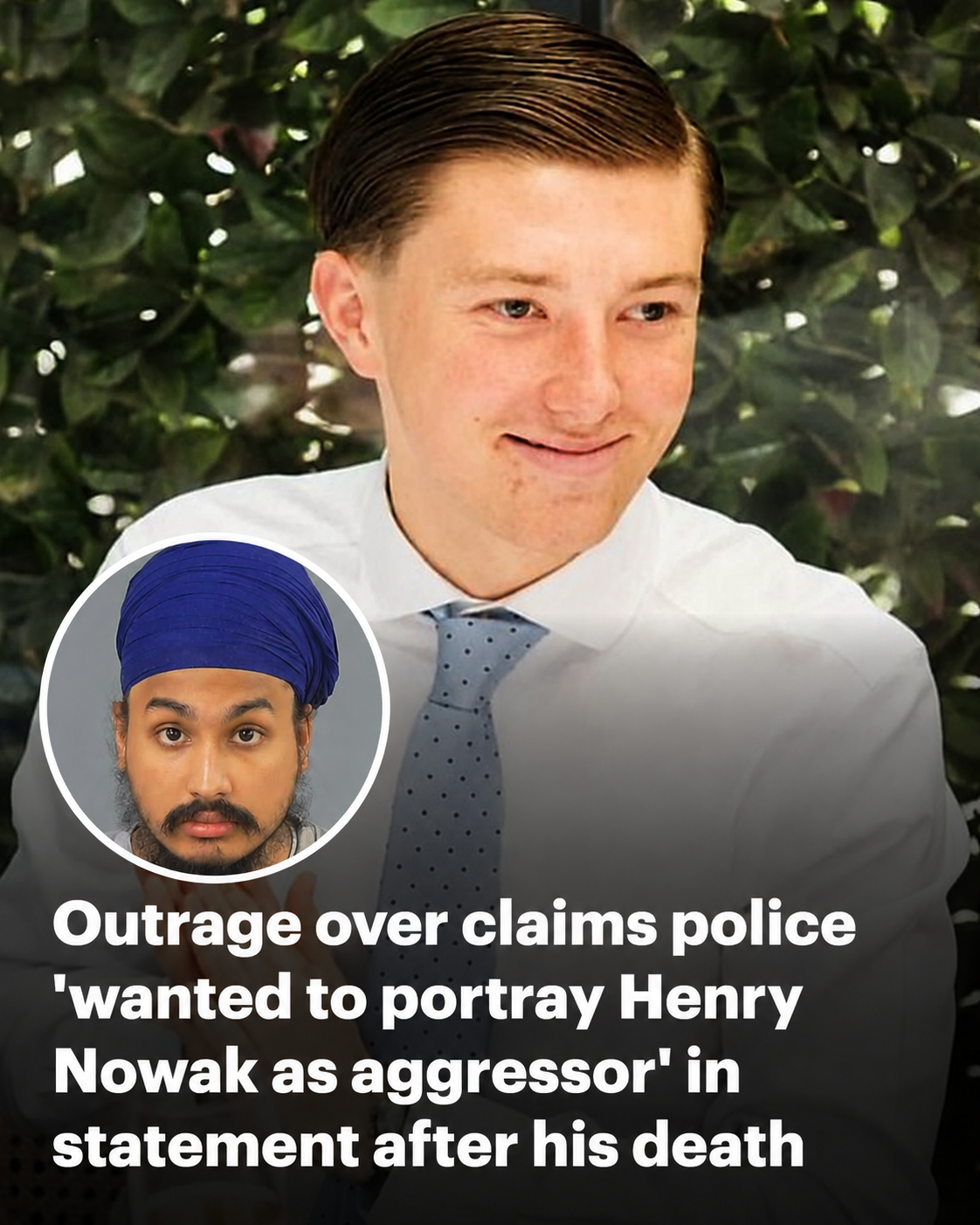
Hampshire Police in the UK has faced sharp criticism after reports emerged that they planned to issue a public statement portraying murdered 18-year-old university student Henry Nowak as the aggressor — just days after his death — even though they already had strong evidence that his killer, Vickrum Digwa, had lied to officers.
Nowak was stabbed multiple times in the early hours of December 4, 2025, in Southampton after a night out. Digwa, who is Sikh, falsely claimed to police that he and his brother had been victims of a racially motivated assault by an unknown man. Believing this account, officers reportedly handcuffed the dying Nowak as he pleaded for help, treating him as a suspect rather than a victim.
According to reports, three days after the murder, police prepared a statement implying that Nowak had assaulted Digwa and his brother. The family was reportedly told that the next update would continue this narrative. However, that section was later removed, and the published statement only referred to an “altercation.”
Critics argue this reflected a “two-tier” policing approach influenced by diversity, equity, and inclusion (DEI) policies, with police appearing overly eager to accept Digwa’s false racism claims.
The force also reportedly considered releasing a statement addressing so-called “misinformation” while the trial was ongoing — a highly unusual move that the Crown Prosecution Service (CPS) warned could jeopardize the trial’s integrity.
Ameer Kotecha of the Centre for Government Reform said the revelations highlighted “deep DEI rot” in policing. Shadow Justice Secretary Nick Timothy MP condemned the police for issuing “irresponsible statements” that threatened the fairness of the trial.
Digwa was convicted and sentenced to life imprisonment with a minimum term of 21 years. The case has sparked significant public anger, riots in Southampton, and calls for a public inquiry into systemic failures by police and other agencies.
Hampshire Police defended their actions, stating they were responding to a large amount of online mis- and disinformation circulating after the trial began, and that they ultimately followed CPS advice not to publish the disputed statement.
The incident has fueled broader debate about policing, race, identity politics, and public trust in the justice system in Britain.