He was only 13 months old, placed in a home that was supposed to protect him. Now, after the sentencing, the Preston Davey case is raising a question the UK cannot ignore: could someone have saved him sooner?
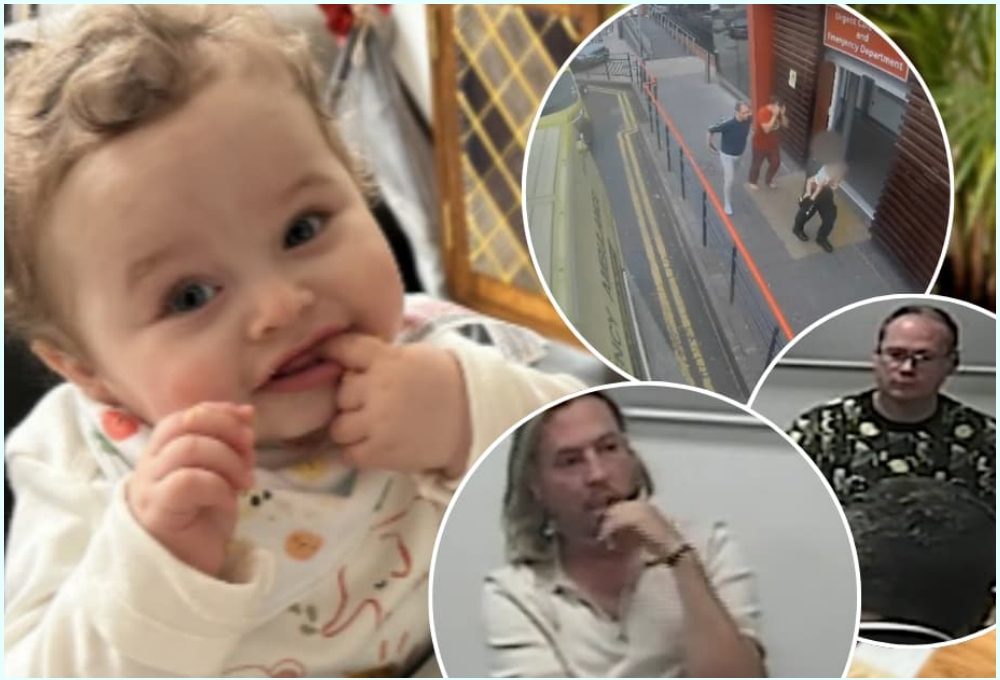
A baby who was meant to be protected by adoption became the centre of a case that now raises one devastating question: how many warning signs were missed before Preston Davey died?
Latest Update On The Preston Davey Case
As of July 2, 2026, the Preston Davey case remains one of the most disturbing and closely watched child-protection cases in the UK. The criminal trial has ended, the sentences have been handed down, and the focus is now shifting toward a wider safeguarding review, missed opportunities, and the systems that were supposed to protect a 13-month-old child.
Preston Davey was only 13 months old when he died on July 27, 2023. He had been placed with Jamie Varley, a former secondary school teacher, and Varley’s partner, John McGowan-Fazakerley, as part of an adoption process. According to court reporting, Preston had spent his first months with foster carers, where he was described as a happy and healthy baby before moving into the couple’s care.
On June 15, 2026, Jamie Varley was convicted at Preston Crown Court of murdering Preston, along with multiple offences involving abuse, cruelty, and indecent images. McGowan-Fazakerley was convicted of causing or allowing the death of a child, child cruelty, and sexual assault. The Guardian reported that prosecutors described Varley as a manipulative liar and said Preston died after months of abuse inside the home.
The court heard that Varley initially claimed Preston had suffered a bath accident. However, medical evidence did not support that account. A post-mortem examination found that Preston died from acute upper airway obstruction, and investigators found evidence of around 40 injuries. The prosecution said the bath explanation was not credible and that phone evidence became an important part of the case. This is why many online thumbnails and reports refer to the phrase “He filmed it.” 
On June 18, 2026, Varley received a whole-life order, meaning he will spend the rest of his life in prison with no possibility of parole. McGowan-Fazakerley was sentenced to 25 years in prison. The sentencing judge said Varley would never be eligible for release.
But the latest public attention is not only on the punishment. The bigger issue now is the review into how Preston was placed in the couple’s care and whether agencies missed chances to intervene. The Guardian reported that Preston had been seen by several professionals in the weeks before his death, including social workers, doctors, and nurses. He was reportedly taken to hospital three times while in the couple’s care, including once with a broken arm, yet he was returned home each time.
A child safeguarding practice review, originally launched by Oldham Council after Preston’s death, was paused during the criminal proceedings and has now resumed. The review is expected to examine the actions of agencies involved in Preston’s welfare before he died. This review has become one of the most important next steps in the case, because many people are no longer asking only who killed Preston. They are asking how the system failed to stop it. 
The Times also reported wider concerns about Oldham children’s services, including previous serious child safeguarding failures involving other children. Its report described calls for scrutiny of the local system and noted that the review into Preston’s case is still ongoing.
In the days after sentencing, new media reports focused on the aftermath for the convicted men. The Sun reported on June 30 that a house once connected to Varley and McGowan-Fazakerley had gone back on the market at a reduced price. The same report repeated the confirmed sentencing details and said the property had been purchased weeks after Preston’s death.
On July 1, The Sun also reported claims about Varley’s reception in prison after his whole-life sentence. These prison-condition claims should be treated carefully because they are based on tabloid reporting and anonymous sources, not an official prison statement. The confirmed legal fact remains that Varley is serving a whole-life order, while McGowan-Fazakerley is serving a 25-year sentence.
There has also been growing public discussion around stronger post-adoption checks. Some people online have referred to the idea as “Preston’s Law,” calling for more follow-up visits and faster action when concerns appear after adoption placement. As of this update, that is not confirmed as law; it is a public demand for reform.
The most important verified update is this: the court case is over, but the safeguarding questions are not. Preston’s death has moved from a criminal case into a wider accountability debate. The review will now have to answer whether professionals had enough information, whether they asked the right questions, and whether any warning signs were accepted too easily because the couple appeared stable, educated, and respectable.
For readers, Preston’s story is heartbreaking because it destroys the idea that danger always looks obvious. In this case, a teacher and a finance professional were trusted with a baby who could not speak for himself. Court evidence later showed that behind that public image, Preston was not safe.
The final sentence has been passed, but the final lesson has not yet been learned. Preston Davey’s name is now tied not only to a murder conviction, but to a national question about child protection: when a child is placed into care for safety, who makes sure that safety is real?
Suggested reader hook for social media:
He was only 13 months old, placed in a home that was supposed to protect him. Now, after the sentencing, the Preston Davey case is raising a question the UK cannot ignore: could someone have saved him sooner?