The Extraordinary Case of Lydia Fairchild: A Mother Who Was Not a Genetic Match for Her Own Children
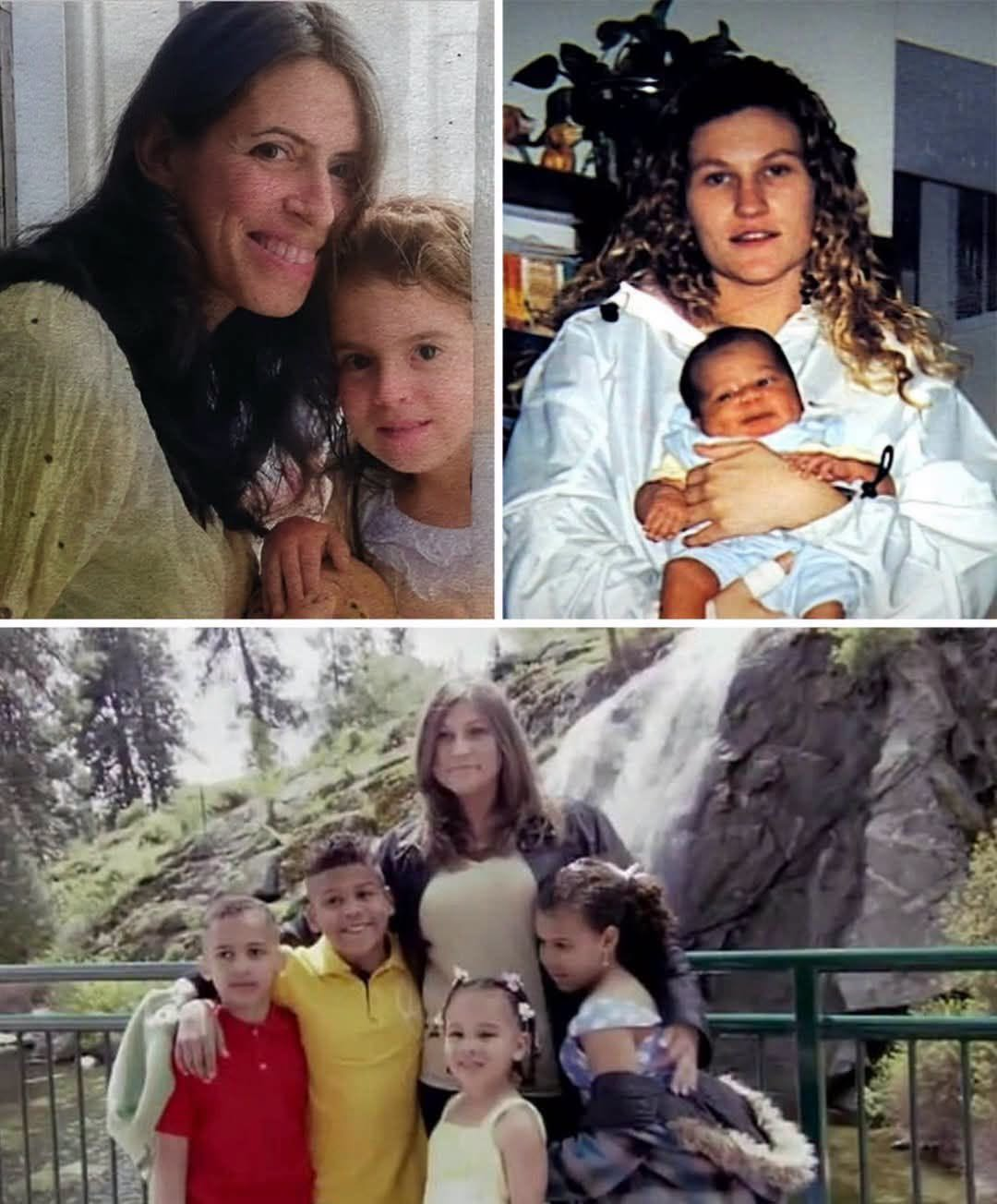
In 2002, Lydia Fairchild, a 26-year-old single mother in Washington state, found herself in an unimaginable legal nightmare. While applying for government assistance after separating from her children’s father, Jamie Townsend, routine DNA testing was required to confirm paternity and maternity. The results confirmed that Townsend was the biological father of their children—but they appeared to show that Fairchild was not their mother.
Multiple DNA tests from different labs produced the same shocking outcome. Authorities accused Fairchild of welfare fraud, suggesting she was either claiming benefits for children who were not hers or had been involved in a surrogacy scheme. Prosecutors pushed to have her children removed from her care. When she gave birth to her third child, a court observer was present to witness the delivery and immediately collect DNA samples from both mother and newborn. Even this child’s test results failed to match Fairchild’s.
The situation seemed hopeless until Fairchild’s defense attorney, Alan Tindell, learned about a similar case involving Karen Keegan, a chimeric woman from Boston whose story had been documented in the New England Journal of Medicine. Tindell proposed that Fairchild might also be a chimera—an individual with two distinct sets of DNA resulting from the fusion of two embryos (fraternal twins) early in development.
Further testing confirmed this rare condition. While DNA from Fairchild’s skin and hair did not match her children, samples from her cervical smear (and other tissues) revealed a second genetic profile that did match. The children’s DNA also aligned with that of Fairchild’s mother, consistent with a grandmother-grandchild relationship. The reproductive tissues carried the second DNA set, which had been passed on to her offspring.
Chimerism is an extremely rare genetic phenomenon where an individual absorbs a twin in utero, resulting in different cell lines with distinct DNA throughout the body. In Fairchild’s case, she was effectively her own fraternal twin, with one DNA profile dominating most of her body and another in her reproductive system.
The charges were dropped, and Fairchild was able to keep her children. Her case has since become a landmark example of the limitations of standard DNA testing and a powerful illustration of human genetic complexity.