Boy Born with Just 2% of His Brain Defies Doctors: Noah Wall’s Remarkable Recovery
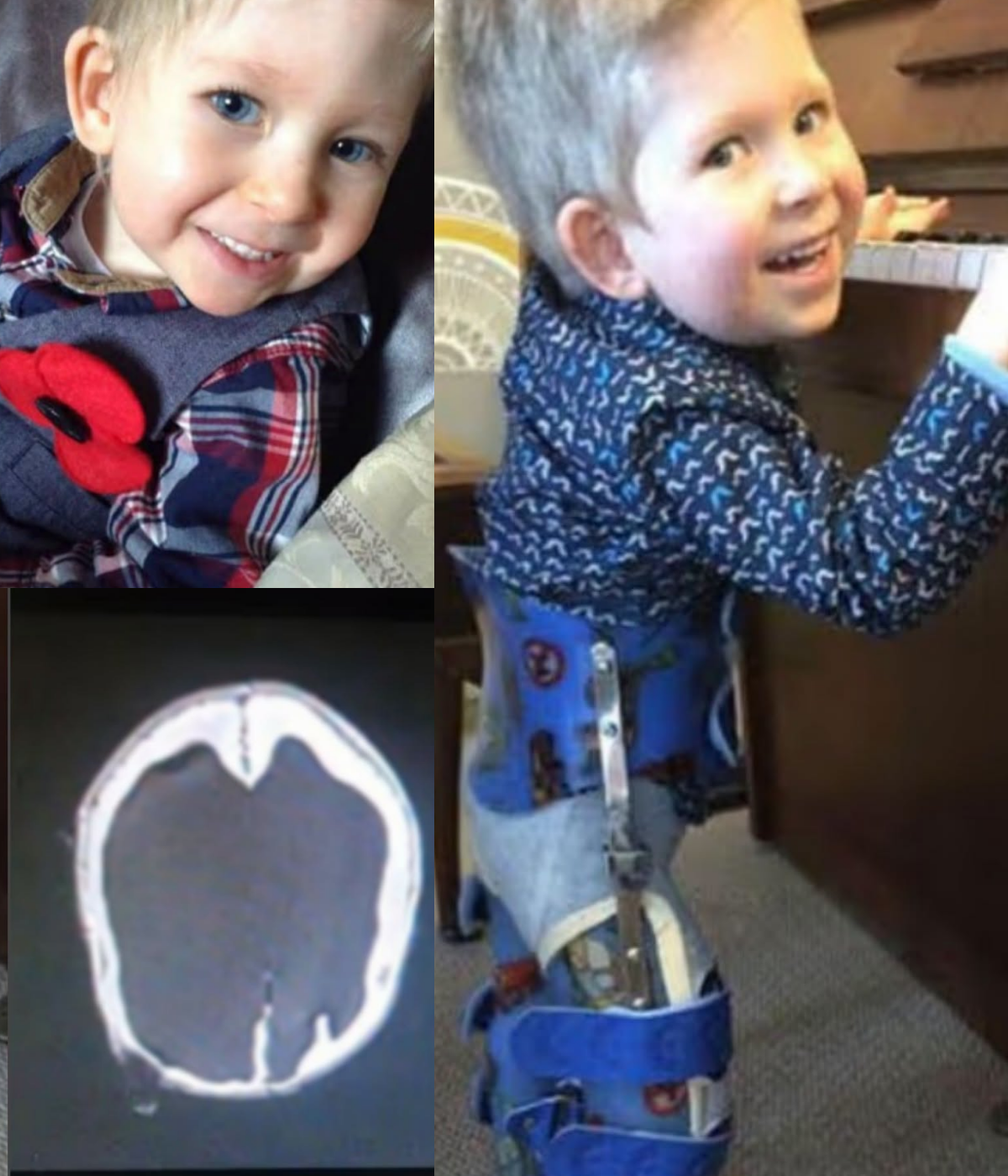
When Michelle and Rob Wall of Cumbria, England, learned during pregnancy that their unborn son had severe spina bifida, hydrocephalus, and what appeared to be almost no brain tissue, doctors offered grim predictions. Scans suggested the baby had only about 2% of a normal brain. Specialists warned he might not survive birth, or if he did, he would likely remain in a vegetative state—unable to talk, see, hear, or eat. Termination was recommended multiple times. The couple refused and even prepared a small coffin.
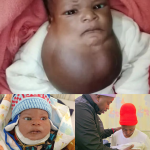
Noah Wall was born on March 6, 2012, weighing 9 pounds 7 ounces. To everyone’s surprise, he cried and breathed on his own. Immediate surgery closed the open spinal defect caused by myelomeningocele (the most severe form of spina bifida) and placed a shunt to drain excess fluid from his brain. He was paralyzed from the chest down, a consequence of the spinal cord damage.
Early MRI scans confirmed the devastating prenatal findings: a thin layer of brain tissue pressed against the skull, with the rest of the cranial cavity filled with fluid. Doctors remained cautious about his long-term prospects.
Then came an extraordinary development. At age three, a follow-up brain scan revealed that Noah’s brain had grown to approximately 80% of normal size. Medical teams were stunned. Some specialists believe the extreme pressure from hydrocephalus had compressed existing brain tissue into a small space; once the shunt relieved that pressure, the tissue expanded and developed further. Others point to the remarkable plasticity of the developing brain. Whatever the mechanism, the change was clear on imaging and matched Noah’s unexpected cognitive progress.
Today Noah can speak, see, hear, and eat independently. He has a lively personality, enjoys school, and has tried activities such as surfing and adaptive skiing. He remains paralyzed from the chest down and uses braces, a standing frame, and a wheelchair for mobility, but his upper-body function and mental development continue to exceed early expectations. His parents describe him as determined and joyful, a boy who dreams of becoming an astronaut.
Noah’s case has drawn interest from neurosurgeons and researchers studying brain plasticity and recovery after severe congenital compression. Consultant Claire Nicholson, who has followed him, has said he has “greatly exceeded all our expectations” and that the most important lesson may be what children like Noah can teach medicine about the brain’s capacity to adapt.
From a prenatal diagnosis that offered almost no hope to a childhood filled with speech, laughter, and new milestones, Noah Wall’s story stands as a striking example of resilience against overwhelming medical odds.
Sources
- News.com.au, Wales Online, Chronicle Live, and ITV News reports on Noah Wall
- Family interviews and medical commentary from Newcastle’s Royal Victoria Infirmary / Great North Children’s Hospital