FORENSIC SCIENCE CHANGED EVERYTHING IN PRESTON DAVEY’S CASE
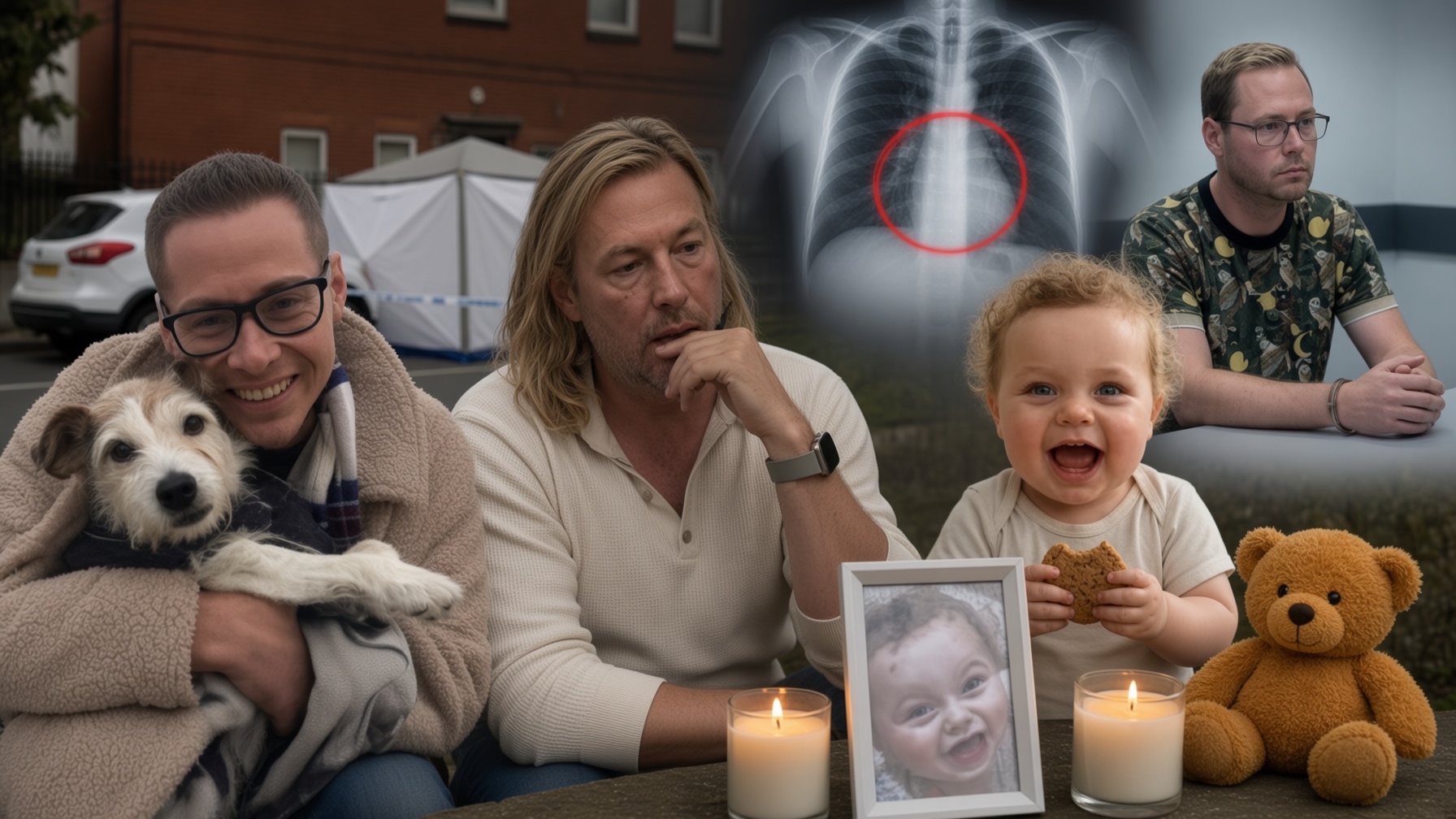
The Forensic Evidence That Changed Everything in Preston Davey’s Case
Topic sentence: The murder case of 13-month-old Preston Davey has returned to public attention because forensic science did what emotion, appearances and excuses could not: it exposed the truth behind a false story and forced Britain to ask how a baby placed for safety was failed so catastrophically.
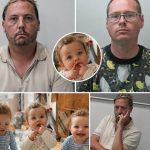
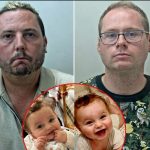
Preston Davey was supposed to be beginning a safer chapter of life. Born on 16 June 2022, he was placed into emergency foster care just days later and, according to Lancashire Police, was described during his first nine months by health professionals as a healthy and happy baby. In March 2023, an adoption panel approved his placement with Jamie Varley and John McGowan-Fazakerley, and Preston spent his first night with them on 31 March 2023. Less than four months later, on 27 July 2023, he was taken to Blackpool Victoria Hospital unconscious and in cardiac arrest. He could not be saved. (Lancashire Police News)
The case has become one of the most disturbing child protection failures in recent British memory, not only because of the cruelty proved in court, but because the first explanation offered by Varley was ultimately dismantled by forensic and medical evidence. Varley claimed Preston had accidentally drowned after being left briefly in a bath. That claim became central to the case because it was the story he gave to hospital staff and police. But investigators and medical experts found facts that did not fit that account. Lancashire Police said Preston was completely dry when he arrived at hospital, and a Home Office post-mortem established that he had suffered 40 traumatic injuries while in the care of Varley and McGowan-Fazakerley. Preston’s cause of death was found to be acute upper airway obstruction. (Lancashire Police News)
The Crown Prosecution Service said prosecutors proved Preston’s injuries were consistent with his airways being obstructed, not with accidental drowning. The CPS also stated that experts confirmed his condition could not have been caused by accidental drowning in the bath or by any natural cause. That scientific finding became the turning point: what had been presented as a sudden household accident was revealed as the final moment in a pattern of abuse. (Crown Prosecution Service)
The evidence showed that Preston had suffered more than 40 separate injuries. According to the CPS, these included bruising to his mouth, throat, bowel and bladder, as well as a healing fracture to his left arm that was deemed non-accidental. Medical evidence also showed injuries consistent with sexual assault shortly before his death and at an earlier point in the weeks before. Prosecutors also built their case using phone evidence, including images and videos that showed cruelty and abuse. (Crown Prosecution Service)
On 15 June 2026, after an eight-week trial at Preston Crown Court, Jamie Varley, a former high school teacher, was convicted of murder, child cruelty, sexual offences and offences involving indecent images relating to Preston. John McGowan-Fazakerley was convicted of allowing the death of a child, child cruelty and sexual assault. (Crown Prosecution Service)
Three days later, on 18 June 2026, Varley was given a whole life order, meaning he will remain in prison for the rest of his life and will never be eligible for parole. McGowan-Fazakerley was sentenced to 25 years in prison and must serve two thirds of that sentence. ITV News reported that Mr Justice Turner described Preston’s suffering as “unremitting abuse” and told Varley that a whole life order was reserved for cases of the most extreme gravity. (ITVX)
The latest confirmed development came on 20 July 2026, when ITV News reported that public bodies must face scrutiny over Preston’s death. At Blackpool Coroner’s Court, Senior Coroner Alan Wilson said it was “highly likely” that an inquest would be held into Preston’s death, possibly in autumn 2027. The coroner noted that relevant issues had already been examined during the criminal trial, but the question remains whether a wider inquest is needed to examine agency involvement before Preston died. (ITVX)
That matters because Preston had contact with multiple professionals before his death. ITV reported that he had been taken to hospital three times in the weeks leading up to his death and had been seen by a “battery of professionals,” including medical staff, social workers and welfare officers. Police had also been called before his death. These details have deepened public anger because they raise a painful question: were there warning signs that should have triggered stronger protection? (ITVX)
Oldham Council has also been drawn into the spotlight. Preston had been placed with Varley and McGowan-Fazakerley by Oldham Council with a view to adoption. After the guilty verdicts, an independent safeguarding review was set to resume. The Oldham Chronicle reported on 15 June 2026 that the review would examine how agencies acted before Preston’s death. (Oldham Chronicle)
The case has also led to calls for wider scrutiny beyond Preston’s case alone. A later report, republished by Yahoo News from BBC journalists, said there were calls for the Preston Davey review to include the case of another child, Damion Russell, after concerns were raised about missed medical warning signs at the same hospital. (Yahoo Malaysia)
For Preston’s family and foster carers, the court process confirmed what forensic science had already made clear: this was not an accident. Lancashire Police published victim impact statements in which Preston’s biological mother, Sarah Davey, described him as a baby with a beautiful smile and said the trust placed in the adopters had been “completely and unforgivably broken.” His foster carers, Sandra and Paul Cooper, remembered Preston as joyful, smiling and thriving before he left their care. (Lancashire Police News)
Detective Chief Inspector Andy Fallows said after sentencing that the headlines would understandably focus on Varley and McGowan-Fazakerley, but he did not want Preston to be lost in them. He described Preston as a happy and thriving boy who would have celebrated his fourth birthday two days before the sentencing. (Lancashire Police News)
What makes this case so powerful is the way forensic evidence reshaped the entire story. A false explanation was offered. Science tested it. Medical findings contradicted it. Phone evidence supported the prosecution’s case. And the court ultimately accepted that Preston’s death was not a tragic bath accident, but the result of deliberate criminal abuse by the very people entrusted with his care.
Today, the Preston Davey case stands as more than a murder conviction. It is now a test of public accountability. The whole life sentence ensures Jamie Varley will never be released, and McGowan-Fazakerley will spend decades in prison. But the wider questions remain: how did Preston pass through systems designed to protect him, and why did the warning signs not save him sooner?
Until the safeguarding review and likely inquest provide fuller answers, Preston’s name continues to represent both a life stolen and a system under scrutiny. The forensic science may have exposed the truth in court, but the public is still waiting to learn whether every missed opportunity will finally be confronted.
Images you can use with credit/source:
- Photo of Preston Davey — available in Lancashire Police and ITV reports. Best for main article image. (Lancashire Police News)
- Jamie Varley police/court image — available in LBC and Lancashire Police coverage. (LBC)
- John McGowan-Fazakerley image — available in LBC/Lancashire Police coverage. (LBC)
- Preston Crown Court / court coverage image — available through ITV News Granada. (ITVX)
Sources used: Lancashire Police, Crown Prosecution Service, ITV News Granada, Oldham Chronicle, LBC, Yahoo/BBC republication.