Living with Harlequin Ichthyosis: The Remarkable Story of Evan Fasciano
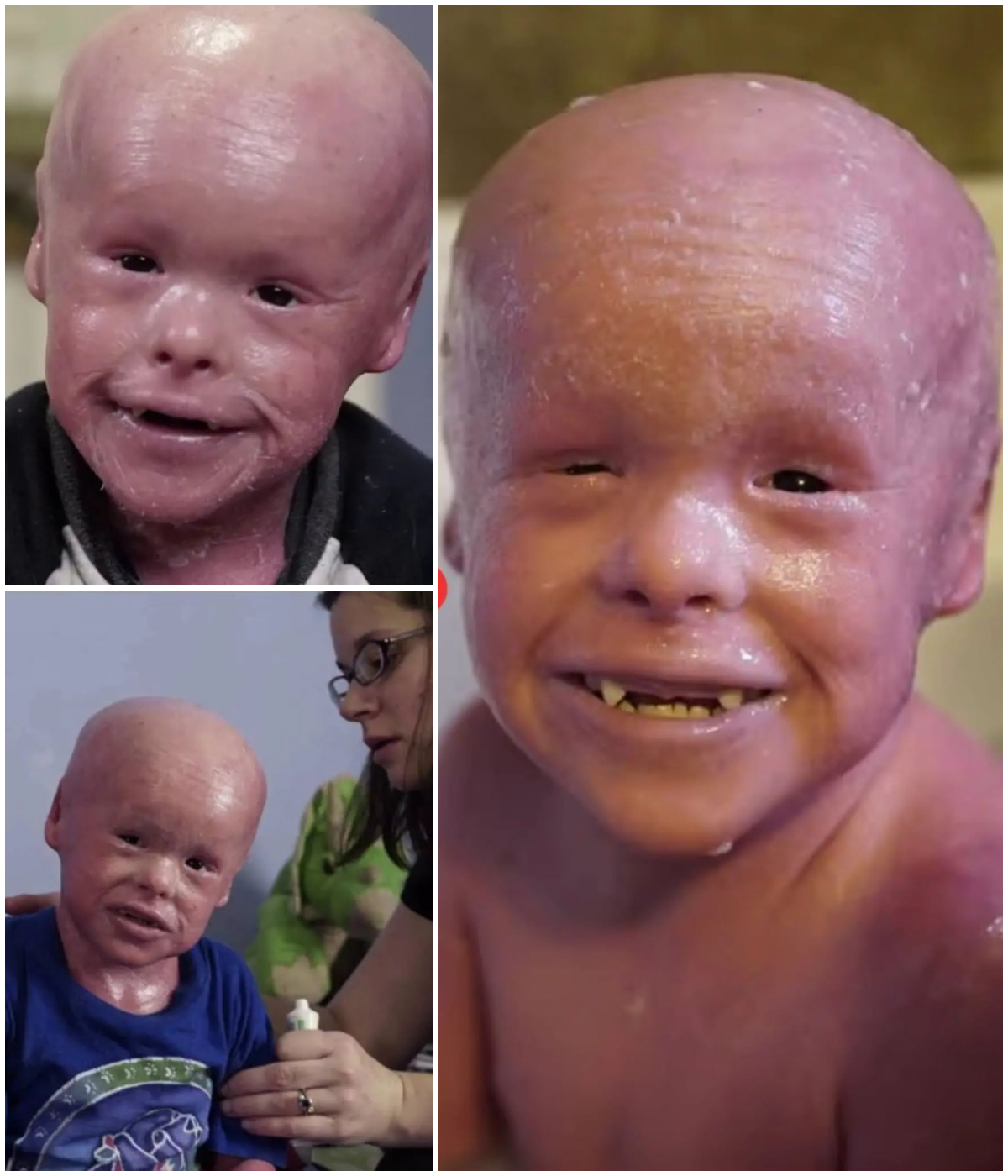
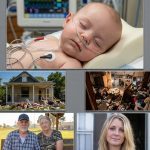
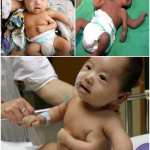
Evan Fasciano was born in 2011 (some reports list 2010) in Connecticut, nine weeks premature, at Yale New Haven Children’s Hospital. Two days before his birth, 3D and 4D ultrasounds revealed that he had harlequin ichthyosis, the most severe form of a group of genetic skin disorders known as ichthyoses. Caused by mutations in the ABCA12 gene, the condition produces extremely thick, plate-like skin that cracks deeply across the body. At birth, the taut, armor-like scales restrict movement, distort facial features, and raise life-threatening risks of infection, dehydration, breathing difficulty, and temperature regulation problems.
Evan spent 58 days in the neonatal intensive care unit under the care of specialists experienced with ichthyosis. His parents, De De and Joe Fasciano, named him Evan—Celtic for “young warrior”—a title he has embodied from the start. Although historically many infants with harlequin ichthyosis did not survive the first months of life, advances in neonatal care and treatments such as retinoids have improved survival rates. Evan became one of the survivors.
Daily life requires rigorous, time-intensive skin management. Because his skin grows far faster than normal (often described as roughly ten times the typical rate), thick scales form quickly. Evan needs prolonged special baths—typically twice a day—followed by careful removal of the scales and constant application of heavy moisturizers such as Aquaphor to keep the skin soft, reduce cracking, and prevent infections. Without this intensive regimen the plates would thicken rapidly, limiting mobility and increasing medical risks. He has also faced challenges with motor skills and has used supportive devices at times.
Despite the physical demands and the visible differences that set him apart, Evan has been described by his family as energetic, positive, and rarely complaining. His parents have openly shared their experiences through interviews, videos, and connections with organizations such as the Foundation for Ichthyosis & Related Skin Types (FIRST). Their goal has been both practical—raising awareness of the condition and the realities of daily care—and inspirational, showing that a full, joyful life is possible even with a severe genetic disorder.
Evan’s story illustrates both the medical progress that has turned a once almost universally fatal condition into a manageable (though lifelong) one, and the resilience of a child and family who meet extraordinary challenges with determination and optimism. As of the mid-2020s he continues to live with the condition, a living example of what careful medical support and devoted parental care can achieve.
Sources
- Foundation for Ichthyosis & Related Skin Types (FIRST) member story by Evan’s family
- Contemporary reports from LifeNews, The Mirror, HuffPost, and Barcroft Media features on Evan Fasciano (2016 onward)
- Wikipedia and medical summaries of harlequin-type ichthyosis, including survival data and genetic basis
- Family interviews describing diagnosis, NICU stay, and daily skin-care routine