Major Lindsay Clancy Case Update — Her Family’s Testimony And New Expert Evidence Put Her Mental State At The Center Of The Trial! nt
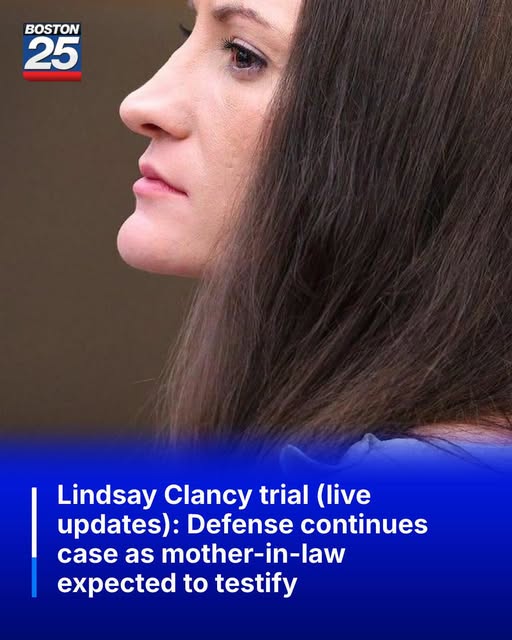
The Lindsay Clancy murder trial has entered a critical final stage, with newly presented testimony giving jurors a much closer look at Clancy’s mental health in the months before the deaths of her three children. Her defense argues that she was suffering from severe postpartum psychosis and should not be held criminally responsible, while prosecutors maintain that the killings were deliberate.
One of the most emotional developments came when Clancy’s mother, Paula Musgrove, took the stand. She told jurors that her daughter’s behavior had deteriorated significantly in late 2022. Musgrove described anxiety, paranoia, suicidal thoughts and statements suggesting Clancy was afraid she might harm her children.
Musgrove also testified that Clancy complained that her medication was affecting her mind and told her family she was struggling to feel like herself. Her sister, Allison Osga, provided additional testimony about Clancy’s worsening condition, giving the defense more evidence to argue that the tragedy was connected to a severe psychiatric crisis.
Then came a major expert-witness development. Forensic psychiatrist Dr. Phillip Resnick testified for the defense and said he believed Clancy was experiencing psychosis when she killed her children. He argued that she was unable to properly control her actions or understand their consequences at the time.
But prosecutors have presented a sharply different interpretation. Their experts have argued that Clancy suffered from depression and anxiety but found no convincing evidence of bipolar disorder or psychosis immediately before the killings. Prosecutors have also pointed to her actions and internet searches as evidence that they say demonstrate planning and awareness.
Another new point raised during the defense case concerns Clancy’s medical treatment. A defense psychiatrist criticized the medical records as incomplete and noted that certain blood tests that could have examined thyroid or hormonal issues were never performed. The defense says these gaps make it harder to understand exactly what was happening to Clancy psychologically and physically.
Now the trial is approaching its decisive moment. The defense has rested its case, prosecutors have begun presenting rebuttal witnesses, and closing arguments are expected soon. The jury will ultimately have to decide whether Clancy is criminally responsible for the deaths or whether her mental illness made her legally not responsible.