The Teenager Who Defied Severe Lymphedema: A Remarkable Surgical Journey in Mumbai
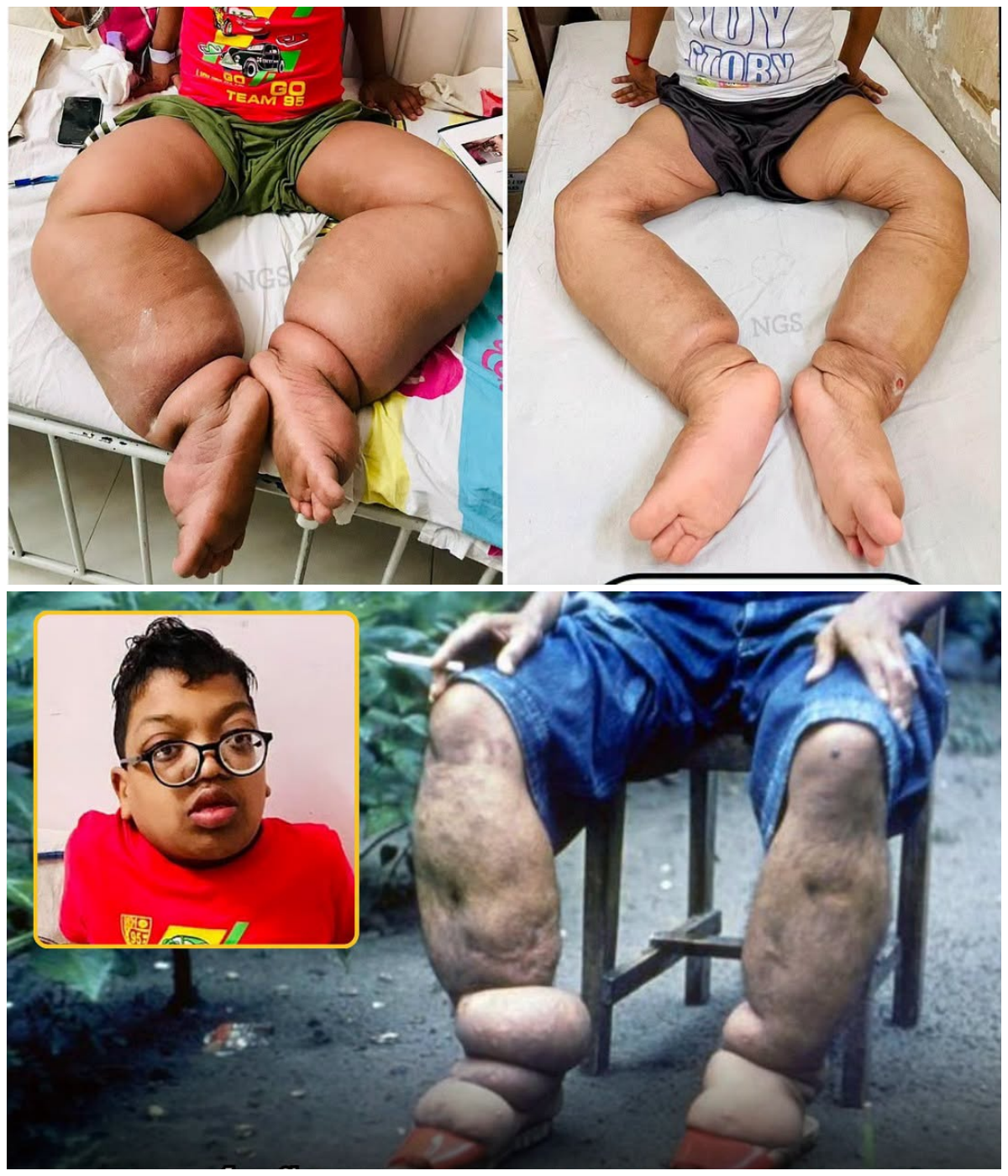
Mumbai, India — At just 17 years old, Puraw Vira had spent years watching a condition in his legs progressively take away his independence. What began as swelling in his feet and ankles when he was around eight gradually spread upward to his legs, thighs and groin, eventually becoming so severe that he was unable to move normally and, at one point, was confined to bed.
Puraw’s case was linked in reports to Noonan syndrome, a rare genetic disorder that can be associated with abnormalities of the lymphatic system. Medical literature confirms that lymphatic complications—including lymphedema—can occur in people with Noonan syndrome.
A Condition That Progressively Changed His Life
The swelling was not simply a cosmetic problem. As the lymphatic system struggles to drain excess fluid, tissue can gradually become enlarged, heavy and difficult to move. In Puraw’s case, the swelling eventually affected both lower limbs and the groin.
According to reports, he also experienced recurrent infections in his legs that required repeated hospital treatment. By April 2021, he had reportedly been bedridden for more than a month and needed assistance from his family for basic daily activities.
His condition was diagnosed as primary lymphedema, a disorder caused by abnormalities in the development or function of the lymphatic system. Unlike ordinary temporary swelling, primary lymphedema can be chronic and may become progressively disabling.
An Advanced Microsurgical Approach
Doctors at Bai Jerbai Wadia Hospital for Children in Mumbai decided that Puraw required specialized treatment.
Rather than simply removing excess tissue, the surgical team performed vascularized lymph node transfer (VLNT) on both lower limbs. This is an advanced microsurgical technique in which healthy lymph nodes, together with their blood supply, are transferred from another part of the body to the affected limb.
The goal is to establish or improve lymphatic drainage and help the body manage the accumulation of lymphatic fluid.
The operation reportedly lasted approximately six hours. Puraw was discharged about 10 days later, and doctors observed a significant reduction in the swelling of both legs.
Importantly, the procedure was not described as a permanent “cure.” Lymphedema remains a complex chronic condition, and long-term management can still be necessary. His family was instructed to continue manual lymphatic drainage, a specialized massage technique used to encourage lymph movement.
From Bedridden to Back at School
The results nevertheless represented a dramatic improvement in Puraw’s daily life.
Before treatment, the enormous weight and swelling of his legs had made ordinary movement extremely difficult. After surgery, reports said he was able to stand, walk and become active again.
His mother later described an especially meaningful milestone: Puraw returned to school. According to the report, he was able to climb the stairs to his classroom on the second floor without assistance.
For a teenager who had once depended on his family for basic activities, being able to walk independently represented far more than a medical improvement. It meant a return to school, greater independence and the opportunity to participate in everyday life again.
What Noonan Syndrome Has to Do With the Lymphatic System
Noonan syndrome is a genetic condition affecting multiple systems of the body. While its characteristic features can include distinctive facial features, short stature and congenital heart disease, researchers have also increasingly recognized abnormalities of the lymphatic system among affected patients.
Studies have documented a range of lymphatic complications in Noonan syndrome, including lymphedema and abnormalities involving lymphatic vessels and drainage pathways.
This connection helps explain why severe lymphatic disease can sometimes become part of an individual’s clinical picture. However, it is important not to describe the treatment as a “genetic reconfiguration.” The surgery did not alter or repair Puraw’s genes. Instead, it was a reconstructive microsurgical procedure designed to improve lymphatic drainage.
A New Chance at Independence
Puraw’s story illustrates how a rare and debilitating lymphatic disorder can profoundly affect a young person’s mobility, education and independence—and how specialized reconstructive surgery can make a meaningful difference.
The case also highlights the importance of recognizing severe lymphedema as a medical condition rather than merely an unusual physical appearance. For patients whose limbs become massively swollen, treatment may require highly specialized teams involving plastic and reconstructive microsurgeons, vascular specialists and other medical professionals.
In Puraw’s case, the combination of advanced microsurgery and continued lymphatic care helped transform his situation: from a teenager who had been unable to walk normally to a young student who could once again move around independently and return to school.
His journey is a powerful reminder that, even when a chronic condition cannot simply be erased, restoring mobility and independence can change a person’s entire life.
Sources: Free Press Journal