A Sparkle in Her Heart: How Sadie Rutenberg Became the First U.S. Child to Receive the World’s Smallest Mechanical Valve
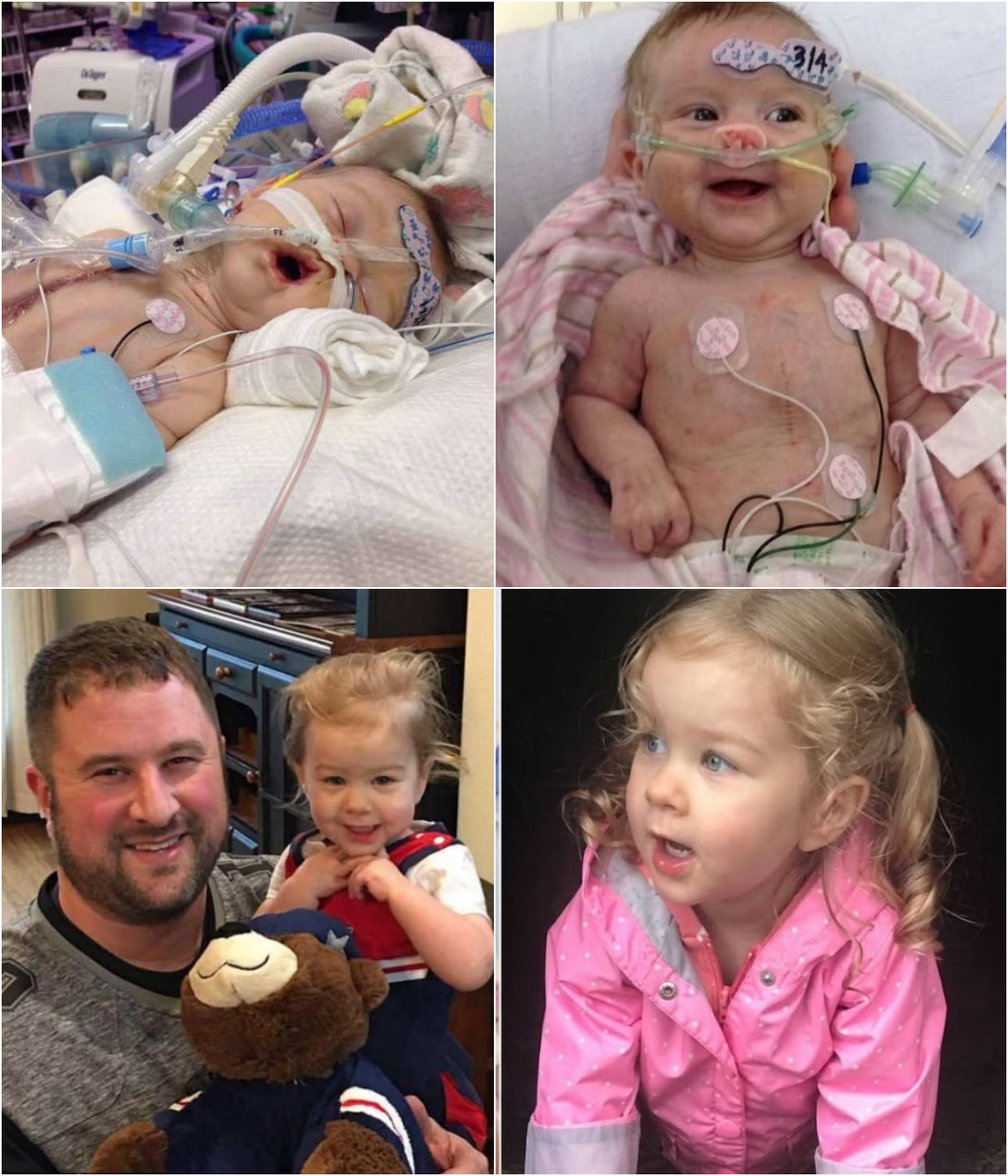
When Sadie Rutenberg was born in Seattle on November 11, 2014, her parents already knew something was wrong. An ultrasound at 20 weeks had shown that the walls between the chambers of her heart were not forming as they should. After delivery the diagnosis was complete atrioventricular canal defect: a large hole in the center of the heart and valves that had never grown correctly. Blood mixed where it should have been kept apart. The infant began to fail.
Two open-heart operations in her first months could not repair what was missing. She slipped into heart failure, spent long stretches on a ventilator in the cardiac ICU, and was too small and too sick for a transplant. Surgeons at Seattle Children’s Hospital told Lee’or and Wendy Rutenberg there was one remaining option — and it was experimental. Abbott had built a mechanical mitral valve only 15 millimeters across, about the size of a dime. It had not yet been approved by the Food and Drug Administration. Sadie would be the first child in the United States to receive it. Wendy later put the choice without ornament: try the valve, or call palliative care and wait.
In May 2015, when Sadie was about six to eight months old, Dr. Jonathan Chen implanted the Masters HP 15-mm rotatable valve. When he came out of the operating room he was almost offhand. Everything had gone well, he said. Watch her take off now. She did. Heart function improved almost immediately. She went home at eight months. The family would say the device put “a sparkle” in her heart — the phrase Sadie herself later used for what Dr. Chen had done.
The valve was not a one-time cure. Mechanical leaflets require lifelong blood thinners to prevent clots. A growing child outgrows a 15-millimeter ring. Sadie needed further open-heart operations, including a valve replacement, and a pacemaker. In March 2018 the FDA approved the pediatric valve that her case had helped prove. By then she was a blond, blue-eyed three-year-old who looked, her father said, as if none of it had happened: vibrant, playful, more energy than the adults in the room.
Years later Abbott described her as a girl who likes pink and penguins — still the first U.S. child in that trial, now old enough to talk about the sparkle in her chest. The toddler in the pink raincoat was never only a medical first. She was the reason her parents accepted a device no American child had carried before. Every later ordinary afternoon — exploring, climbing, laughing — is the result of that decision.
The little girl who once fought for every heartbeat grew into a child who spends those heartbeats on the world around her.
Sources
- The Washington Post, “This 3-year-old has ‘a sparkle’ in her heart: The world’s smallest mechanical heart valve” (April 11, 2018)
- People, interview with Lee’or Rutenberg (April 2018)
- ABC News; KING 5; KIRO 7 Seattle coverage of the Seattle Children’s / Abbott trial
- Abbott Newsroom patient story (updated as Sadie grew)
- Seattle Children’s Hospital statements on the Masters HP 15-mm valve and FDA approval (March 2018)