BABY MAKES MEDICAL HISTORY AS THE FIRST TO RECEIVE BOTH A NEW HEART AND THYMUS
BABY MAKES MEDICAL HISTORY AS THE FIRST TO RECEIVE BOTH A NEW HEART AND THYMUS
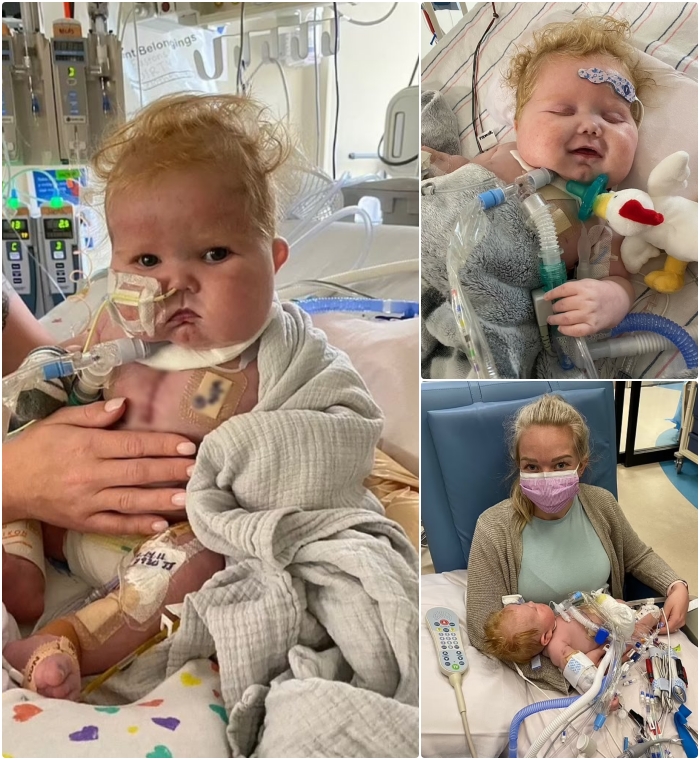
Easton Sinnamon spent his first months of life in a hospital, born with a heart that could not keep up and an immune system that could not protect him.
He needed operation after operation. Infections kept coming because his body could not fight them. At Duke University in the United States, his doctors asked for something that had never been tried together in a human being: a heart transplant paired with thymus tissue from the same donor.
The thymus is a small gland in the chest that trains T cells — white blood cells that decide what belongs in the body and what does not. After a normal organ transplant, those cells often treat the new organ as an invader. Patients then take immune-suppressing drugs for life, which protect the graft and leave them open to infection and other damage, especially to the kidneys.
The idea was elegant and untested in this combination. If heart and thymus came from the same person, the rebuilt immune system might learn the new heart as “self.”
Regulators approved the experiment. At six months old, Easton received the heart. Two weeks later, surgeons implanted cultured thymus tissue. By his first birthday he was described as thriving. Tests showed his body beginning to make the infection-fighting cells he had lacked.
He still needs monitoring. The hope is that, in time, the anti-rejection drugs can be reduced or stopped — the “holy grail” transplant teams have talked about for decades: tolerance, not lifelong suppression.
Dr. Joseph Turek, Duke’s chief of pediatric cardiac surgery and a member of the team, said the approach could change solid-organ transplantation if later cases confirm it. “This concept of tolerance has always been the holy grail in transplantation, and we are now on the doorstep,” he said. Thousands of patients, he added, might one day benefit.
Easton’s mother, Kaitlyn Sinnamon, remembered the choice as larger than one baby. The procedure might help him. If it worked, it might help other people’s children too. “Why would we not do it when we can make a difference for all these other people?”
One infant. Two organs. A question medicine has asked for generations — and, for the first time, a child living the beginning of an answer.
Source: Duke Health; statements from Dr. Joseph Turek and Kaitlyn Sinnamon regarding Easton Sinnamon’s 2021 combined heart transplant and cultured thymus implantation.