Seven Months of Silence: Is the Nancy Guthrie Investigation Closer to a Breakthrough Than Anyone Knows?
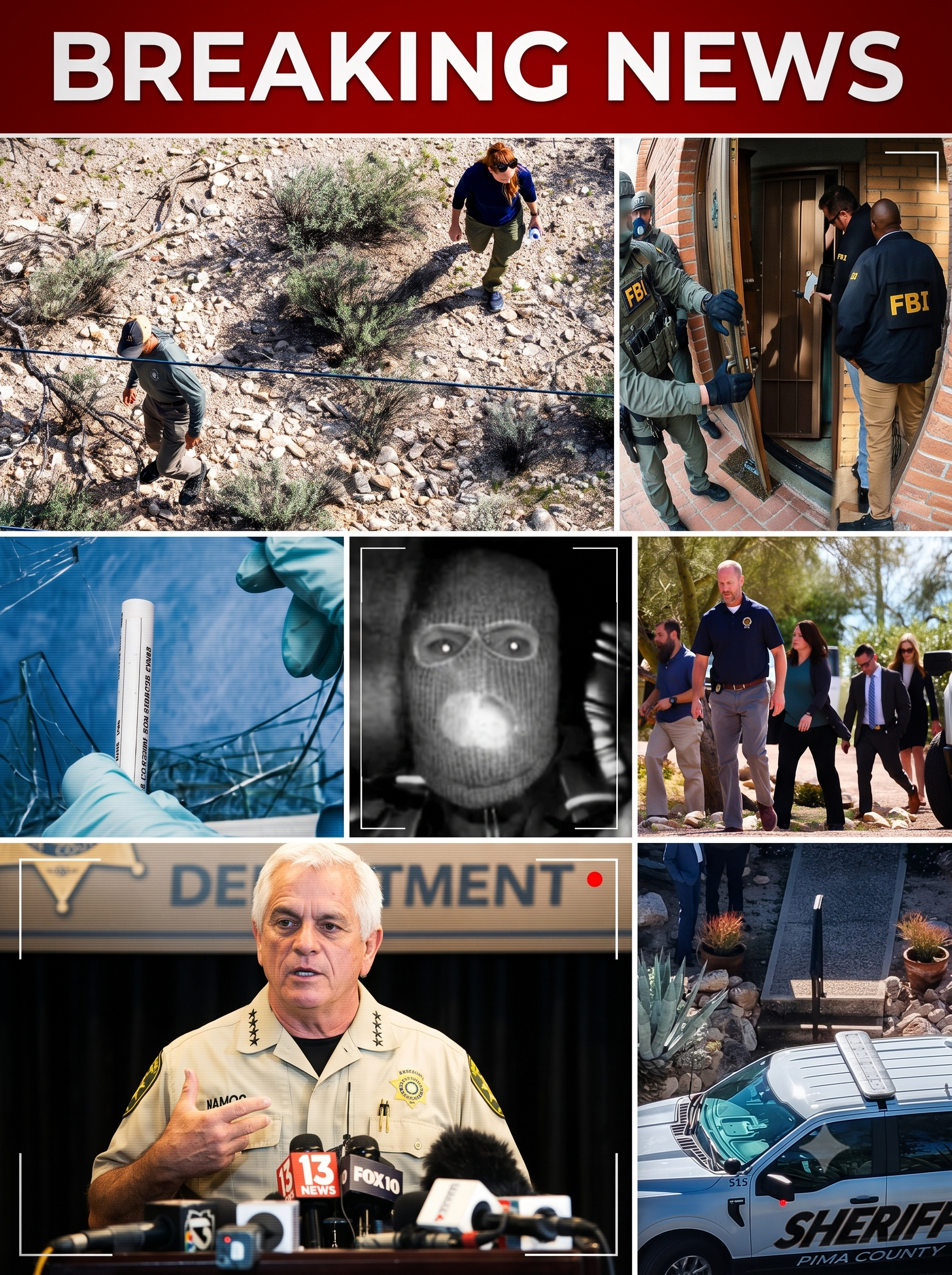
More than seven months after 84-year-old Nancy Guthrie disappeared from her Tucson-area home, one of the most closely watched missing-person investigations in the United States remains unresolved. There has been no public arrest. No suspect has been officially identified. Nancy has not been found. And authorities have not publicly confirmed that she is dead.
Yet investigators insist the case is not cold.
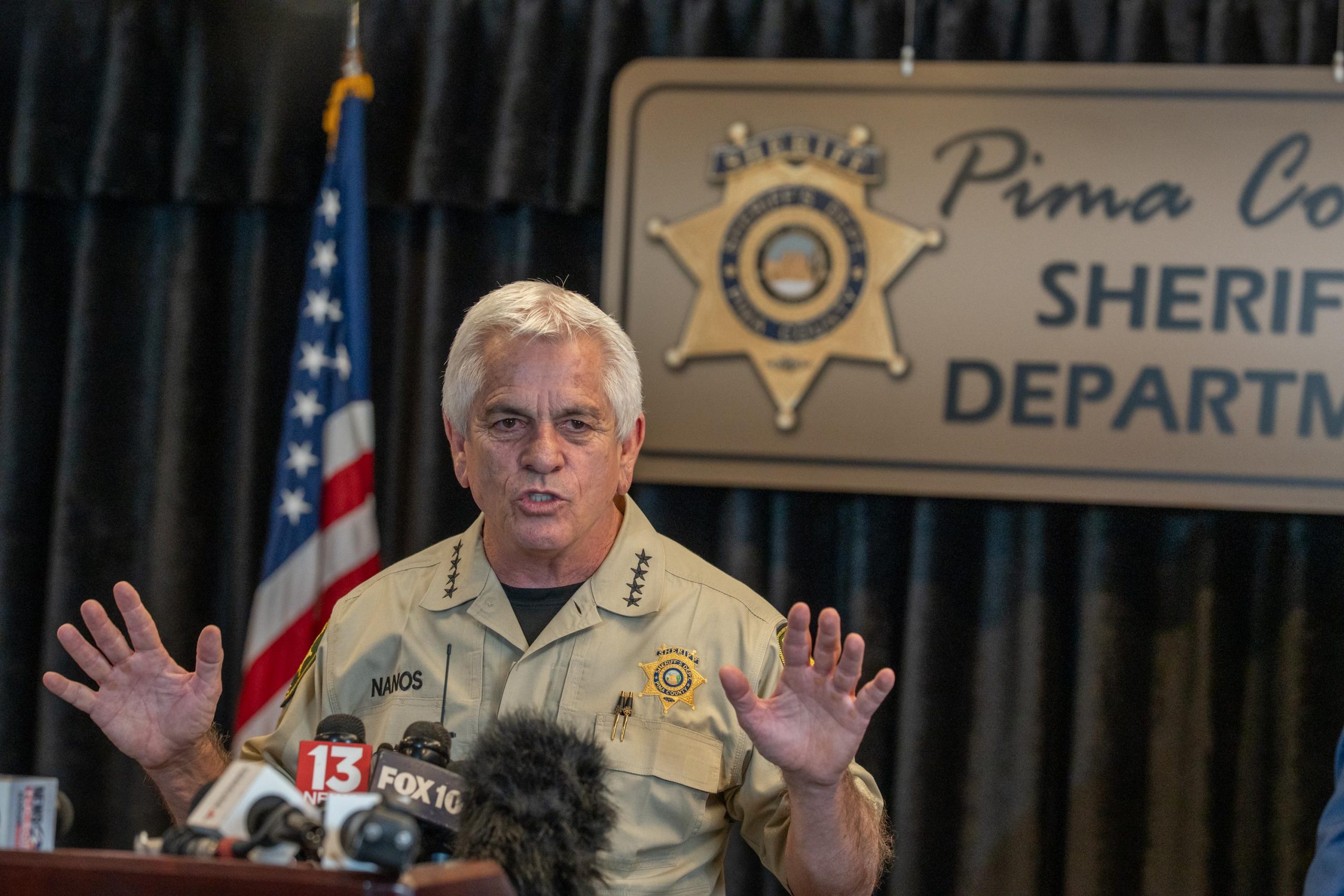
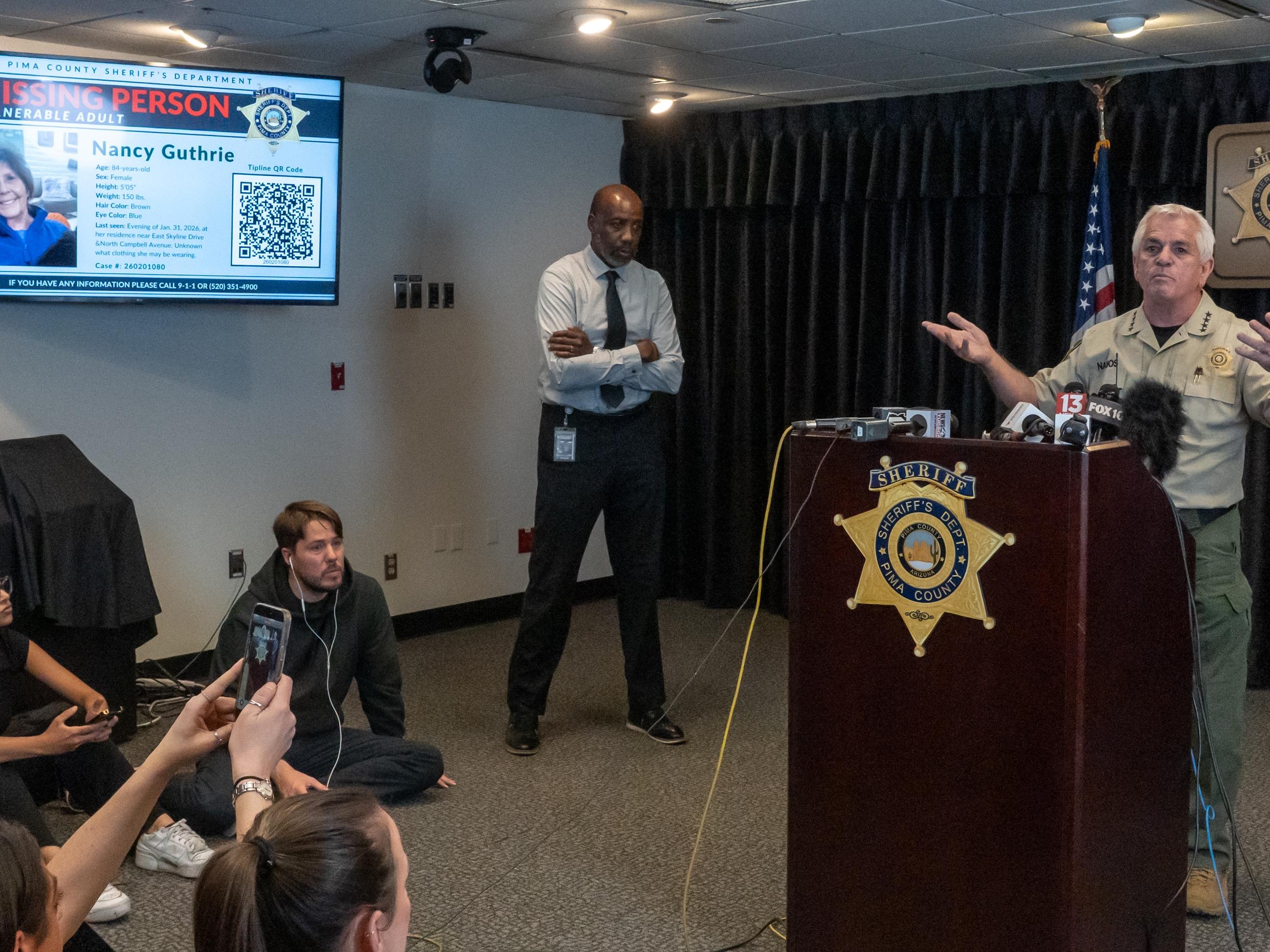
That distinction has become one of the most important developments in the investigation as September begins. The Pima County Sheriff’s Department says it remains fully committed to the case and continues working with the FBI. DNA and video evidence are still being analyzed, with laboratories around the country assisting investigators. Tips are still coming in and being reviewed.
So why has the public heard so little?
That question is now at the center of growing speculation surrounding Nancy’s disappearance.
Retired FBI agent Scott Augenbaum recently offered an explanation that may be both reassuring and frustrating. He emphasized that an investigation becoming quiet does not necessarily mean investigators have run out of ideas. In his experience, law enforcement can deliberately keep a case tightly guarded when they are trying to protect evidence, develop a suspect or avoid compromising investigative strategies.
In other words, the silence could mean almost anything.
It could mean investigators still have no clear suspect.
It could mean they have narrowed their focus but do not yet have enough evidence to act.
Or it could mean a potential suspect is already somewhere in the investigative file, with authorities quietly trying to build the case needed to make an arrest.
There is no public evidence establishing which of those scenarios is true.
But the possibility that investigators may know more than they are saying has inevitably raised questions.
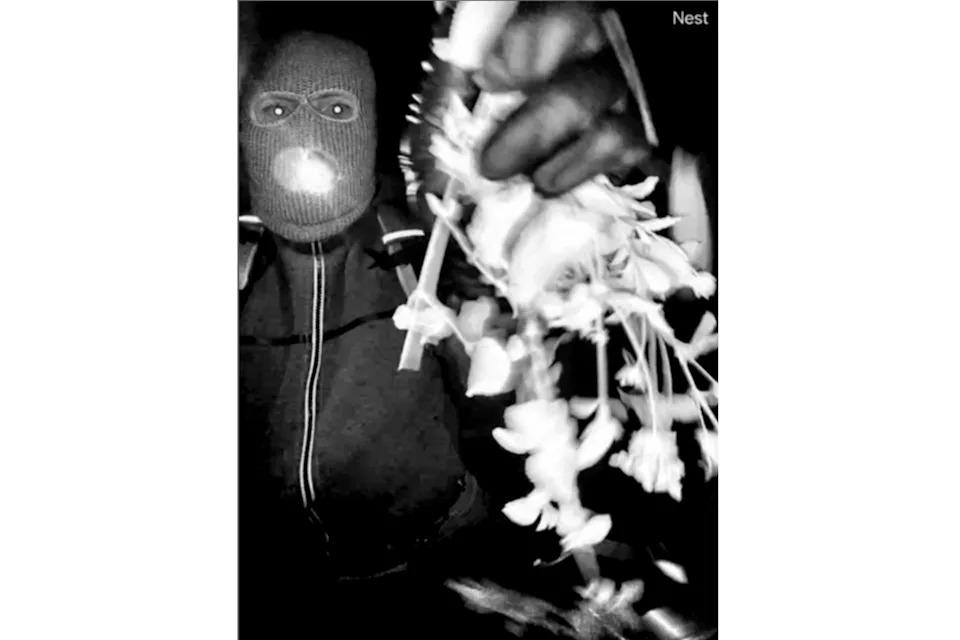
Nancy disappeared from her Catalina Foothills home after being last seen around the end of January and the beginning of February. Authorities believe she was abducted. One of the most significant pieces of publicly released evidence is surveillance footage showing a masked individual near her home around the time she disappeared. The footage became one of the defining images of the investigation, but months later, authorities have not publicly announced that the person shown has been identified.
That creates an extraordinary situation.
Investigators have a face partially concealed by a mask.
They have video.
They have forensic evidence.
They have digital information.
They have tips.
They have ransom communications.
And they have a family willing to offer a major financial reward.
Yet there is still no publicly announced suspect.
The DNA evidence has become particularly important. Earlier in the investigation, authorities were reportedly examining biological evidence recovered from Nancy’s home, including hair. But a later update from the sheriff’s office indicated that testing on hair found at the home did not point to a suspect. Meanwhile, broader DNA analysis remains ongoing.
That is a crucial distinction.
It does not mean DNA evidence is useless.
It means the testing performed so far has not publicly produced the breakthrough investigators hoped for.
Forensic science can be powerful, but DNA does not automatically identify a perpetrator. A sample may be too small, mixed with another person’s DNA, degraded or belong to someone who has a legitimate reason for being in the home. Even when investigators obtain a usable profile, identifying a person is only one step. Prosecutors ultimately need evidence connecting that person to the crime.
That may explain why authorities have remained cautious.
The same caution has surrounded the ransom messages.
Over the course of the investigation, several communications were presented as possible ransom demands. Some contained disturbing claims about Nancy’s fate. One message demanded millions of dollars in cryptocurrency. Another purported message claimed Nancy had died.
But the FBI later clarified that some ransom-related communications were determined to be illegitimate extortion attempts, while other communications remained under investigation. The federal agency continued to describe the case as a kidnapping-for-ransom investigation.
That development changed how every subsequent message had to be viewed.
A ransom note is not necessarily evidence of a kidnapping if its author is simply attempting to exploit a family’s desperation.
The case demonstrated exactly how vulnerable a high-profile disappearance can become to people seeking attention, money or information.
Derrick Anthony Callella became the clearest example.
The 42-year-old California man admitted contacting Nancy’s family with fake ransom-related communications. He pleaded guilty to two counts of harassment using a telecommunications device. On August 31, he was sentenced to 10 years of probation through concurrent five-year terms.
But his punishment should not be confused with progress in the kidnapping investigation.
Callella’s case answered one question: who sent those particular fake communications?
It did not answer the question that matters most.
Where is Nancy Guthrie?
The investigation also faced another wave of public attention when human remains were discovered in the Tucson area. Because of the enormous search for Nancy, such discoveries inevitably triggered speculation. But authorities said there was no indication that the remains were connected to her disappearance.
Again, the case produced uncertainty rather than closure.
Nancy’s family remains caught between hope and fear.
Her daughter Savannah Guthrie has repeatedly appealed to the public for information. The Guthrie family has offered a $1 million reward, while the FBI has separately offered up to $100,000. Local reporting now describes the combined reward as approximately $1.2 million.
That amount of money raises an obvious question.
If someone knows what happened, why have they not come forward?
The answer could be fear.
It could be loyalty.
It could be guilt.
It could be a lack of confidence in what they know.
Or it could simply be that the person who holds the key to the case has never realized how important their information might be.
That is why investigators continue asking for even apparently minor details.
A vehicle.
A strange conversation.
An unusual purchase.
A piece of surveillance footage.
A person behaving differently after Nancy vanished.
Any one of those details could potentially become important when combined with evidence already in investigators’ possession.
For now, however, the public is left with a mystery.
The sheriff’s department says the case is active.
The FBI remains involved.
DNA and video analysis continue.
Tips continue to arrive.
But Nancy remains missing.
And no public suspect has emerged.
The biggest question may therefore be not whether investigators are working, but what they are waiting for.
Are they waiting for forensic results?
Are they trying to identify the masked figure?
Are they quietly building a case against someone?
Or are they still searching for the first truly decisive clue?
Nobody outside the investigation can say.
That uncertainty is precisely what makes the case so haunting.
Seven months is a long time for a family to live without answers. But from a law-enforcement perspective, seven months does not automatically mean the end.
A case can remain active while evidence is analyzed, tips are evaluated and investigators wait for a connection that has not yet appeared.
Nancy Guthrie is still missing.
Her fate remains officially unresolved.
And until investigators reveal more, one uncomfortable possibility remains open: the biggest clue in this case may already exist somewhere in the evidence—but nobody has yet figured out how to connect it to the person responsible.