A STOLEN ARMY TRUCK. A HIGHWAY THAT WOULD NOT STOP HIM. AND A CHASE MARYLAND HAD NEVER SEEN.
On the morning of May 26, 2023, Michael Stevens walked out of the Harford County Detention Center a free man, at least on paper. The 38-year-old had posted bail on a theft charge. By nightfall, he would be at the center of one of the most unusual vehicle pursuits local deputies had ever recorded.
Not far from the jail, a 1986 five-ton military cargo truck sat in a private driveway. The vehicle had been built for the U.S. Army. Despite the “five-ton” name, the truck itself weighed more than ten tons. The rating referred to off-road cargo capacity, not curb weight. It had no conventional ignition key. Switches started it. The doors did not lock in the way a civilian pickup does. Stevens approached it, started it, and began to leave.
The owner came out of the house, heard the engine, and realized a stranger was behind the wheel. He ran to the driveway, jumped onto the running board, and shouted for the man to get out. Stevens pulled forward into traffic, swerved to shake him off, and then drove toward him. The owner dropped away. The truck was gone.
Deputies soon had a description: a large green Army-style cargo truck rolling through Harford County. Radio traffic filled with questions. Which way did he go. Did anyone see a big green truck. Units began to form up as the vehicle moved toward major roads, including approaches to Interstate 95.
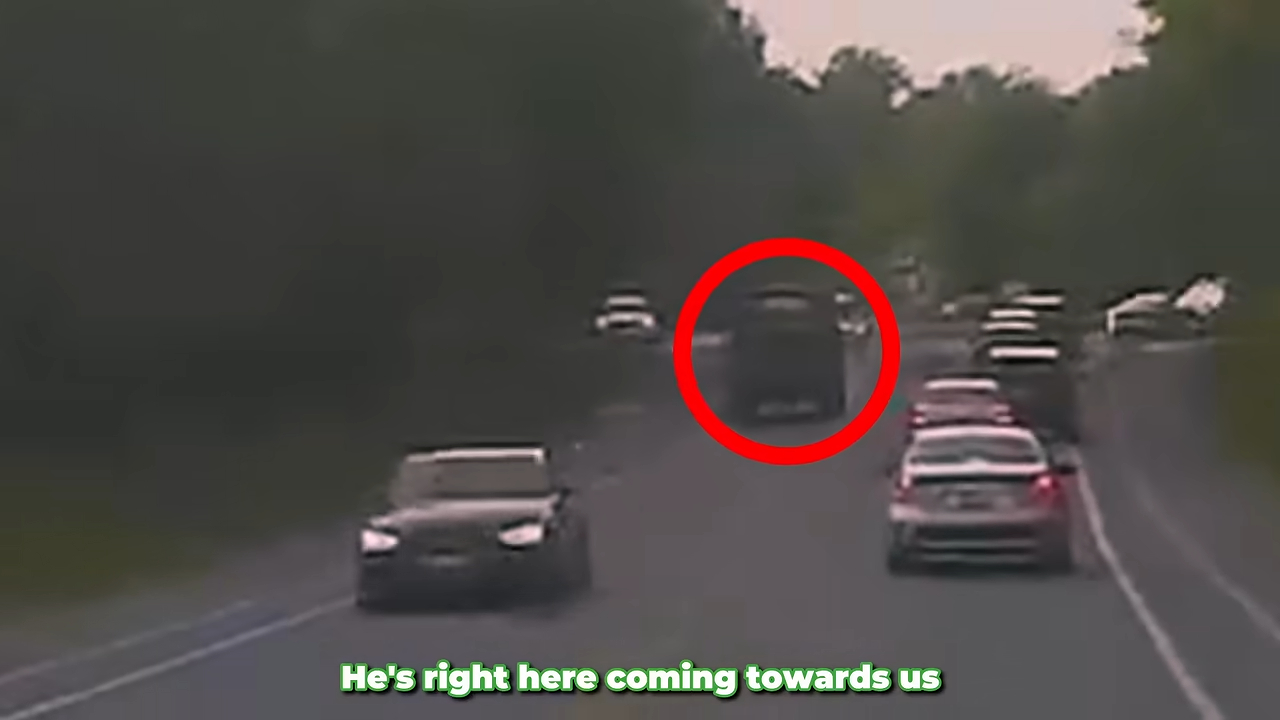
What followed was not a typical stolen-car chase. The truck was designed to keep moving over rough ground even when damaged. Heavy frame, high-torque drivetrain, oversized reinforced tires. Stop sticks went down on the pavement. Deputies called for units ahead on 95 south past Exit 152. They warned one another about debris falling from the rear. They tried to slow civilian traffic so spikes could be deployed without putting other drivers in the path of a machine that would not stop easily.
At one point officers believed the truck had hit a set of stop sticks. A front tire, perhaps an inner dual, looked down. It did not matter enough. The vehicle still had multiple tires and kept going. Dispatch asked about possible destinations. Stevens lived in Abingdon, but he was not heading home in any simple way. Units were told to watch themselves. He was cutting across lanes. Officers on the sticks were warned he might come at them. Get out of the road.
The pursuit stretched across interchanges—152, 695, White Marsh, mile markers called out over the radio. Then the tone changed. Deputies reported a rifle hanging out a window. Units eased off. A helicopter held the visual from above. Ground units followed at a distance as the truck left the interstate and entered a residential neighborhood.
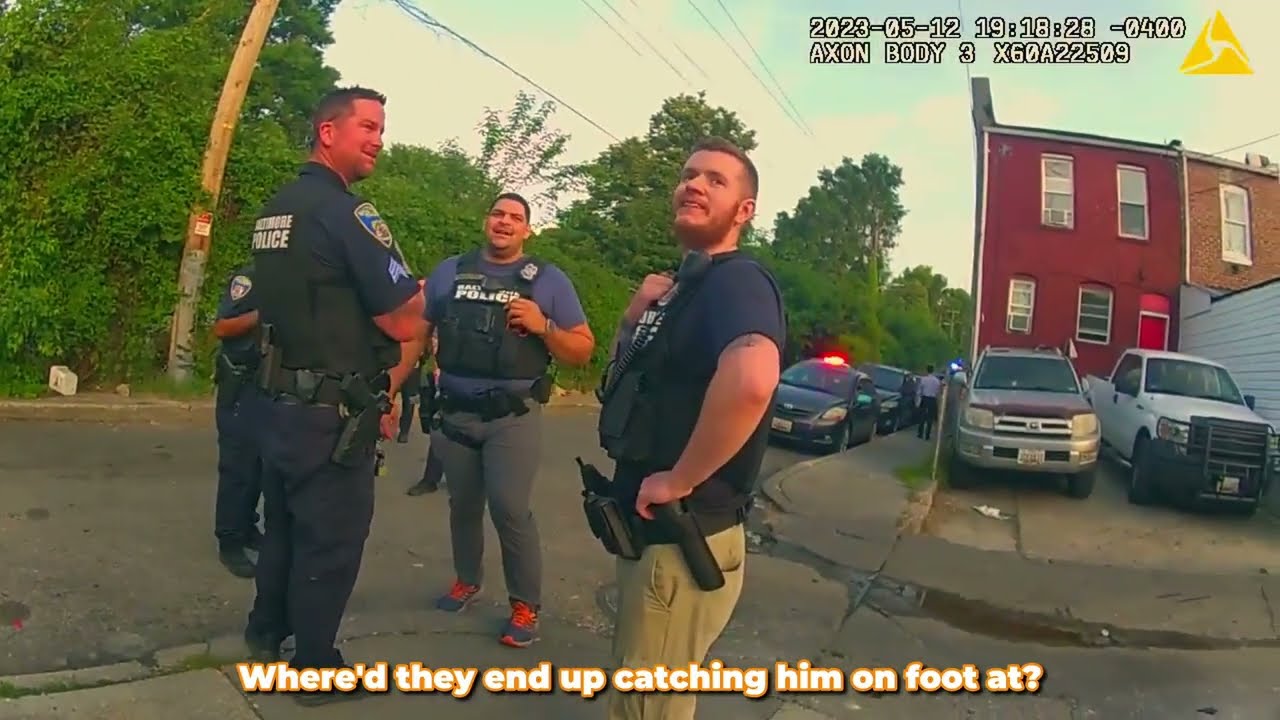
When the driver slowed for a left turn at a light, deputies closed again. Commands piled on top of one another. Stop. Drop it. Stop reaching. Stevens left the truck and ran. He did not get far. Officers cut him off near the mouth of an alley, short of a return to I-95. He was taken into custody.
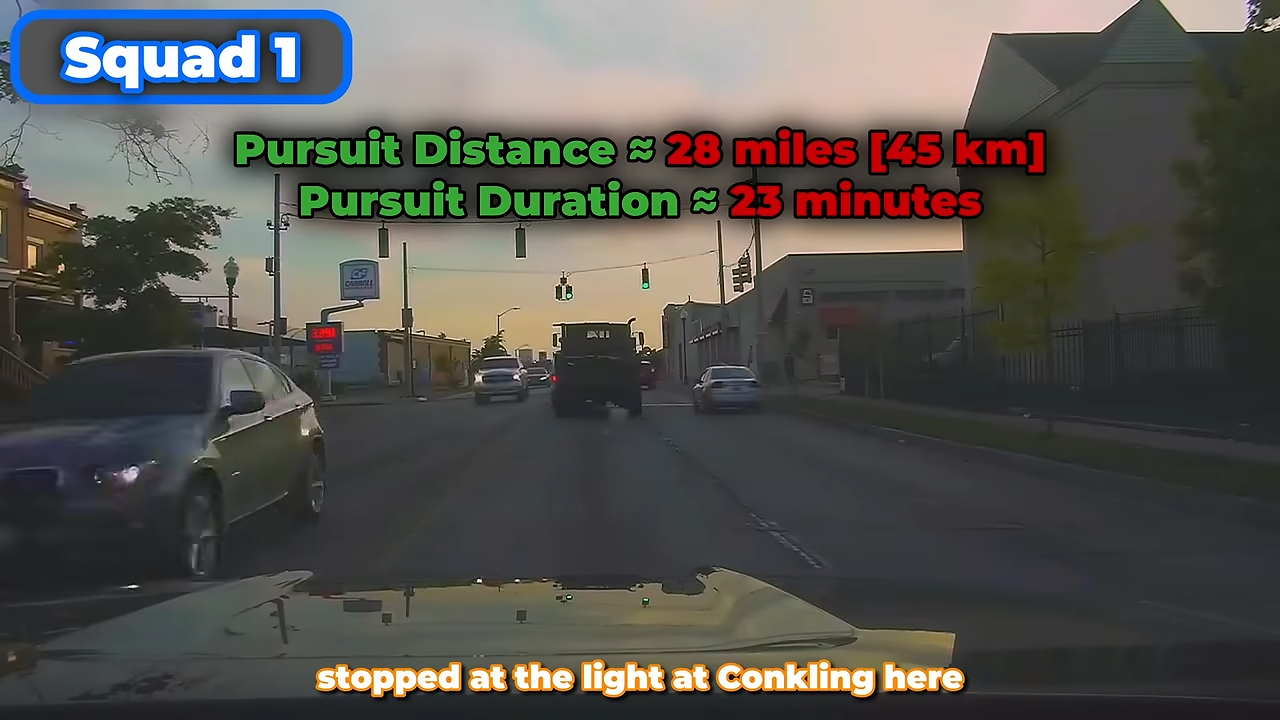
No rifle was found in the truck. Deputies said they had seen what looked like a long gun during the chase; a search did not produce a weapon. Stevens was charged with first-degree assault, felony theft, and fleeing and eluding, among other counts. The military vehicle was returned to its owner. No bystanders were reported injured.
Body-worn cameras captured the radio chatter, the spike deployments, the final takedown, and an oddly human coda: while officers secured the suspect, another deputy could be heard talking to a K-9 as if the dog were the only calm thing on the scene. Court records later showed Stevens was sentenced to ten years in prison. The video, released by Midwest Safety, turned a local pursuit into a widely watched record of how a jail-release morning became a rolling confrontation with a machine built for war, not suburban asphalt.