WHY STOP STICKS FAILED, WHY UNITS BACKED OFF, AND HOW A MILITARY TRUCK BECAME A SUBURBAN PURSUIT.
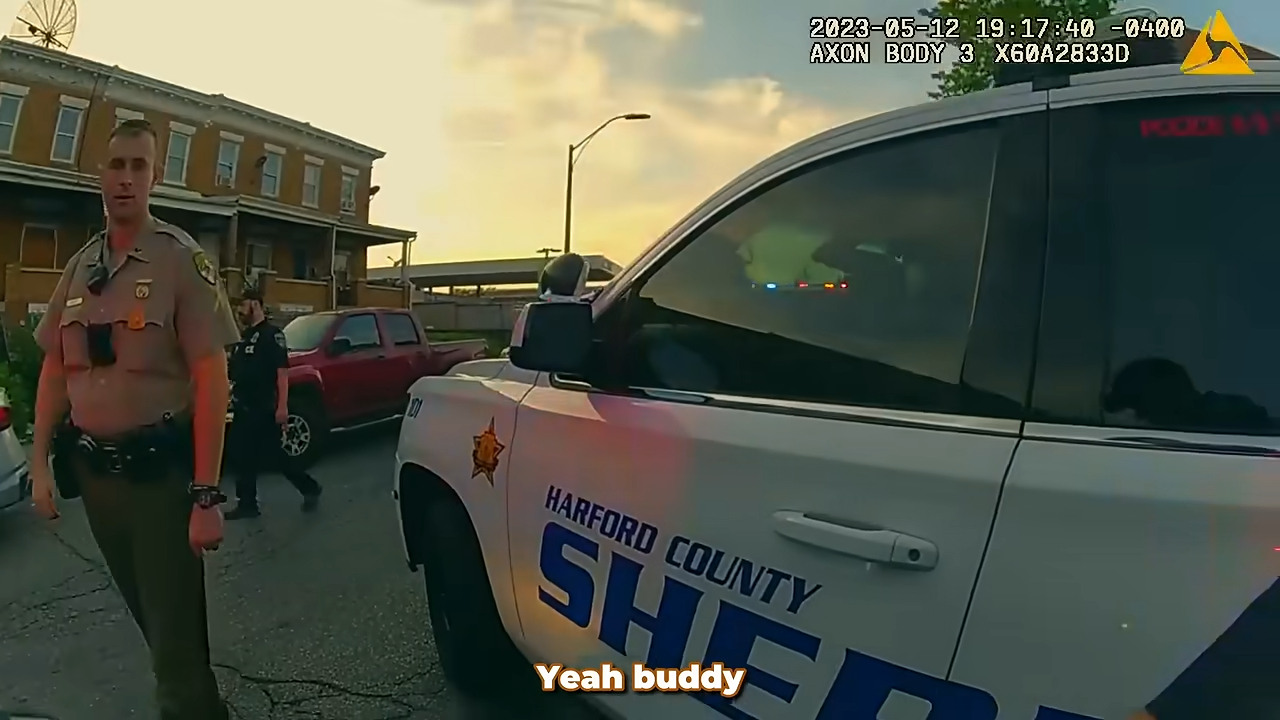
Police chases usually end when tires go flat or a PIT maneuver spins a sedan. The Harford County pursuit of May 26, 2023, did not follow that script, because the stolen vehicle was never a sedan.
The truck was a 1986 U.S. Army five-ton cargo vehicle in private hands. Commentators who later narrated the bodycam release made a point of the naming confusion. “Five-ton” is a payload figure for off-road work. The truck itself is a heavy, high-clearance machine with a frame and suspension built to survive abuse. Torque, not highway grace, is the design goal. Oversized tires are meant to keep turning on broken ground.
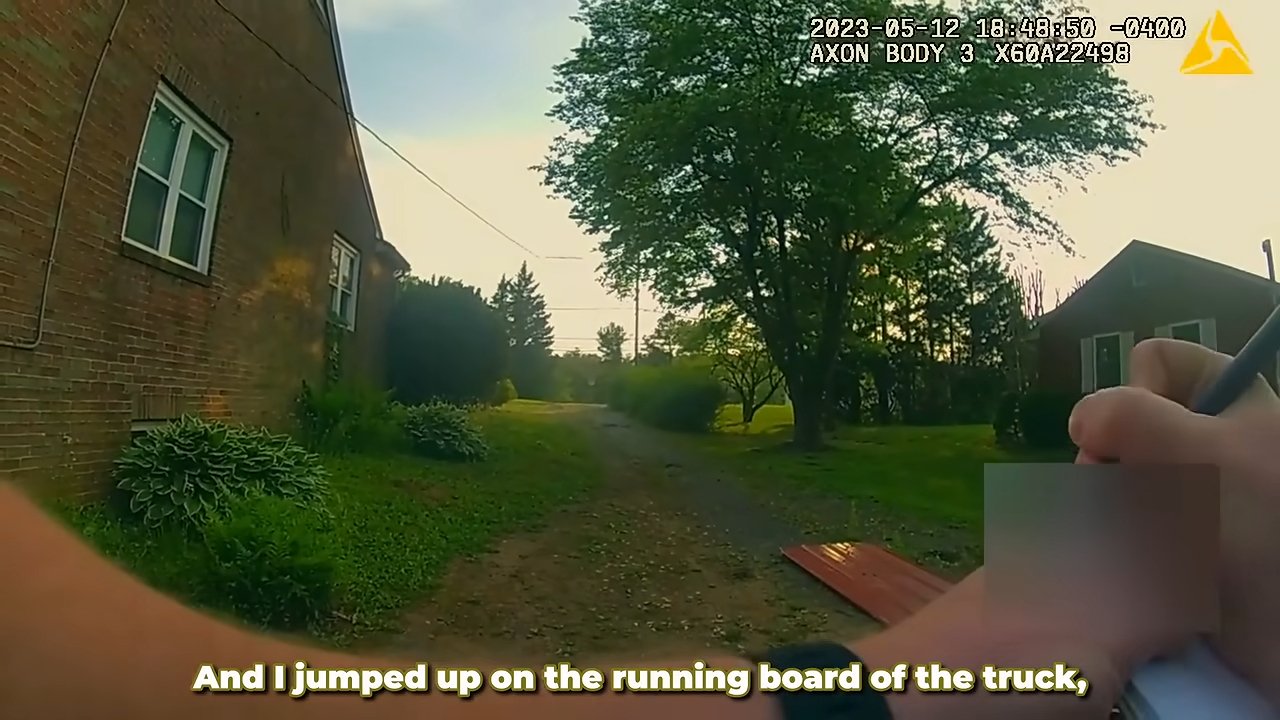
Michael Stevens, 38, had been released that same day from the Harford County Detention Center after posting bail on a theft case. He encountered the truck in a driveway, started it, and drove off after the owner tried to pull him out of the cab from the running board. Deputies inherited a problem that looked, on a map, like any other stolen-vehicle call and, on the pavement, like something else.
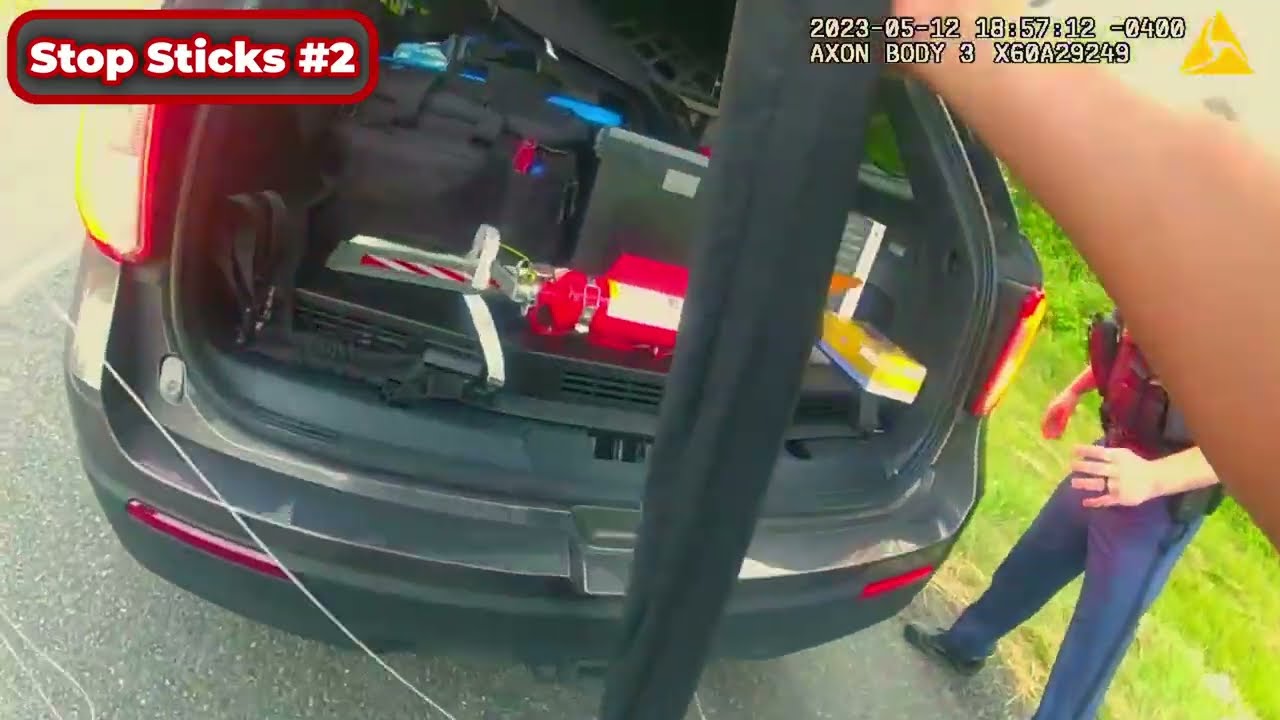
The bodycam audio is a study in improvisation. Units wanted someone on 95 south at 152 with stop sticks in case the truck entered the interstate. They wanted traffic slowed. They did not want the truck to strike another car. When sticks went down, the truck jammed toward the shoulder and kept moving. Officers debated whether a strike had occurred. One tire may have been down. The truck still had enough rubber to continue.
That is the first reason the chase lasted. The second reason arrived later, when deputies reported a rifle visible at a window. Standard closing tactics became a liability. Units eased off. A helicopter kept eyes on the vehicle. The ground convoy followed farther back as the truck left the interstate and dropped into a residential grid. Only when the driver slowed for a turn did officers close the gap again.
The final minute of the vehicle portion is a wall of commands: unlock, right here, he’s going back out toward Route 40, stop, drop it, stop reaching. Stevens abandoned the truck and ran. He was caught before he could reach the interstate again. A search did not produce the rifle that had changed the pursuit’s geometry. Charges still included first-degree assault, felony theft, and fleeing and eluding.
For departments that train on passenger cars, the episode is a case study. Spike strips are a tool, not a guarantee, against dual-wheel military surplus. A reported long gun turns a traffic stop into a stand-off even when the gun later cannot be found. Air support becomes the only safe “close” unit. Neighborhood streets, paradoxically, offered the first real chance to end it, because speed fell and turning created a pause.
Midwest Safety’s release of the cameras and radio traffic also captured the unscripted edge of the scene. After the handcuffs, officers asked where the foot chase ended. At the alley. They asked about a rifle. None. Someone wanted water. In the background, a deputy praised a dog. Court records cited in a later channel update said Stevens received a ten-year sentence. The truck was returned. No civilian injuries were reported. The lesson that travels with the footage is mechanical as much as criminal: some stolen vehicles are not cars, and the road does not automatically win.