163 CHILDREN, THREE ARRESTS AND A WEB OF UNANSWERED QUESTIONS
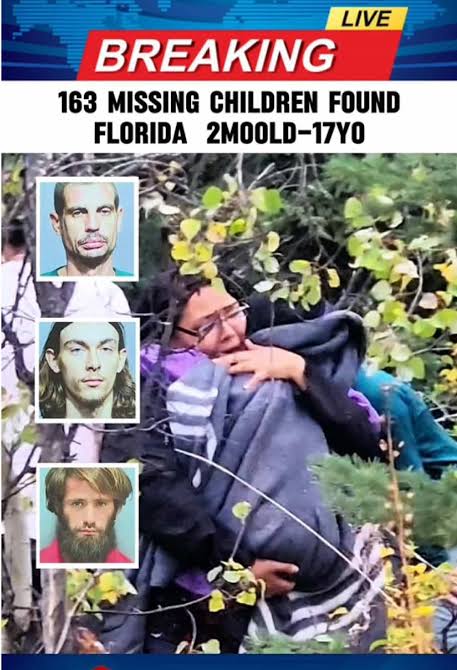
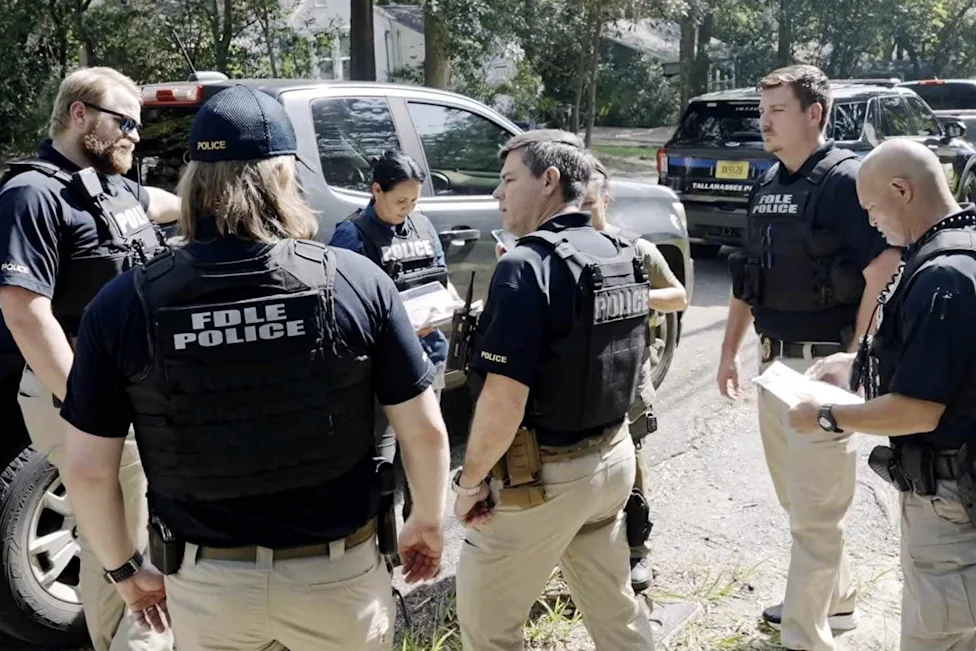
Florida’s Operation Statewide Shield produced a staggering recovery total. But the gap between 163 recovered children and the small number of publicly announced felony cases has fueled questions that investigators may spend months answering.
Florida wanted to find missing children.
It found 163.
The result of Operation Statewide Shield was immediately described as historic, and the scale is difficult to dispute.
During five days of coordinated activity in August, law enforcement agencies located children ranging in age from just two months to 17 years old.
The Florida Department of Law Enforcement and Attorney General James Uthmeier announced the results on August 25, describing the operation as the state’s first statewide child-recovery initiative and the largest such operation in Florida history.
But the announcement also raised a difficult question.
If so many children were recovered under circumstances involving abuse, neglect, exploitation or criminal activity, what happens to the people responsible?
The answer, at least publicly, is still developing.
Officials initially announced three felony cases generated by the operation.
Three.
That does not mean only three investigations exist.
Florida officials have said many more investigations were started and that additional arrests could be expected.
But the contrast between 163 recoveries and the relatively small number of publicly identified criminal cases has understandably generated questions.
Those questions should not automatically become accusations.
A missing-child recovery operation is not the same thing as a mass arrest operation.
Children can be missing for many reasons.
Some run away.
Some are involved in complicated custody disputes.
Some leave unsafe homes.
Some are exploited.
Some experience abuse.
Some are found with people who may not ultimately be charged with a crime.
And some cases may require extensive evidence gathering before prosecutors can act.
Officials have said the circumstances surrounding the 163 children varied.
That nuance is essential.
Still, the operation exposed how difficult the problem of missing and endangered children can be.
The regional figures show the scale.
Tampa Bay: 46.
Miami: 41.
Jacksonville: 32.
Orlando: 21.
Fort Myers: 12.
Pensacola: eight.
Tallahassee: three.
Together, those figures account for all 163 announced recoveries.
But the investigation did not remain inside Florida.
Authorities said the operation also produced locations and recoveries in six other states, one U.S. territory and 12 countries.
That means investigators may have had to coordinate across multiple jurisdictions, legal systems and databases.
It also explains why identifying children and reconstructing their histories can take time.
For the children themselves, authorities created recovery hubs.
These hubs connected children with medical providers, social workers, child-welfare professionals and victim advocates.
That part of the operation may receive less attention than arrests, but it is arguably just as important.
A child rescued from an unsafe situation may need medical treatment.
A teenager may need trauma counseling.
A younger child may need immediate placement in a safe home.
A family may need assistance navigating the child-welfare system.
The rescue does not end when the police report is written.
Then there is the question of accountability.
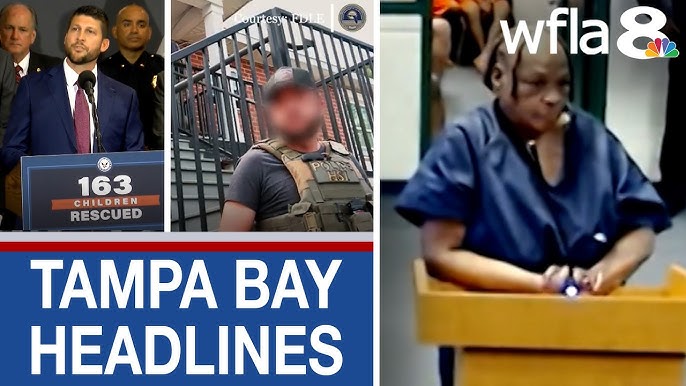
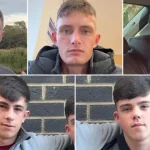
Florida officials have identified three publicly reported defendants connected to the operation.
But social media quickly transformed those individual cases into something much larger.
Images of the suspects were shared alongside claims that they had kidnapped all 163 children.
That is not supported by the evidence.
The cases involved individual alleged offenses, not a single charge covering 163 victims.
This is an important distinction for anyone reporting the story.
Calling the three men “the kidnappers of 163 children” would be inaccurate.
A responsible description is that they were arrested in separate cases connected to the broader operation.
The difference may sound small.
It is not.
False accusations can destroy reputations, interfere with legal proceedings and obscure the actual circumstances of child victims.
The operation also generated a wave of misleading videos.
Some footage circulated online as supposed evidence of dramatic Statewide Shield rescues was actually from unrelated incidents.
That misinformation complicated an already emotionally charged story.
And then came Brazil.
After news spread that children had been located in 12 countries, families of missing children outside the United States began asking whether their loved ones might be among the recovered.
The family of José Arthur Sousa Barros, a missing child from Pará, sought assistance from Brazil’s Federal Police. The family reportedly wanted authorities to explore whether identification methods could establish a connection.
Other Brazilian families also wondered whether their missing children could have been found.
But the latest development has now closed that particular door.
Brazil’s Federal Police said that information received from U.S. authorities confirmed that no Brazilian child was among the 163 recovered in Operation Statewide Shield.
For families such as those searching for Ágatha Isabelly and Allan Michael, that means the search continues.
Brazilian authorities have moved toward international cooperation, including Interpol mechanisms, rather than treating the Florida operation as a breakthrough.
The development also illustrates why official confirmation matters.
A photograph that looks similar is not enough.
A social-media post is not enough.
A viral video is not enough.
When a missing child is involved, identification must be established through reliable investigative procedures.
That is what makes the latest Brazilian clarification significant.
It replaces speculation with a verified answer: none of the missing Brazilian children in question were among the 163 recovered in Florida.
Yet many questions surrounding the 163 themselves remain.
Who were the adults responsible for their care?
Why were some children missing?
How long had some been in vulnerable circumstances?
Were warning signs missed?
Which cases involve criminal conduct?
Which cases require child-welfare intervention rather than criminal prosecution?
And perhaps most importantly:
How many of these children remain vulnerable even after being found?
The operation demonstrated that coordinated law enforcement can produce remarkable results.
But it also demonstrated the limits of a single operation.
Finding children is not the same as solving their cases.
Arresting suspects is not the same as securing convictions.
And recovering a child is not the same as repairing the damage that may have been done.
As of September 14, the confirmed recovery figure remains 163.
No verified announcement has established a larger total.
The Brazilian connection has been ruled out for the children in question.
The publicly announced criminal cases remain a small part of a much larger investigative picture.
And that is why the story is still unfolding.
The headlines may have celebrated the number 163.
But investigators now face the harder task:
turning 163 recoveries into 163 stories that are fully understood, properly protected and, where crimes occurred, followed by real accountability.