Born Without a Nose: Tessa Evans and the Long Construction of a Midface
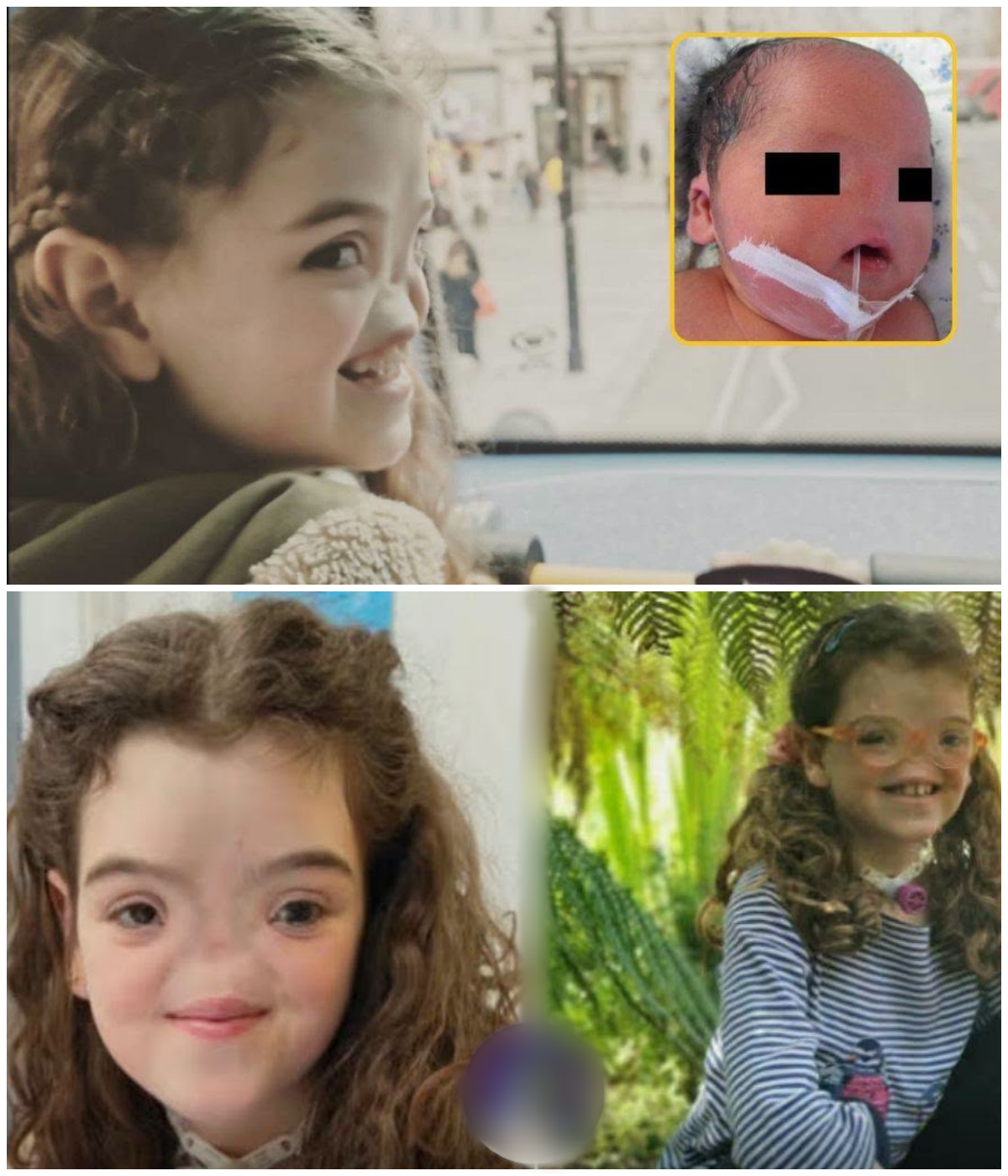
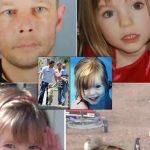
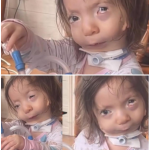
The collage fits the public record of Tessa Evans, born in Maghera, County Londonderry, Northern Ireland, with complete congenital arhinia: no external nose, no nasal cavities, no sense of smell. Fewer than fifty such cases appear in the medical literature. Newborns are obligate nose-breathers; many need a tracheostomy in the first hours. Tessa did. She can sneeze and catch a cold. She cannot smell.
Great Ormond Street Hospital in London offered a staged alternative to waiting until adolescence for a full forehead-flap and rib-cartilage nose. Plastic surgeon Jonathan Britto designed a custom PEEK implant from a 3D print of her skull, inserted through a hairline incision so the face would not be scarred. The first implant went in when she was about two (2015). It lifted the midface and created a nasal bump. Larger implants were planned every couple of years as she grew, stretching skin for a later definitive reconstruction. Medical tattooing of nostril shadows was discussed for the finished shape.
Arhinia is often tied to variants in SMCHD1 (Bosma arhinia microphthalmia spectrum). Eyes, midface bones, and pituitary function can be involved; some children need glasses, as Tessa does in the later photographs. Reconstruction is never one operation. Teams combine Le Fort II distraction to bring the midface forward, forehead tissue expansion, costochondral frameworks, and sometimes custom implants. Function—an airway through the face—is harder than appearance. Many patients keep mouth-breathing even after an external nose is built.
The Spanish caption’s “digital modelling, tissue expansion, cartilage grafts” is the standard playbook, not a unique invention for one unnamed child. The pictures—the neonate with no nose and tape, the curly-haired girl in glasses in a garden, the profile in a car—are the same sequence British papers published when Tessa received the UK’s first 3D-printed nasal implant. Science did not give her olfaction. It gave her a profile that can be revised as she grows.
Sources
- BBC News / Belfast Telegraph / Metro, June 2015: Tessa Evans, Maghera, GOSH, 3D-printed implant
- Journal of Craniofacial Surgery / GOSH case reports on staged implant and forehead-flap construction in congenital arhinia
- Reviews of SMCHD1-related arhinia and Bosma spectrum
- Radiopaedia / literature: incidence of complete congenital arhinia