Doctors treated a girl whose face kept growing until breathing became a struggle
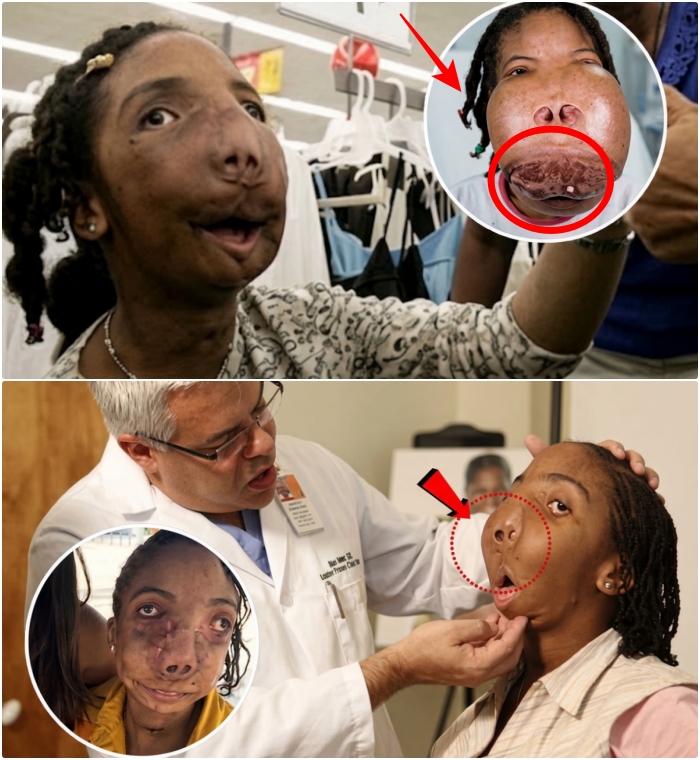
Marlie Casseus: the Haitian girl whose facial bone kept growing until breathing became an emergency
In Port-au-Prince, a small bump appeared on Marlie Casseus’s nose when she was 12. It did not stay small. Fibrous dysplasia — a condition in which bone keeps remodeling into weaker, expanding tissue — gradually turned the middle of her face into a mass reported to weigh more than seven kilograms. The growth covered her eyes, blocked her nose and mouth, and left her breathing through a remaining opening while she could take only liquids. Everyday life became difficult. Eating and sleeping were no longer ordinary routines.
Doctors have long used the older term leontiasis ossea for this kind of lion-like overgrowth of facial bone. It is not cancer, but it can still threaten the airway. Haitian hospitals at the time could not provide the reconstruction she needed. A humanitarian network arranged for her to be treated at Holtz Children’s Hospital at the University of Miami / Jackson Memorial.
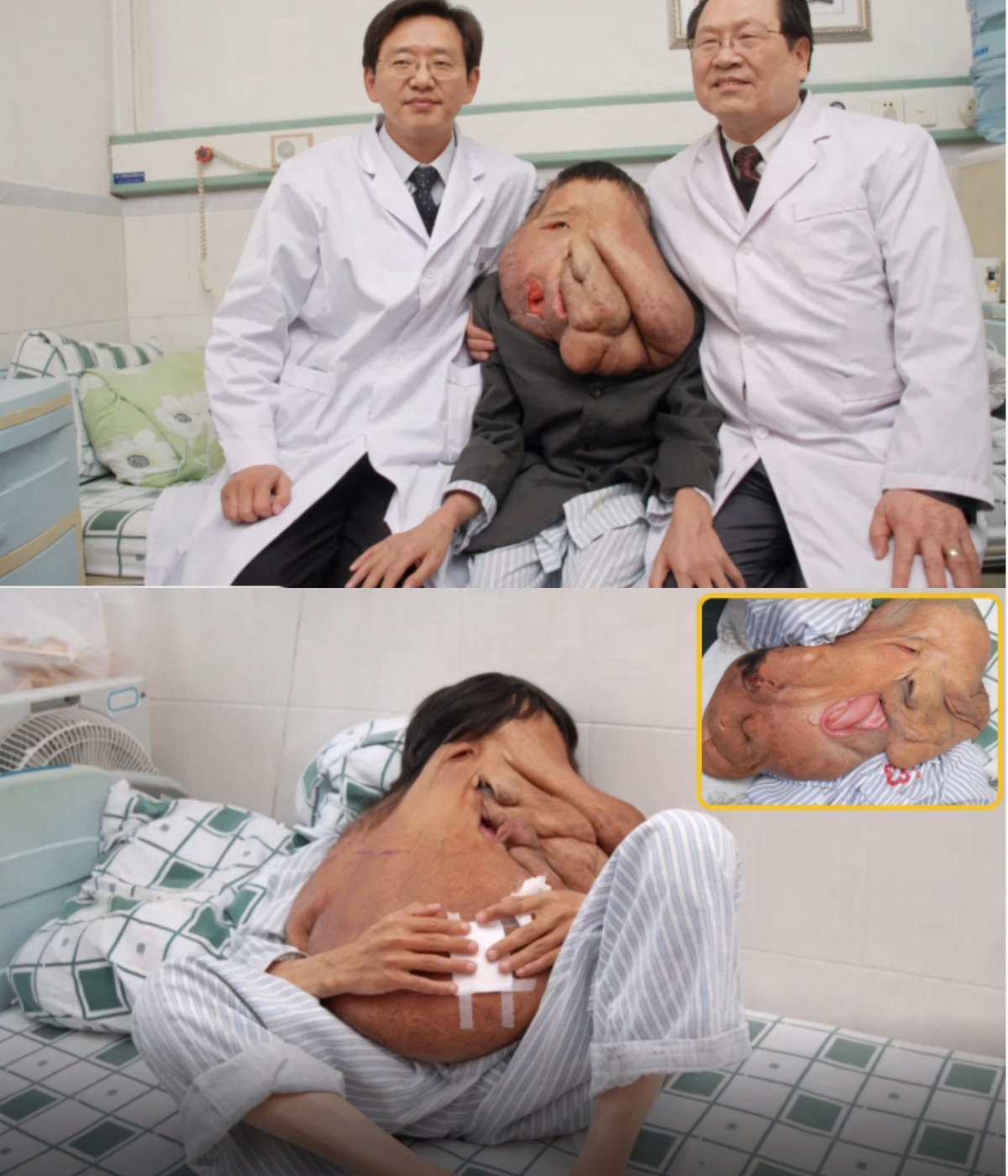
Surgical teams there — contemporaneous accounts name maxillofacial surgeon Jesús Gómez as a lead surgeon, with later involvement from Robert Marx and a craniofacial team — first created a surgical airway so she would not lose the ability to breathe during the operation. They then removed the excess bone in stages and rebuilt the upper jaw, lower jaw, and eye sockets using titanium plates and bone taken from her pelvis. This was not a single procedure. It was a sequence of long operations: remove tissue, stabilize the face, allow healing, then rebuild again.
After the swelling went down, Marlie could see. She could eat solid food. She could speak. Later photographs still show scars and unevenness; no one claimed the face looked untouched. What changed was function. A child who had been losing the ability to use her eyes and mouth was able to do those things again.
Craniofacial fibrous dysplasia this extensive is uncommon. Access to a team that can both take the overgrowth down and reconstruct the face is even less common. Marlie’s case is not a story that the disease vanished. It is a story that an airway was opened in time, and that surgeons kept operating until the girl behind the mass could use her face again.
Sources
University of Miami / Jackson Memorial and Holtz Children’s Hospital reports on the 2005–2006 surgeries; contemporary coverage of Marlie Casseus’s reconstruction, including the Miami Herald and international wires; clinical descriptions of craniofacial fibrous dysplasia / leontiasis ossea and staged facial reconstruction.