Lindsay Clancy Trial Ends in Mistrial After Juror Admitted Reasonable Doubt, Foreperson Says

PLYMOUTH, MASSACHUSETTS — The murder trial of Lindsay Clancy ended without a verdict after one juror reportedly acknowledged having reasonable doubt about her criminal responsibility but still refused to support an insanity-based acquittal, according to the jury foreperson.
The revelation has offered a rare glimpse into the deliberations that ultimately left the Massachusetts case unresolved.
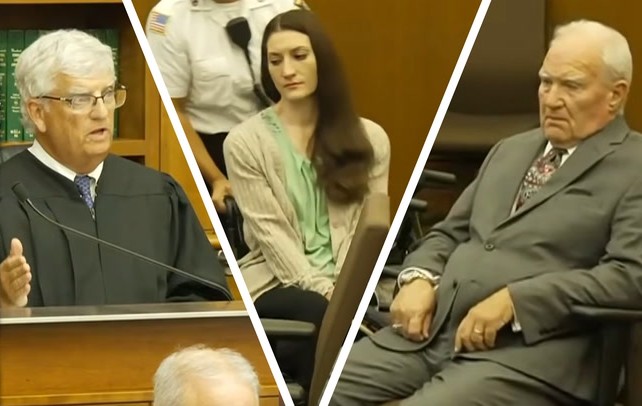
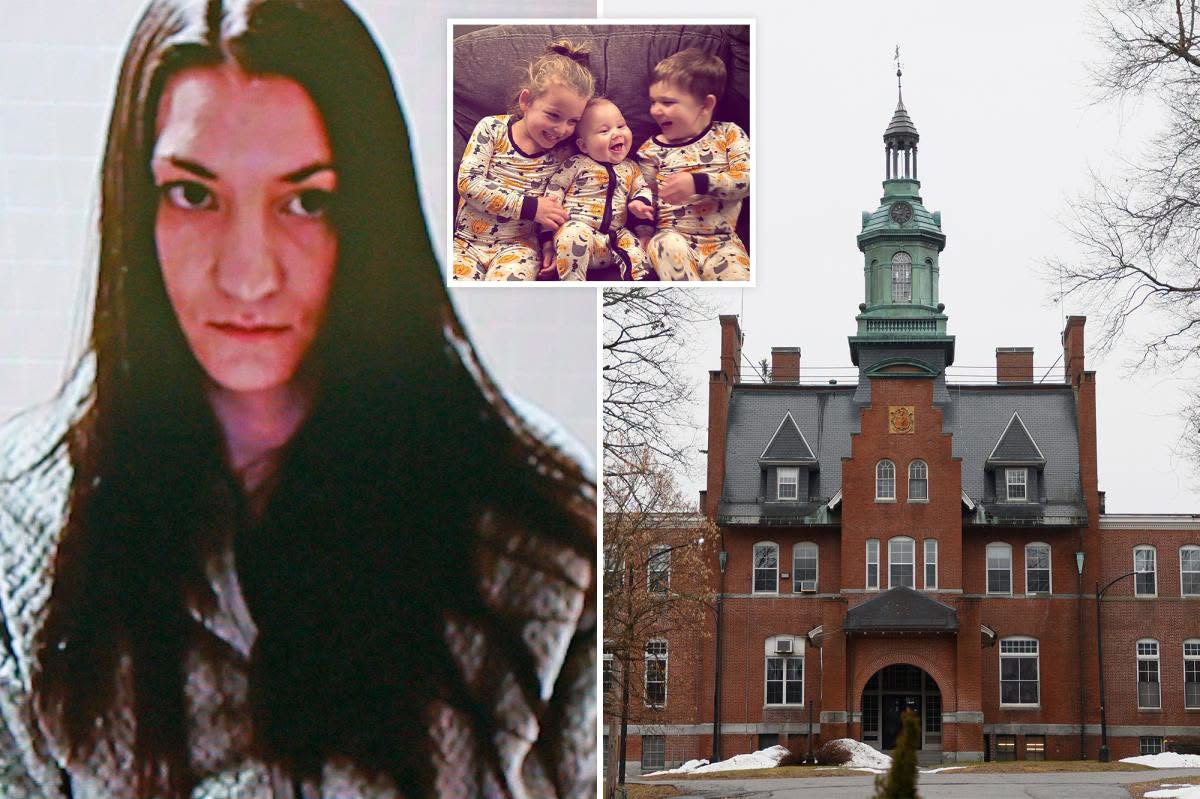
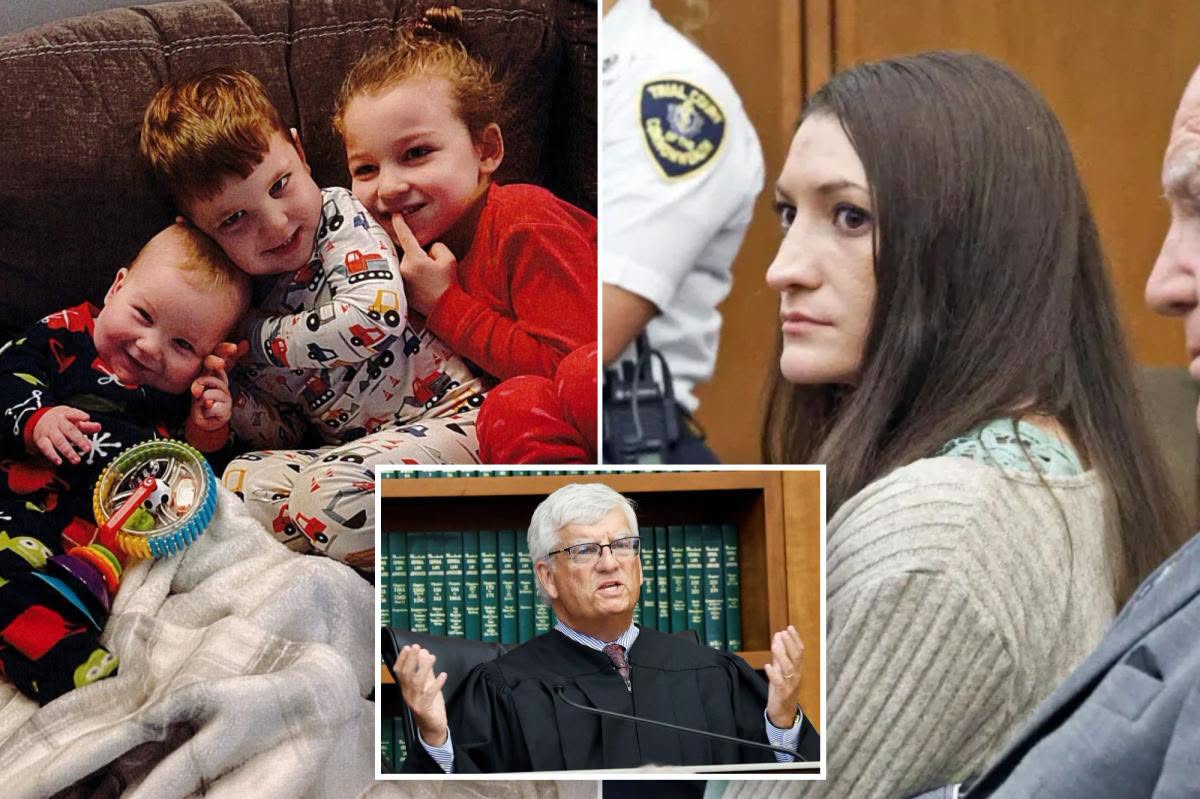
Clancy was accused of killing her three young children, Cora, 5, Dawson, 3, and Callan, 8 months, at the family’s Duxbury home in January 2023. She admitted to causing their deaths but pleaded not guilty by reason of lack of criminal responsibility, with her defense arguing that severe postpartum psychosis played a major role at the time.
After roughly 38 hours of deliberations spread across seven days, the jury could not reach the unanimous decision required for a verdict. Judge William Sullivan declared a mistrial on September 4, 2026.
Eleven Jurors Supported an Insanity Acquittal
According to jurors who later spoke publicly, the panel was overwhelmingly leaning toward a verdict that Clancy was not criminally responsible because of mental illness.
Eleven of the 12 jurors reportedly supported that outcome.

The lone holdout refused to join them.
The jury foreperson, Roni Carlson, told NBC10 Boston that the holdout juror at one point acknowledged that he had reasonable doubt.
Carlson said she became so encouraged by that statement that she began filling out the verdict paperwork.
Then, according to her account, the juror changed course and said he still would not find Clancy not guilty by reason of insanity.
That disagreement ultimately prevented the jury from reaching a unanimous verdict.
The Holdout Became the Focus of Deliberations
Several jurors who have spoken publicly described frustration with the lone holdout.

They said he did not appear persuaded by the psychiatric evidence presented during the trial and, according to their accounts, did not provide evidence or testimony that they believed supported his position.
Juror Nick Dargie reportedly said the group repeatedly asked the holdout to explain the basis for his position but did not receive an explanation they found persuasive.
The jurors’ comments reflect their own recollections of deliberations and are not a judicial finding that the holdout violated the law.
The court ultimately declared a mistrial after the jury reported that it could not reach a unanimous decision.
Clancy’s Defense Centered on Postpartum Psychosis
Throughout the trial, the defense argued that Clancy was experiencing a severe psychiatric crisis after the birth of her children.
Defense experts described what they believed was postpartum psychosis, along with the effects of medications and an increasingly severe deterioration in her mental state.
The defense did not dispute that Clancy caused the deaths.
Instead, the central legal question was whether she was criminally responsible for her actions under Massachusetts law.
Prosecutors presented a different interpretation, arguing that the evidence demonstrated that Clancy understood what she was doing and remained criminally responsible.
That conflict over criminal responsibility became the central issue in the trial.
Patrick Clancy’s Testimony Became Important to Jurors
Clancy’s husband, Patrick Clancy, testified during the trial.
His testimony described his wife as a devoted mother whose mental health deteriorated dramatically in the period leading up to the January 2023 tragedy.
Jurors who later spoke to the media said his testimony provided personal context that was important to the defense case.
Juror Kellie Farina said Patrick’s testimony helped provide a fuller picture of Lindsay as a person and mother than would have been available from the prosecution’s presentation alone.
Patrick has continued to support his wife publicly and has not been charged in connection with the deaths.
The Jury Was Asked to Decide More Than Whether She Caused the Deaths
One of the most important details about the trial is that there was little dispute over whether Clancy was responsible for the physical acts that caused the children’s deaths.
The legal dispute centered on her mental state and criminal responsibility at the time.
That distinction became crucial during deliberations.
For the defense to prevail, jurors had to conclude that Clancy met the legal standard for lack of criminal responsibility because of mental illness.
The holdout juror’s refusal to agree meant the panel could not reach the required unanimous verdict.
Judge Declared a Mistrial
After multiple days of deadlocked deliberations, the jury informed the court that it could not reach a unanimous decision.
Judge William Sullivan declared a mistrial on September 4.
The ruling did not acquit Clancy.
It also did not convict her.
Instead, the case remains unresolved unless prosecutors or the court take further action.
Prosecutors Have Not Yet Announced a Retrial
A mistrial means the possibility of another trial remains.
However, prosecutors have not publicly confirmed that they will automatically seek to retry Clancy.
Her defense has taken the opposite position.
Attorney Kevin Reddington has asked the court to enter an acquittal rather than allow a second trial, arguing that the evidence did not establish criminal responsibility. A hearing on the defense request is scheduled for September 29, 2026.
That legal issue could determine what happens next.
Clancy Remains in Psychiatric Custody
Clancy survived an apparent suicide attempt following the deaths and suffered severe injuries that left her paralyzed.
She remains in custody at Tewksbury Hospital, where she has received psychiatric care.
Following the mistrial, her attorney has said she is under continuous suicide monitoring.
Her current medical and custody status means she is not simply returning home while the legal dispute continues.
Juror Identities Have Become a Separate Court Issue
The intense public interest surrounding the case has also led to concerns about juror privacy and safety.
Judge Sullivan has moved to keep juror identities sealed indefinitely after at least one juror sought continued anonymity.
Several former jurors have nevertheless chosen to speak publicly about the deliberations.
The court’s decision reflects concerns about harassment and the unusually high level of attention surrounding the case.
The Holdout Juror Has Drawn Heavy Public Attention
The lone juror’s role has become one of the most discussed elements of the aftermath.
Some jurors have criticized his approach to deliberations, while other public commentary has questioned whether his personal views influenced his decision.
Those claims should be treated carefully.
The juror’s private reasoning has not been independently established beyond the accounts provided by fellow jurors and media reports.
His identity has also been subject to conflicting reporting and privacy protections.
The Case Has Sparked a Broader Discussion
The mistrial has turned the Clancy case into a wider discussion about postpartum mental health, the insanity defense and the difficult role jurors must play when psychiatric testimony is central to a criminal case.
Massachusetts officials have also begun discussing expanded postpartum health services in response to concerns highlighted by the case.
Gov. Maura Healey has proposed additional funding for postpartum care and mental-health screening programs following the mistrial.
That policy discussion is separate from the question of Clancy’s individual criminal responsibility.
The Central Question Remains Unresolved
Nearly four years after the deaths of the three children, the court has still not reached a final verdict on Lindsay Clancy’s criminal responsibility.
The prosecution says she should be held legally responsible.
The defense says severe postpartum psychosis left her incapable of being held criminally responsible.
The first trial ended in a deadlock.
Now, the court must determine whether the case ends there or moves toward another trial.
Latest Status — September 16, 2026
As of September 16, 2026, Lindsay Clancy has not been convicted in the deaths of her three children.
Her September 2026 trial ended in a mistrial after an 11–1 split, with 11 jurors reportedly favoring a finding that she was not criminally responsible because of mental illness and one juror refusing to agree.
According to the jury foreperson, the holdout juror acknowledged having reasonable doubt but still declined to support the insanity-based verdict.
Clancy remains in custody at Tewksbury Hospital.
Her attorney has asked the judge to enter an acquittal and prevent a second trial. A September 29, 2026 hearing is scheduled to consider the next legal steps.
Whether Massachusetts prosecutors pursue another trial remains unresolved.
For now, the case has ended where no criminal case involving such enormous stakes is supposed to end:
without a final verdict.
Sources
FOX News: Original September 8, 2026 report on the foreperson’s account of the deliberations.