“I Only Have One Wish — That My Son Can See the Light”: Baby Nam and Congenital Fused Eyelids
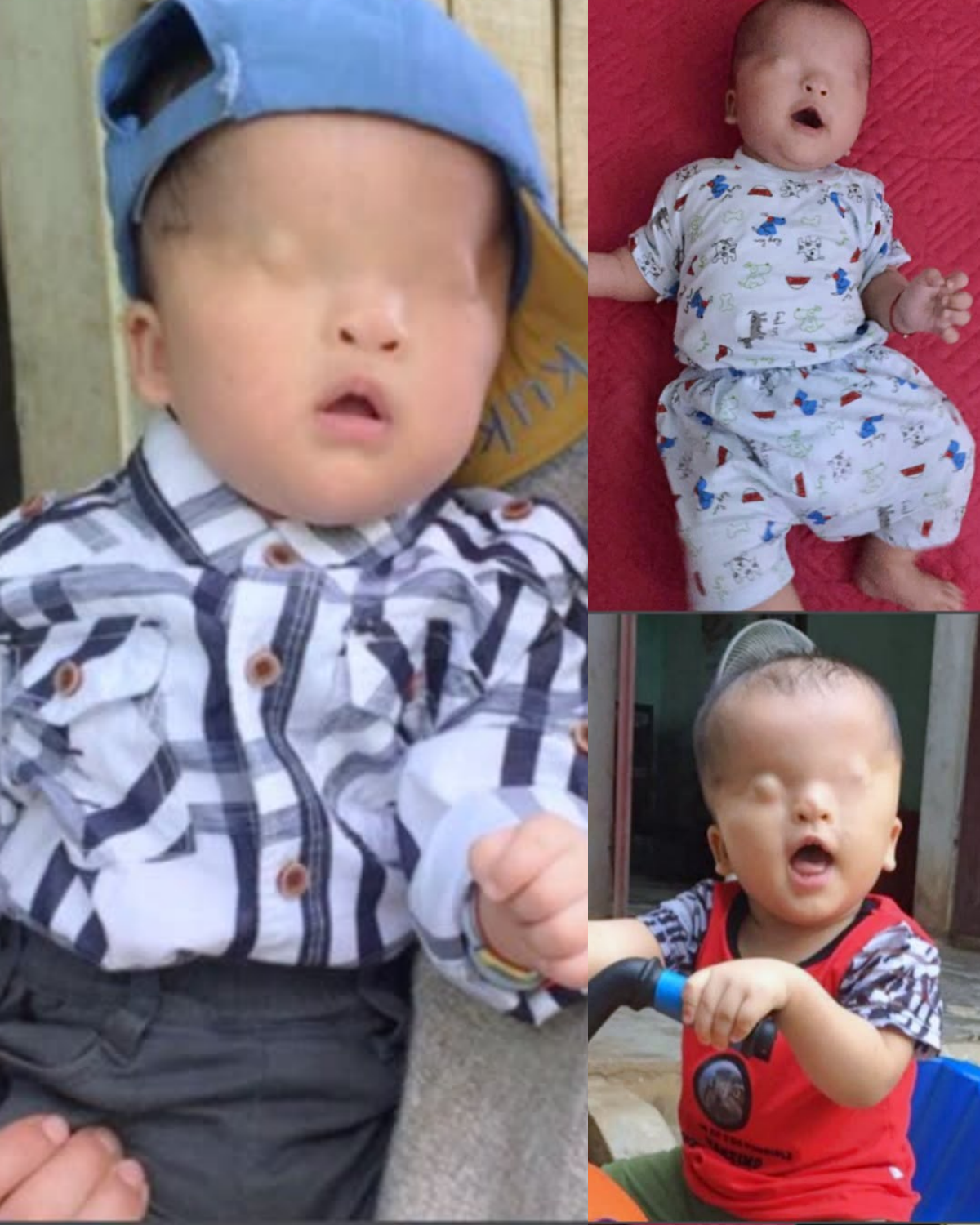
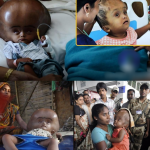
Le Pham Hoang Nam was born after a difficult emergency delivery. His mother, Pham Kim Chi, then 21, had gone through a pregnancy whose ultrasounds looked normal. The first shock after birth was that the baby did not open his eyes. Doctors found the lid margins joined—a congenital fusion that blocked light from reaching the eyes. Chi later told Vietnamese reporters her single wish: that her son would see the light. Every morning, she said, the first thing she saw was his smile.
The condition fits what ophthalmologists call ankyloblepharon: partial or complete failure of the eyelids to separate before birth. In the embryo the lids fuse around the eighth or ninth week and normally split again in the fifth to seventh month. When that split fails, the child is born with bands of tissue or a continuous join across the palpebral fissure. A milder form, ankyloblepharon filiforme adnatum, is thin strands only. Complete fusion is rarer and more urgent, because the infant visual system needs patterned light in the first months; prolonged occlusion risks deprivation amblyopia even if the globe itself is healthy. Isolated cases can be sporadic. Some are linked to syndromes (AEC/Hay-Wells, popliteal pterygium, trisomy 18), which is why a full paediatric exam matters once the lids are opened.
Chi and her husband were unprepared. Family joy after the birth collapsed into tears in the delivery ward. Follow-up in the first months did not change the finding: the lids stayed shut. In May 2018, when Nam was about ten months old, the family planned an assessment at DND International Eye Hospital during a visiting clinic with Singaporean specialists—the route many Vietnamese parents take when local neonatal units have no oculoplastic capacity. Public reporting from that period does not clearly document whether a definitive lid-separation operation followed or what vision Nam later achieved.
Surgically, simple congenital ankyloblepharon is often treated by dividing the adhesions along the intended lid margin, sometimes with a sliver of skin and orbicularis removed so the raw edges can mucosalise and not reseal. The procedure can be brief if the tarsus and globe are normal. The harder questions come after: Is there a formed eyeball? Is the cornea clear? Are there other midline or limb anomalies? Those answers decide whether the child needs only lid opening or a longer programme of protection, refraction and amblyopia therapy.
Nam’s story is smaller in scale than headline reconstructions of skulls or burned infants, but the stake is the same early window. Eyelids that never opened are not a cosmetic detail. They are a shutter over a brain that is still wiring itself to see. Chi’s sentence—“I only have one wish”—is the plain version of that deadline.
Sources
- DKN.TV / Tri Thuc Tre interview with Pham Kim Chi (May 2018), on Le Pham Hoang Nam
- EyeWiki and reviews of congenital ankyloblepharon / ankyloblepharon filiforme adnatum (PMC case reports)
- Standard paediatric oculoplastic descriptions of eyelid embryology and lid-separation surgery