LINDSAY CLANCY CASE: WHAT DID THE JURY’S 11–1 SPLIT REALLY MEAN?

LINDSAY CLANCY CASE: WHAT DID THE JURY’S 11–1 SPLIT REALLY MEAN?
The Lindsay Clancy trial ended without a verdict after jurors failed to reach a unanimous decision.
According to post-trial accounts, 11 of the 12 jurors were prepared to find Clancy not criminally responsible, while one juror remained opposed.
That does not mean the court found her innocent, nor does it establish that the prosecution’s case was disproven.
The mistrial left the question of criminal responsibility unresolved.
That evidence included testimony about Clancy’s mental-health treatment, her behavior before the killings, and the events surrounding the tragedy.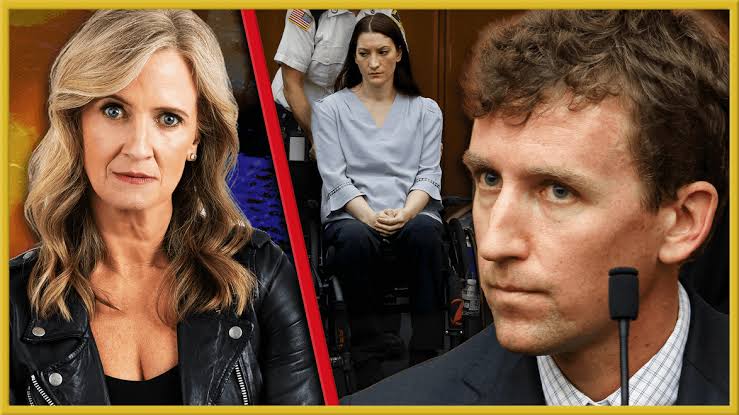
Claims circulating online about a 5:24 p.m. email, an Apple Watch heart-rate reading, and a cup allegedly containing crushed medication require separate verification.
A viral claim should not automatically be treated as evidence simply because it appears specific or technical.
Likewise, the fact that a particular item was allegedly not tested does not by itself establish that someone else committed the killings.
The jury’s disagreement does, however, demonstrate that the evidence was interpreted differently by members of the panel.
Post-trial juror interviews have provided additional insight into those disagreements, although they do not constitute a new court verdict.