THE LINDSAY CLANCY STORY: A Mother, Three Children, And The Tragedy That Shocked Massachusetts
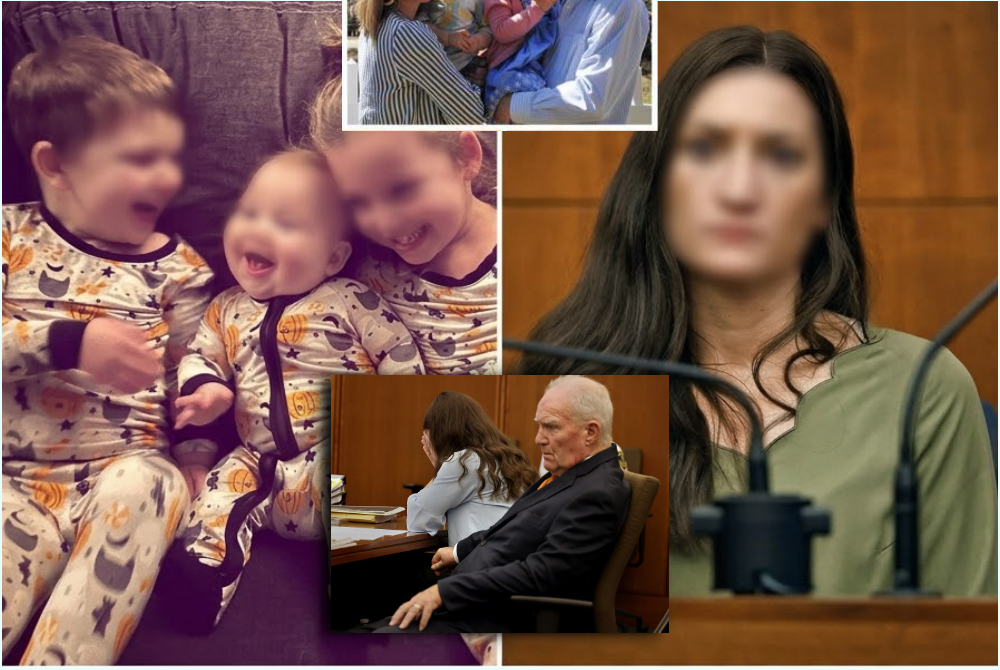
The name Lindsay Clancy has become associated with one of the most closely watched criminal cases in Massachusetts in recent years.
At the center of the case is a mother, three young children, a devastating afternoon in January 2023 and a legal battle over one of the most difficult questions a courtroom can face: was Lindsay Clancy criminally responsible for the deaths of her children, or was she experiencing a severe psychiatric illness that prevented her from understanding what she was doing?
More than three years after the deaths, that question remains unresolved.
Clancy admitted that she killed her three children, Cora, Dawson and Callan, but her defense argued that she was suffering from severe postpartum mental illness and should not be held criminally responsible.
Prosecutors presented a very different interpretation, arguing that Clancy remained aware of her actions and had made deliberate decisions before the killings.
After a five-week trial in 2026, the jury could not reach a unanimous verdict.
The judge declared a mistrial.
And the case is still not over.
Who Was Lindsay Clancy?
Before the tragedy, Lindsay Clancy was known as a mother and a former labor-and-delivery nurse in Massachusetts.
She and her husband, Patrick Clancy, lived in Duxbury with their three children.
Their family appeared, from the outside, to be living an ordinary life.
But after the birth of their youngest child, Callan, in May 2022, Lindsay experienced serious mental-health difficulties.
According to evidence presented during the trial, she sought professional help repeatedly in the months before the deaths.
Her treatment included psychiatric care, medication and an inpatient psychiatric programme.
Court records reviewed during the trial showed that she received more than 30 prescriptions during the months leading up to the killings, including medications used to treat depression, anxiety and psychosis-related symptoms.
The defense would later argue that this complicated medical history was central to understanding what happened.
The prosecution acknowledged that Clancy had serious mental-health problems but disputed the idea that she had lost the ability to understand the wrongfulness of her actions.
The Three Children
Lindsay and Patrick Clancy had three children.
Cora was five years old.
Dawson was three.
Callan, their youngest, was eight months old.
To understand the emotional weight of the case, it is important to remember that the prosecution was not simply accusing Clancy of killing three strangers.
The alleged victims were her own children.
The children she had cared for.
The children whose lives had been documented through ordinary family photographs and memories.
And the children whose father would later become one of the most important witnesses in the case.
What Happened on January 24, 2023?
On the afternoon of January 24, 2023, Patrick Clancy left the family’s Duxbury home to pick up dinner.
According to his trial testimony, nothing about the situation immediately suggested that something catastrophic was about to happen.
He later told the jury that Lindsay appeared happy and that he had no reason to believe the children were in immediate danger.
While Patrick was away, prosecutors say Lindsay killed the three children in the basement.
She then attempted to take her own life by cutting herself and jumping from a second-story window.
Patrick returned home and found Lindsay badly injured outside.
He initially called emergency services for her.
He then discovered the children in the basement.
The events of those minutes became the central focus of the investigation and, years later, the trial.
The Children Did Not All Die Immediately
One particularly heartbreaking detail emerged during the case.
Callan, the youngest child, survived the initial attack but remained critically injured.
He died several days later.
That meant Patrick was not only confronted with the discovery of his children after returning home — he also endured the agonizing period in which Callan remained alive before eventually dying.
The family’s tragedy therefore unfolded over several days rather than a single moment.
For Patrick, the experience became something he would later describe publicly as unimaginable grief.
Lindsay Survived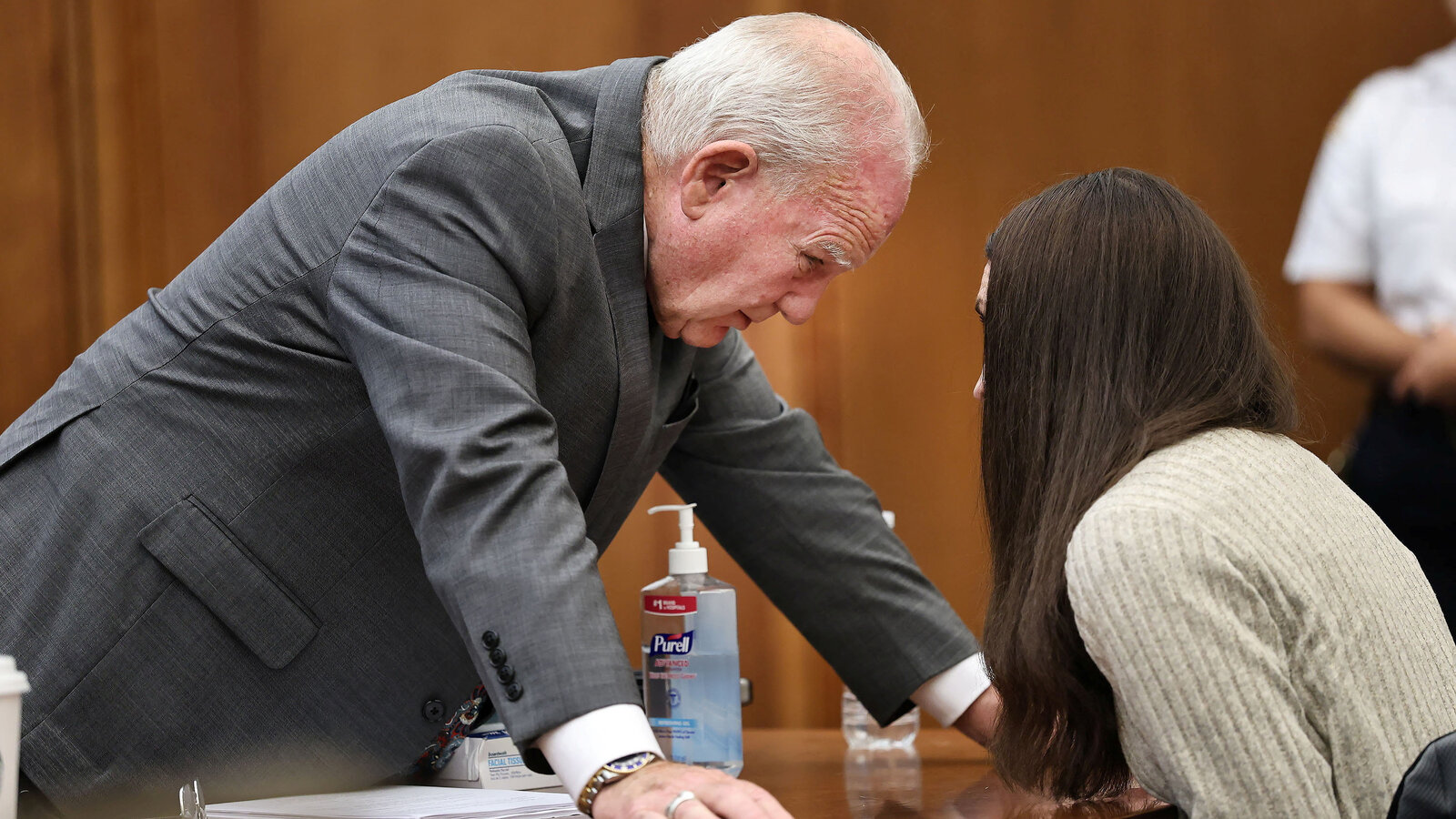
Lindsay survived her suicide attempt but suffered catastrophic injuries.
She became paralyzed from the waist down.
She was subsequently placed in psychiatric care and remained there while the criminal case developed.
From the beginning, the legal question surrounding her mental state became central.
There was little dispute that she had killed the children.
The question was why — and, legally, whether her mental state meant she should be held responsible for those actions.
The Postpartum Psychosis Defense
The defense argued that Lindsay was suffering from postpartum psychosis, a rare but extremely serious psychiatric condition that can occur after childbirth.
The condition can involve hallucinations, delusions, confusion and a distorted perception of reality.
Defense experts argued that Lindsay’s mental state had deteriorated severely after the birth of Callan.
They presented evidence about her treatment, medication history, reported symptoms and behavior during the months before the killings.
The defense’s argument was not simply that Lindsay was depressed.
It was that her mental illness had become so severe that she could no longer properly understand the nature or wrongfulness of what she was doing.
That distinction was critical under Massachusetts law.
The Prosecution Saw Something Different
Prosecutors did not deny that Lindsay had experienced serious mental-health difficulties.
Instead, they argued that she remained capable of understanding what she was doing.
They pointed to evidence surrounding her behavior before and during the killings.
One important part of the prosecution’s argument was that Lindsay had sent Patrick out to pick up food shortly before the deaths.
Prosecutors argued that this demonstrated planning and awareness.
They also relied on digital records, statements, medical evidence and testimony from experts who reached conclusions different from those offered by the defense.
One prosecution expert, forensic psychologist Kirk Heilbrun, testified that he did not believe Lindsay was experiencing acute psychosis when she killed her children.
He said he believed she had been depressed and suicidal and had come to believe that her children would suffer without her.
That interpretation directly challenged the defense’s explanation.
The Battle Between Medical Experts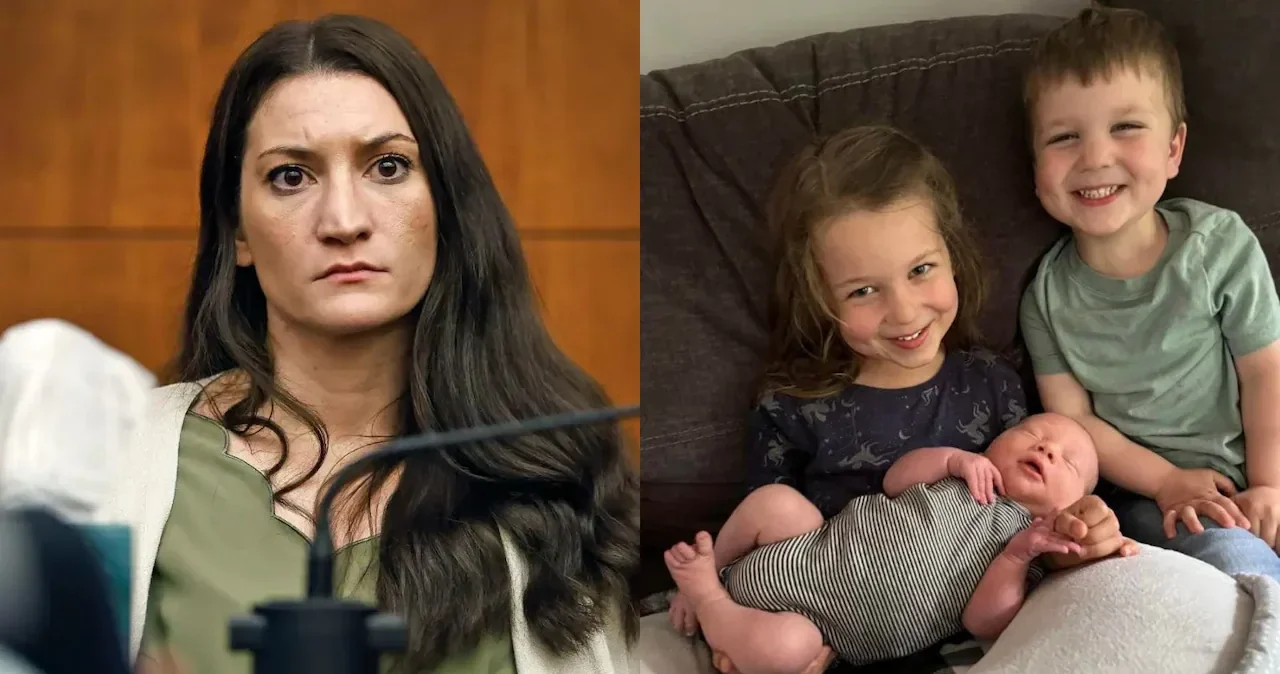
The trial became, in many ways, a battle between competing interpretations of Lindsay’s mental state.
Defense experts described a woman overwhelmed by severe postpartum psychiatric illness.
Prosecution experts acknowledged significant mental-health problems but disputed that she had lost criminal responsibility.
Jurors therefore had to evaluate complicated psychiatric evidence while also considering the physical and digital evidence surrounding the deaths.
It was not enough to determine whether Lindsay was mentally ill.
The jury had to decide whether her condition met the legal standard necessary to relieve her of criminal responsibility.
That distinction became the heart of the trial.
Her Medication History Became a Major Issue
Another major element of the case involved Lindsay’s medical treatment.
Evidence presented at trial showed that she had received numerous prescriptions in the months before the killings.
Those medications included antidepressants, antipsychotics, sedatives, benzodiazepines and a mood stabilizer.
According to the Boston Globe, she had been prescribed 13 different psychiatric medications during the four months leading up to the deaths, although the precise combination she was taking at any given time was not always clear because doctors repeatedly adjusted her treatment.
The defense argued that the complexity of her treatment was relevant to her deteriorating condition.
The prosecution challenged the significance of that evidence.
The disagreement also contributed to broader questions about whether Lindsay’s mental-health care had been adequate before the tragedy.
Her Journal Became Evidence
Investigators recovered Lindsay’s handwritten journals from the Duxbury home.
During the trial, portions of those writings were read to the jury.
The entries described feelings of being overwhelmed, guilt surrounding motherhood and fears about her future.
The defense viewed the writings as evidence of her deteriorating mental state.
The prosecution examined the same material in the context of its broader argument about Lindsay’s thinking and behavior before the killings.
The journals offered the jury something different from medical records.
They provided a glimpse into Lindsay’s own thoughts during the months leading up to the tragedy.
Patrick Clancy Took the Stand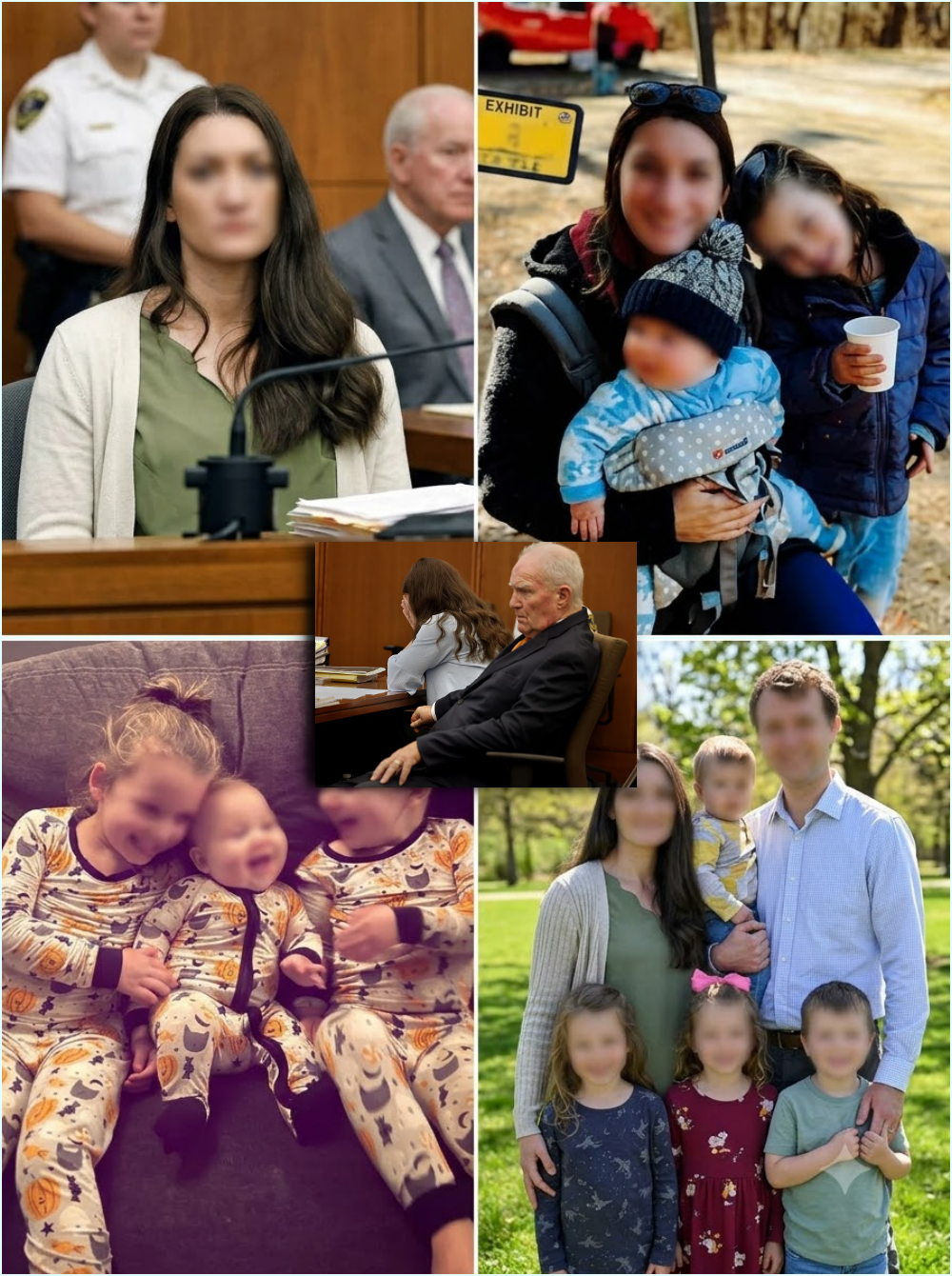
One of the most emotionally difficult moments of the trial came when Patrick Clancy testified against his former wife.
He described his family’s life before the killings and discussed Lindsay’s mental-health struggles.
He said she had previously told him about intrusive thoughts involving harm coming to the children.
But he also testified that she had sought treatment and, on the day of the killings, appeared to be having what he described as one of her better days.
That testimony was particularly significant because Patrick was the person who returned home and discovered the aftermath.
He was also the person who had to live with the consequences.
The Trial Lasted Five Weeks
The 2026 trial became a major courtroom event.
Jurors heard from dozens of witnesses, including family members, police investigators, medical professionals, mental-health experts and forensic specialists.
The court examined evidence from the home, medical records, digital activity and Lindsay’s own writings.
The jury was repeatedly asked to distinguish between evidence suggesting deliberate behavior and evidence suggesting a profound psychiatric crisis.
It was an extraordinarily difficult question.
And after weeks of testimony, the jury remained divided.
The Jury’s Final Split
After deliberating for several days, the jury ultimately failed to reach a unanimous verdict.
The final division was highly unusual.
Eleven jurors believed Lindsay was not criminally responsible because of postpartum psychosis. One juror believed she was criminally responsible for the killings.
Because a unanimous verdict was required, the disagreement meant that the jury could not reach a final decision.
On September 4, 2026, the judge declared a mistrial.
That does not mean Lindsay was found innocent.
It also does not mean she was convicted.
The case simply ended without a verdict.
The Lone Holdout Juror Became Part of the Story
The jury’s division did not end the controversy.
The lone juror who supported criminal responsibility, Michael Desronvil, later spoke publicly about his position.
He said he had no doubts about his conclusion that Lindsay was legally responsible for killing her children.
Other jurors have described the deliberations differently, including claims that the holdout was unwilling to accept the legal standard of reasonable doubt.
Those competing accounts have now become part of a separate legal dispute.
Lindsay’s defense attorneys have asked the court to investigate whether Desronvil improperly used a cellphone during jury deliberations and have raised questions about information he allegedly provided during jury selection.
Desronvil denies misconduct.
His attorney has rejected the allegations.
The judge has not simply accepted either side’s version; the matter remains subject to legal proceedings.
Will Lindsay Clancy Face Another Trial?
That is now one of the biggest unanswered questions.
A mistrial does not automatically end a criminal case.
Prosecutors can potentially seek another trial.
However, the Plymouth County District Attorney’s Office has not yet announced a final decision on whether Lindsay will be retried.
Her defense team has already asked the judge to dismiss the case rather than allow another trial.
The legal arguments surrounding the mistrial and jury conduct are therefore likely to become the next major chapter.
Patrick Has Forgiven Lindsay
Perhaps the most difficult part of the story is that the legal battle is not the only thing Patrick Clancy has been dealing with.
He has also been living with the loss of all three children.
In a recent television interview following the mistrial, Patrick spoke publicly about grief, forgiveness and Lindsay’s mental illness.
He said he believed her actions were driven by severe mental illness rather than hatred or malice.
Patrick has also criticized conspiracy theories surrounding the case, arguing that they distract from the broader issue of perinatal mental health.
His position is especially striking because he was the person whose children were killed.
Yet he has repeatedly emphasized that he believes Lindsay was suffering from a serious psychiatric illness.
The Case Has Changed the Conversation About Postpartum Mental Health
The Lindsay Clancy case has become larger than one courtroom.
It has sparked discussions about postpartum psychosis, maternal mental health, access to psychiatric treatment and how the criminal justice system should respond when severe mental illness intersects with violence.
Following the mistrial, Massachusetts Gov. Maura Healey proposed additional postpartum healthcare measures, including expanded voluntary home nurse visits and increased support for perinatal mental-health services.
The proposals were presented as part of a broader effort to identify and address serious mental-health problems among new mothers earlier.
That does not resolve the legal questions surrounding Lindsay.
But it demonstrates how a criminal case can expose weaknesses and unanswered questions in a wider healthcare system.
Why the Lindsay Clancy Story Is So Difficult to Understand
There is no single detail that explains everything that happened.
The case contains several competing realities.
Lindsay was a mother who had sought mental-health treatment.
She was also a mother who killed her three children.
She had a documented history of psychiatric problems.
But prosecutors argued that mental illness did not eliminate her ability to understand her actions.
Her defense presented evidence of severe postpartum psychosis.
The prosecution presented experts who rejected that diagnosis as an explanation for the killings.
Patrick lost his children.
He also publicly forgave his wife.
And after one of the longest and most closely watched trials in Massachusetts, the jury could not reach a unanimous conclusion.
That is why the case remains so difficult.
What Happens Now?
For the moment, Lindsay Clancy remains in psychiatric custody while the legal process continues.
She has not been acquitted.
She has not been convicted.
The murder charges remain unresolved following the mistrial.
Prosecutors must decide whether to seek another trial, while the defense is seeking dismissal and challenging aspects of the jury proceedings.
Meanwhile, the families involved continue to live with the consequences of what happened in January 2023.
The legal system will determine the next chapter.
But no verdict can change the central fact of the case.
Three children — Cora, Dawson and Callan — are gone.
Their deaths have left a family permanently changed and prompted a national conversation about mental illness, motherhood and criminal responsibility.
The Story Behind the Headlines
For people encountering the Lindsay Clancy case for the first time, it can be tempting to reduce it to a simple question of guilt or innocence.
The actual story is far more complicated.
It involves a mother who experienced serious mental-health difficulties after giving birth.
A father who returned home to an unimaginable scene.
Three children who died.
A criminal prosecution built around competing interpretations of mental illness.
A five-week trial.
Dozens of witnesses.
Conflicting psychiatric opinions.
And finally, a jury divided 11 to 1, leaving the case without a verdict.
The next decision now belongs to prosecutors and the courts.
Whether there will be another trial remains uncertain.
But the questions raised by the Lindsay Clancy story will continue far beyond the courtroom — about how severe postpartum mental illness is recognized, how vulnerable mothers receive care, and where the law draws the line between illness and criminal responsibility.
For now, there is no final answer.
Only an unresolved case, a grieving father, and three children whose lives ended in a tragedy that has changed the people who knew them forever.
Source:
Associated Press (AP News) – https://apnews.com/article/ce606a5c24014a0bcf2f027914b0783d
Boston Globe – https://www.bostonglobe.com/2026/07/20/metro/lindsay-clancy-trial-what-to-know/