FLORIDA PLASTIC SURGEON TOMASZ KOSOWSKI FOUND GUILTY OF FIRST-DEGREE MURDER IN STEVEN COZZI CASE
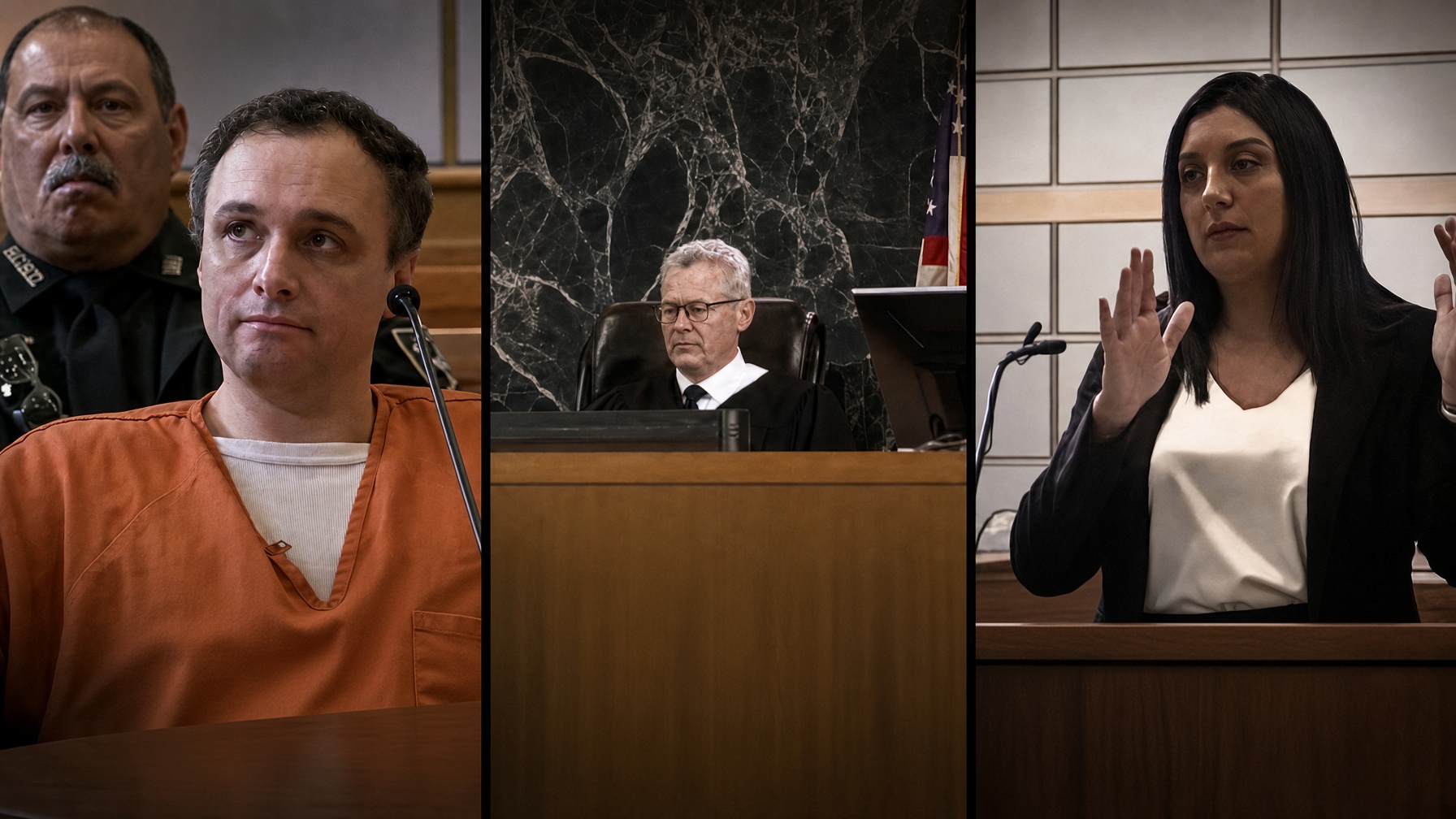
More than three years after Florida attorney Steven Cozzi disappeared from his law office, a Pinellas County judge has found former plastic surgeon Tomasz Kosowski guilty of first-degree murder.
Judge Joseph Bulone delivered the verdict on September 23, 2026, after listening to more than a week of testimony and reviewing extensive physical, digital and forensic evidence.
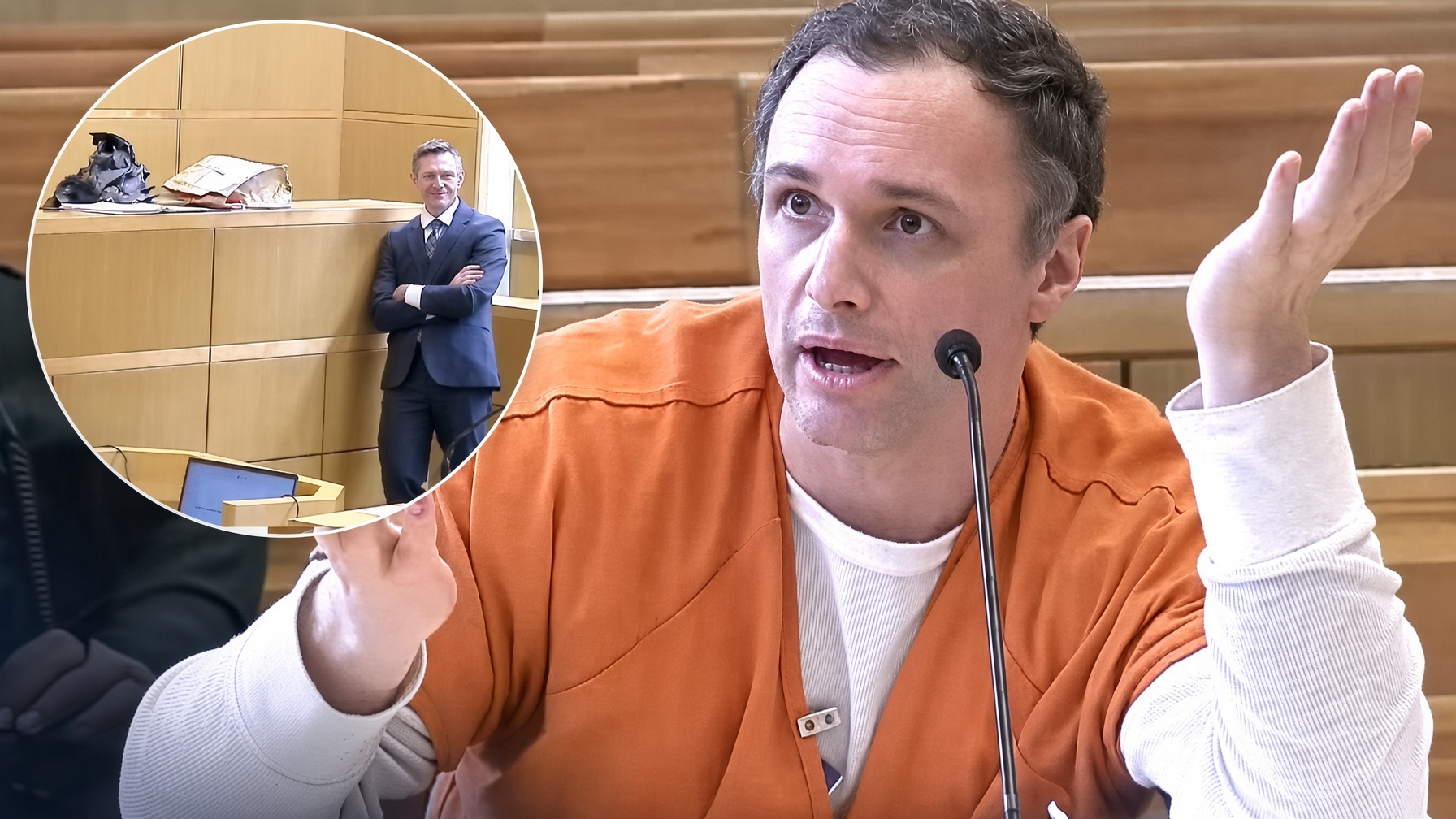
Kosowski had chosen to represent himself and had waived his right to a jury trial, meaning Judge Bulone alone determined whether the state had proved its case beyond a reasonable doubt.
The judge took approximately 15 minutes after closing arguments before announcing the guilty verdict.
The verdict brings the criminal trial to its first major conclusion, but the case is not yet completely finished.
Kosowski now faces a separate penalty phase in which the judge will determine whether he should receive life in prison without the possibility of parole or the death penalty. Prosecutors are seeking a death sentence.
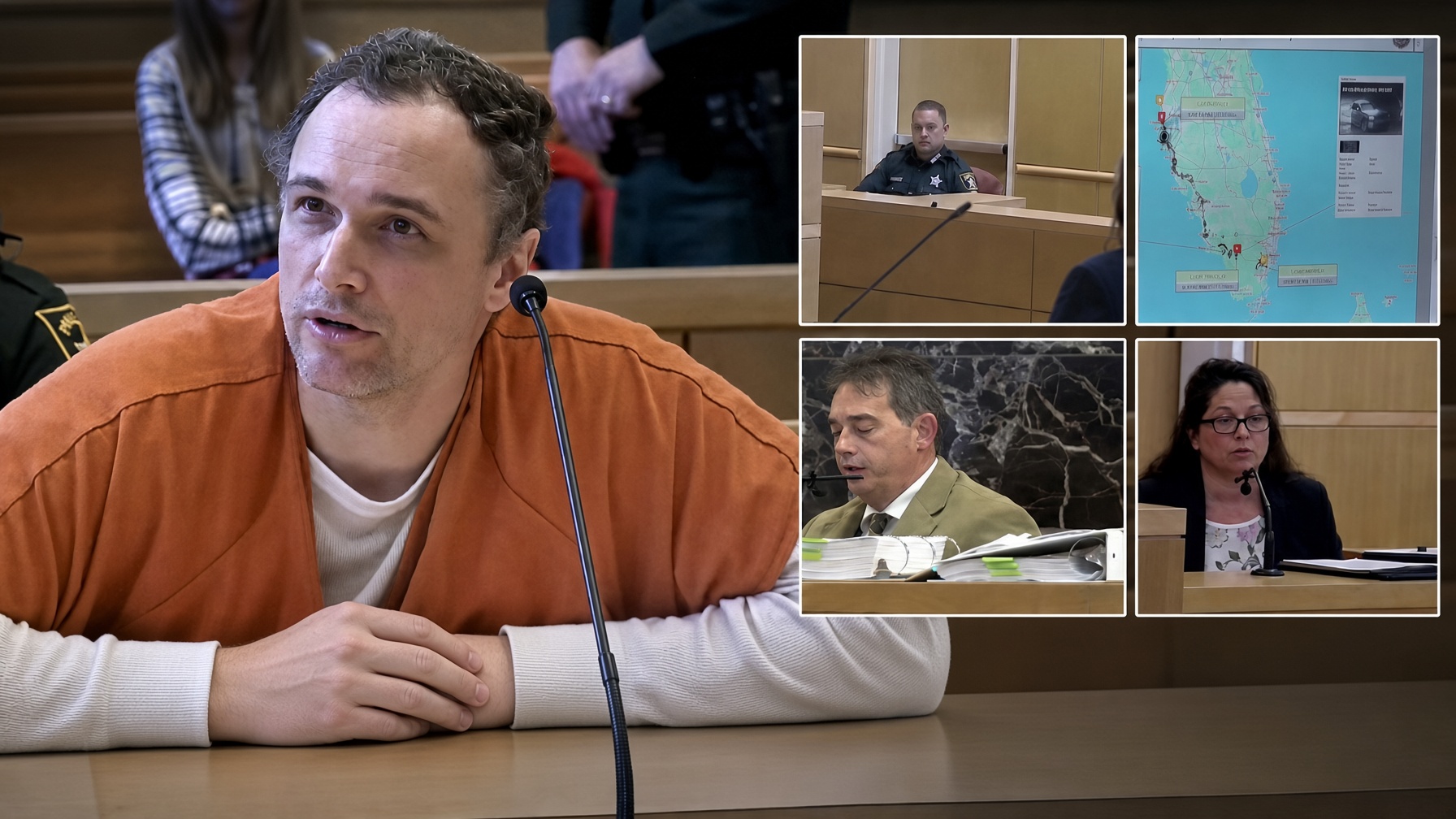
STEVEN COZZI DISAPPEARED FROM HIS LAW OFFICE
Cozzi, 41, was a Largo attorney who worked at Blanchard Law in Clearwater.
On March 21, 2023, he arrived at work and prepared for a scheduled telephone hearing.
According to testimony presented at trial, Cozzi’s husband, Michael Montgomery, later became concerned after receiving no response from him.
Cozzi’s office appeared largely undisturbed. His phone, wallet and keys were left behind, and his car remained at the law firm.
But investigators discovered evidence suggesting something had happened inside the office bathroom.
Blood was found in the bathroom, along with signs that cleaning chemicals had been used.
The discovery triggered a 911 call and launched the investigation that eventually led authorities to Kosowski.
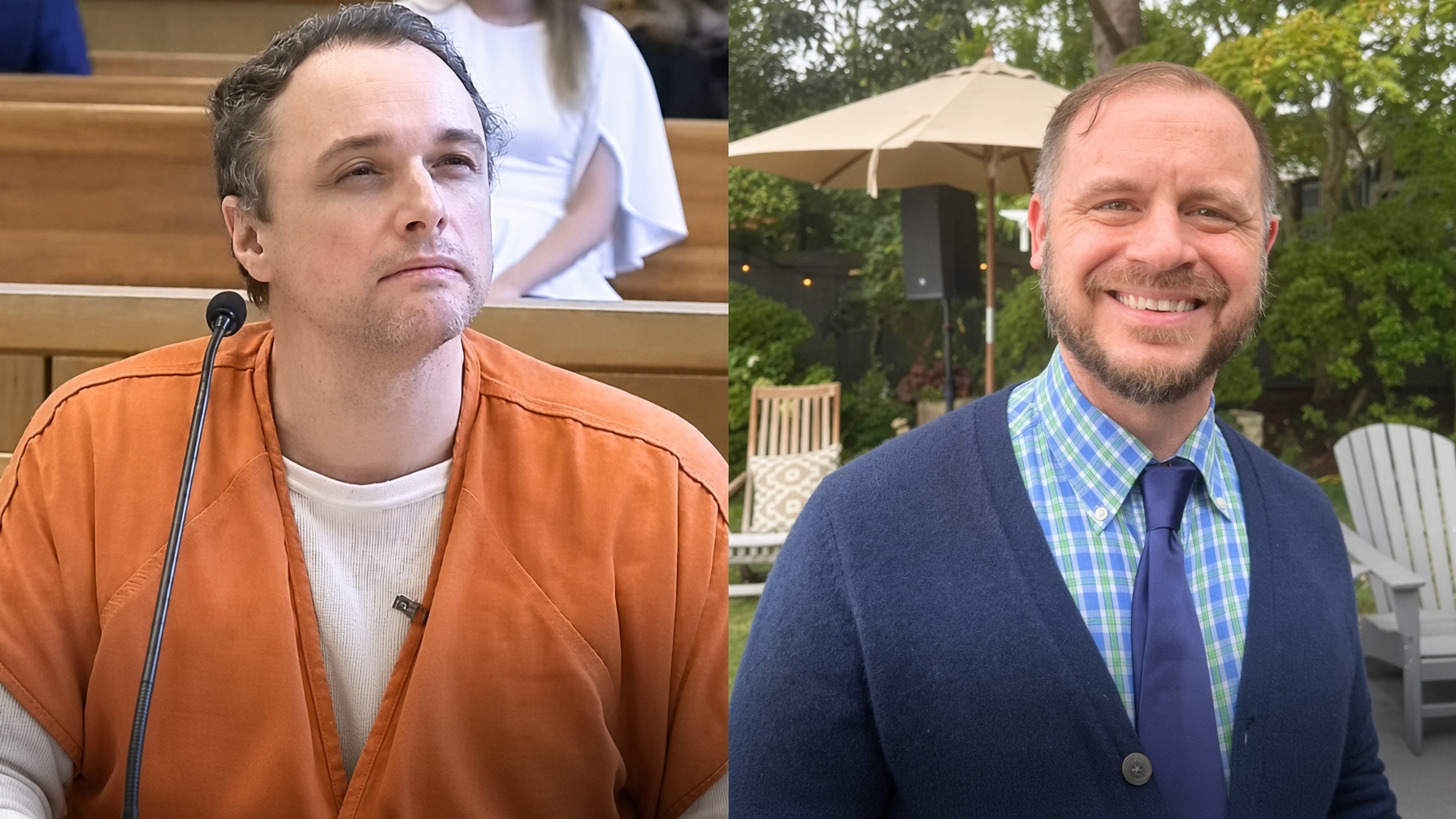
PROSECORS SAID THE MURDER WAS PLANNED
The prosecution’s case centered heavily on the relationship between Kosowski and Cozzi.
Before Cozzi disappeared, Kosowski had been involved in a contentious civil lawsuit involving his former employer, the Laufer Institute of Plastic Surgery, and related businesses.
Cozzi represented defendants in that litigation.
Prosecutors argued that Kosowski became increasingly focused on Cozzi and eventually turned the civil dispute into a personal conflict.
Assistant State Attorney Alexandra Spadaro told the judge that Kosowski had developed what prosecutors described as a personal obsession with Cozzi and began planning his killing.
The prosecution presented evidence that Kosowski had visited locations associated with Cozzi and had taken photographs and videos.
Prosecutors argued that these actions demonstrated preparation rather than a spontaneous confrontation.
SURVEILLANCE VIDEO BECAME A KEY PIECE OF EVIDENCE
One of the most important elements presented during the trial was surveillance footage.
Prosecutors said video showed Kosowski’s truck arriving at the law office on the morning of March 21, 2023.
A person matching Kosowski’s description was then seen entering the building.
Hours later, surveillance footage showed a person leaving the building while pulling a heavy wagon toward the truck.
The prosecution argued that Cozzi’s body was inside that wagon.
The evidence was particularly significant because Cozzi never appeared again after entering the law office that morning.
THE PHONE CALL THAT WAS SUPPOSED TO BE COZZI’S HEARING
Another unusual detail involved a scheduled telephone hearing.
Cozzi was supposed to participate in a hearing involving Kosowski’s civil case at approximately 10:30 a.m. on the day he disappeared.
Instead, prosecutors said Kosowski participated in the hearing.
According to the prosecution, Kosowski’s phone connected to a cell tower covering the area of the law office while he participated in the hearing.
Prosecutors argued that this helped place Kosowski near the law firm during the critical period.
Cozzi, meanwhile, never appeared for the hearing.
The evidence became part of the prosecution’s broader timeline of what they said happened that morning.
A WAGON BECAME CENTRAL TO THE CASE
The surveillance footage showing a heavy wagon being moved from the law office became another major part of the prosecution’s case.
Investigators later connected the wagon to evidence found during their investigation.
Prosecutors argued that Kosowski used the wagon to move Cozzi’s body from the law office.
The state’s theory was that Kosowski then transported the body away from the building in his pickup truck.
Because Cozzi’s body has never been recovered, prosecutors had to rely heavily on circumstantial and forensic evidence to establish what happened.
The judge ultimately concluded that the evidence was sufficient to prove Kosowski’s guilt beyond a reasonable doubt.
COZZI’S BODY HAS NEVER BEEN FOUND
One of the most unusual aspects of the case is that investigators never recovered Cozzi’s body.
Prosecutors argued that Kosowski transported the remains to a remote area and disposed of them.
The state’s evidence indicated that the remains ultimately ended up at the Collier County landfill.
Because of the absence of a body, prosecutors were required to establish the killing through other evidence, including blood evidence, surveillance footage, digital records, witness testimony and the defendant’s movements.
During the trial, the prosecution presented a detailed timeline intended to show how those pieces fit together.
The judge accepted the state’s case and found Kosowski guilty.
THE DEFENSE CASE WAS UNUSUAL
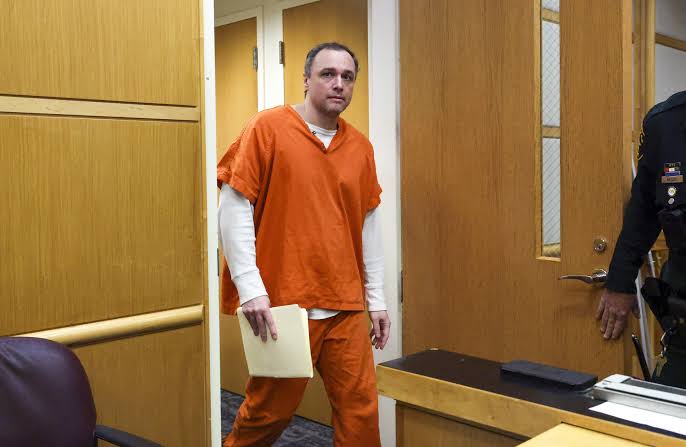
Kosowski’s decision to represent himself made the trial particularly unusual.
He had previously been represented by attorneys but eventually chose to proceed without counsel.
He also waived his right to have a jury determine his guilt.
That left Judge Bulone responsible for evaluating the evidence and determining whether Kosowski was guilty.
Throughout the proceedings, Kosowski challenged the prosecution’s version of events.
He argued that the state’s theory did not make sense and questioned the interpretation of the physical and surveillance evidence.
But after the closing arguments, Bulone rejected the defense position and found him guilty.
THE PROSECUTION’S CASE INCLUDED FORENSIC EVIDENCE
Investigators presented evidence concerning the law-office bathroom where prosecutors said Cozzi was attacked.
Witnesses described blood inside the bathroom.
Investigators also found evidence that cleaning products had been used.
During the trial, prosecutors presented photographs of the bathroom showing blood and other evidence.
They argued that the scene was consistent with an attempt to clean up after the killing.
The prosecution also presented evidence concerning Kosowski’s vehicle, surveillance footage and his movements following Cozzi’s disappearance.
WITNESSES DESCRIBED KOSOWSKI’S CONDUCT BEFORE THE DISAPPEARANCE
Several attorneys who had encountered Kosowski during the civil lawsuit testified about his behavior toward Cozzi and others.
One attorney described Kosowski as aggressive during the litigation.
Another witness recalled an incident shortly before the murder in which a man was reportedly discovered hiding inside a utility closet near the law office.
The witness said a box containing what appeared to be a wagon was found inside the closet.
Prosecutors presented this evidence as part of their argument that Kosowski had been preparing for what happened before March 21.
COZZI’S FAMILY WATCHED THE VERDICT
Cozzi’s family and friends were present in court when Bulone announced the verdict.
His husband, Michael Montgomery, had testified during the trial about the day Cozzi disappeared.
Montgomery described entering Cozzi’s office and initially believing that his husband had simply stepped away.
His belongings remained behind.
His car was still at the law office.
But Cozzi himself was gone.
The years since his disappearance have left the family without the certainty that normally comes with recovering a loved one’s remains.
The guilty verdict therefore represented an important legal development for the family.
THE JUDGE REJECTED ONE OF THE STATE’S AGGRAVATING FACTORS
Although Bulone found Kosowski guilty of first-degree murder, the penalty phase immediately raised another important legal question.
The judge found that prosecutors had proven two of three aggravating factors required for consideration of the death penalty.
However, Bulone did not find that the state had proven beyond a reasonable doubt that the murder was especially heinous, atrocious or cruel.
The judge explained that because Cozzi’s body had never been recovered, the exact circumstances of his death could not be established with enough certainty to satisfy that particular standard.
That finding does not overturn the murder conviction.
It affects the separate question of whether the death penalty is legally appropriate.
THE PENALTY DECISION WILL COME LATER
Kosowski’s next major legal proceeding will focus on punishment.
Because prosecutors are seeking the death penalty, the court must now consider the applicable aggravating and mitigating circumstances.
The two possible outcomes are death or life imprisonment without the possibility of parole.
The judge is expected to make the final sentencing decision next month.
That means the September 23 verdict does not represent the final sentence.
Kosowski has been convicted, but the court has not yet determined how long he will remain imprisoned or whether the state will seek to carry out a death sentence.
A CASE THAT TOOK MORE THAN THREE YEARS TO REACH TRIAL
Kosowski was arrested and charged in 2023, shortly after Cozzi disappeared.
But the case took years to reach trial.
Several attorneys withdrew from representing Kosowski before he ultimately chose to defend himself.
The trial finally began on September 14, 2026.
Over approximately a week and a half, prosecutors presented testimony and evidence intended to reconstruct the events surrounding Cozzi’s disappearance.
The judge then reached his verdict only minutes after the closing arguments.
THE ABSENCE OF A BODY DID NOT PREVENT A CONVICTION
The case demonstrates the extent to which prosecutors can rely on circumstantial and forensic evidence even when a victim’s remains are never recovered.
There was no body for the jury — or in this case, the judge — to examine.
Instead, prosecutors relied on the combination of evidence gathered over the three-year investigation.
That included surveillance footage, blood evidence, digital information, witness testimony, vehicle movements and evidence surrounding the law office.
The judge concluded that together, the evidence established Kosowski’s guilt beyond a reasonable doubt.
COZZI’S LEGAL WORK WAS PART OF THE BACKGROUND
At the center of the prosecution’s motive theory was the civil lawsuit involving Kosowski and his former employer.
Cozzi represented parties on the opposing side.
Prosecutors argued that Kosowski’s dispute over the lawsuit became increasingly personal, particularly in his interactions with Cozzi.
That alleged escalation was presented as the background to the murder.
Kosowski, however, disputed the prosecution’s interpretation of his actions and the evidence during the trial.
The judge ultimately rejected his defense.
WHAT HAPPENS NOW
The guilty verdict closes the first major phase of the case.
The next stage is the penalty phase.
Judge Bulone will consider whether the circumstances support the death penalty or whether Kosowski should receive life imprisonment without parole.
The judge has already ruled that two aggravating factors were proven, while rejecting one of the state’s proposed aggravators concerning the manner of the killing.
The final sentence is expected next month.
For Cozzi’s family, however, one painful fact remains unchanged: his body has never been recovered.
The guilty verdict provides a legal conclusion about who the court found responsible for his death, but it cannot provide the physical remains his family has spent more than three years without.
A VERDICT AFTER YEARS OF QUESTIONS
Tomasz Kosowski entered the September 2026 trial accused of killing an attorney with whom he had become embroiled in a contentious legal dispute.
He chose to abandon a conventional defense strategy, represent himself and allow a judge rather than a jury to determine his guilt.
After hearing the evidence, Judge Joseph Bulone found him guilty of first-degree murder.
The court will now turn to the question of punishment.
For now, Kosowski stands convicted of Steven Cozzi’s murder.
The next chapter will determine whether that conviction ultimately leads to a sentence of life without parole or death.
SOURCES
Tampa Bay Times — After tumultuous trial, Pinellas judge finds plastic surgeon guilty of murder