Maya Reborn Lord
Maya Reborn Lord
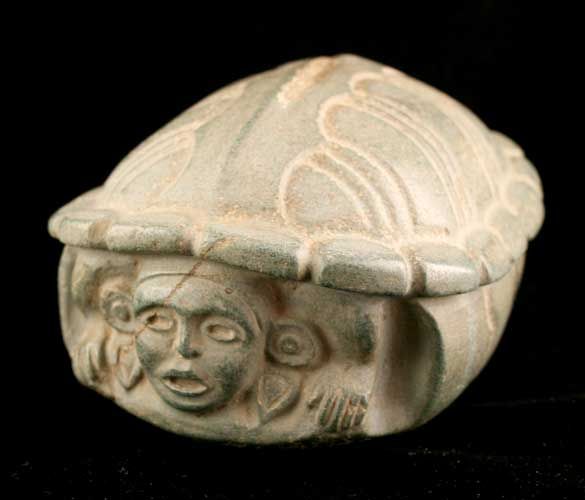
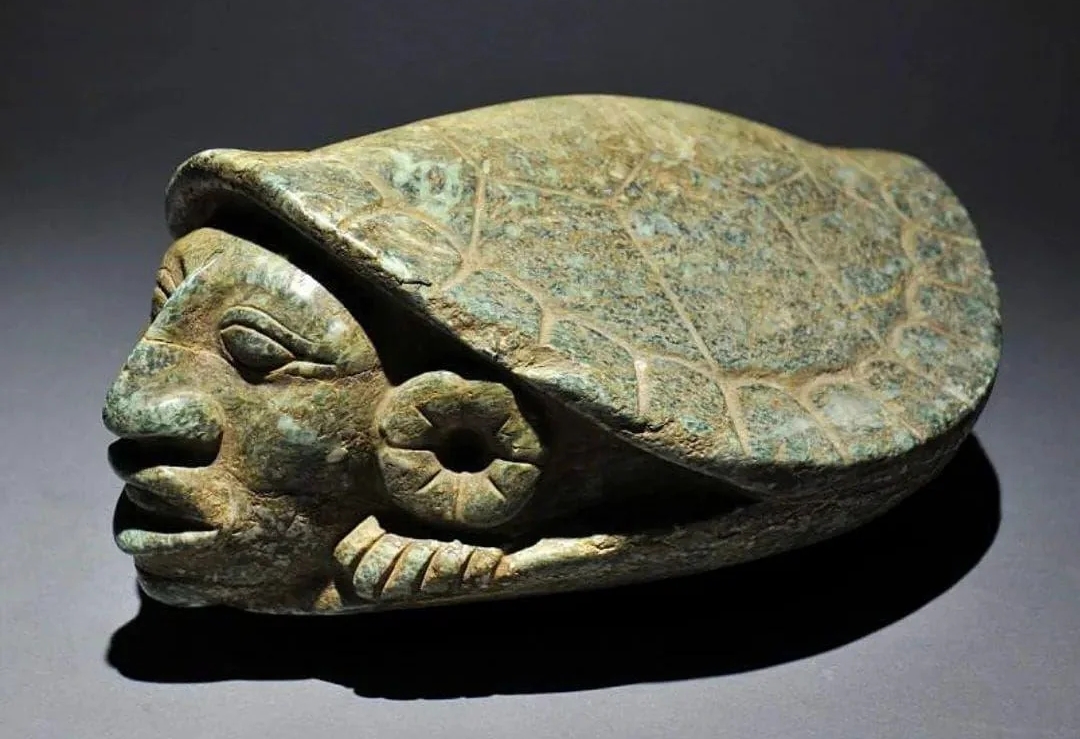
This Maya figure, dating from ca. 250–900 AD, represents a reborn lord in the spiritual and cosmological worldview of the Maya.
The turtle is widely recognized as a symbol of longevity and resilience. Across many cultures, it is associated with wisdom and patience. Because turtles are believed to live exceptionally long lives, they are thought to accumulate deep knowledge over time.
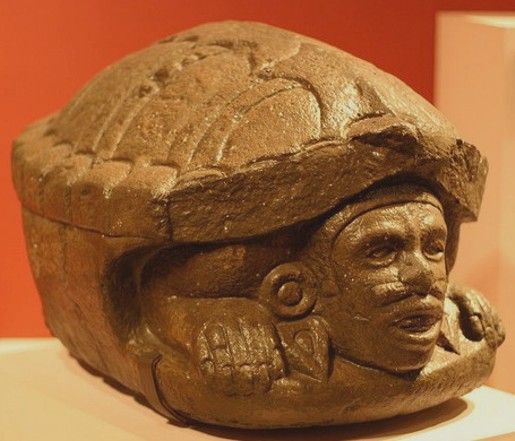
The Maya civilization flourished for more than 3,000 years across southeastern Mexico, Guatemala, Belize, and parts of western El Salvador and Honduras, long before Spanish colonization. The ancient Maya left behind numerous references that highlight the turtle’s significance in their worldview. In various Indigenous traditions, the turtle is linked to the origins of life, with legends describing it as a creature that supports or even carries the world.
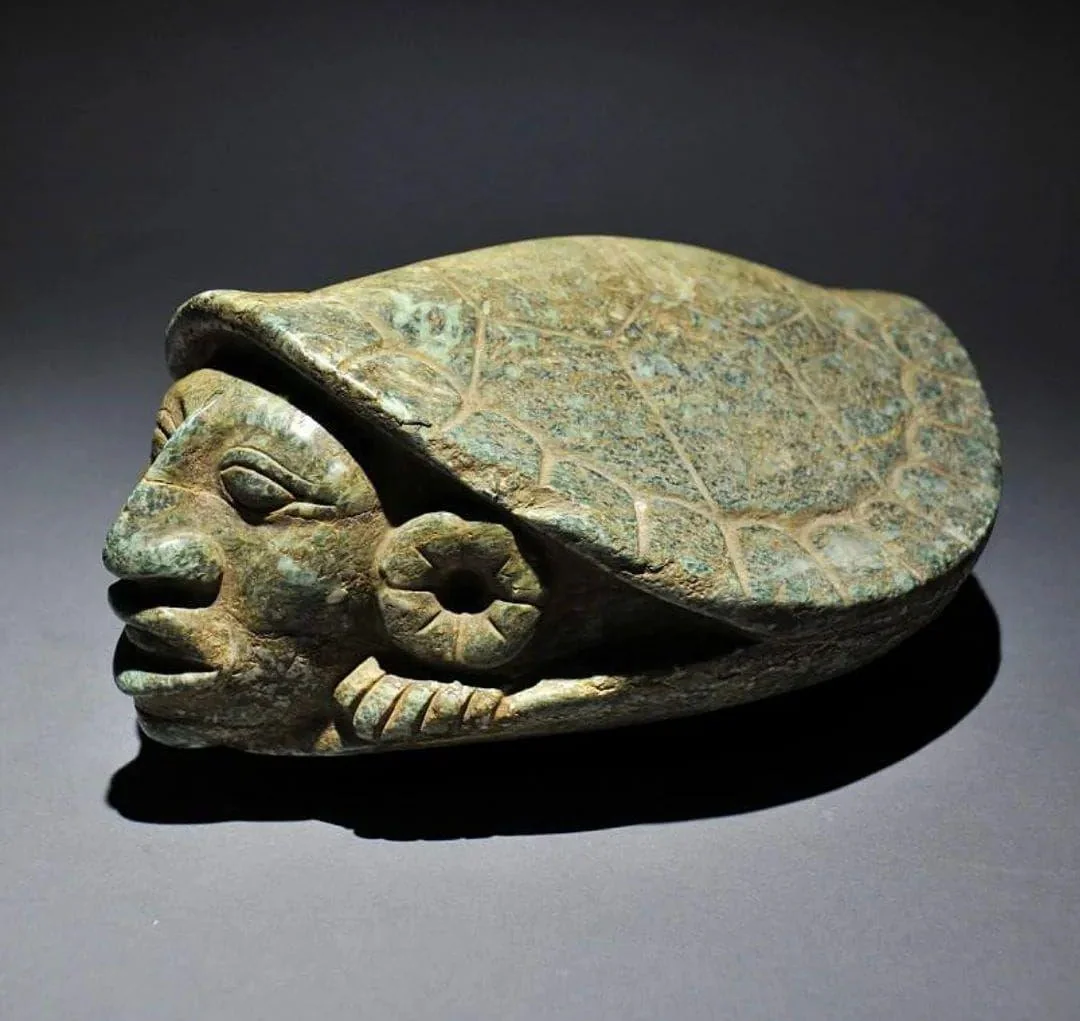
In Maya iconography, one of the deities is often shown wearing a turtle shell atop its head. Turtles symbolized longevity, fertility, and good fortune; as graceful swimmers, they also evoked freedom. The ancient Maya portrayed turtles in striking carved stelae, such as those found at the Governor’s Palace in Uxmal, the Temple of the Warriors in Chichén Itzá, Mexico, and in the archaeological site of Quiriguá, Guatemala.