From a Normal Birth to Life-Saving Heart Surgery: Ada’s Fight Against a Hidden Heart Defect

Ada entered the world the way countless babies do—crying loudly, full-term, strong, and seemingly healthy.
She weighed over four kilograms and arrived via emergency C-section after a failed induction. For her parents, Natasha and her husband, the delivery felt intense but reassuring. The hard part, they believed, was over.
They were wrong.
The First Signs No One Expects
Shortly after birth, Ada needed a cannula for antibiotics due to an infection during labor. Doctors described it as a precaution. Still, for a first-time mother recovering from surgery, it felt overwhelming. Natasha tried to rest, trusting that her daughter was safe.
That night, while her husband had gone home to sleep, a nurse entered Ada’s room for routine checks.
What she found changed everything.
Ada’s oxygen saturation levels were dangerously low—hovering in the low 80s. For a newborn, they should have been well above 94. Repeated attempts to get accurate readings from her hands and feet failed.
With every passing minute, Natasha’s unease turned into fear.
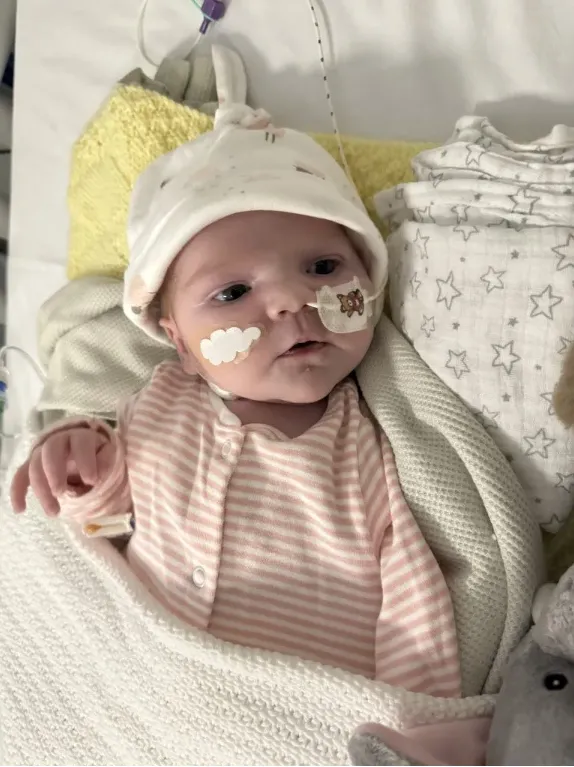
Ada was rushed to the Neonatal Intensive Care Unit.
A Diagnosis That Turned the World Upside Down
Calls were made between hospitals. Specialists were consulted. By morning, doctors suspected a serious congenital heart defect: transposition of the great arteries (TGA).
Prostin was administered immediately to keep Ada’s blood flowing properly and prevent her condition from deteriorating. Soon after, she was placed in an ambulance and transferred to a specialist cardiac center.
The ride was silent, heavy, terrifying.
After extensive testing, the diagnosis was confirmed. Ada had TGA, along with an atrial septal defect (ASD) and dextroposition. Her heart’s anatomy was incompatible with life without surgery.
In an instant, her parents’ world collapsed.
Waiting When Every Second Feels Endless
Ada needed a complex arterial switch operation—open-heart surgery performed on newborns to correct blood flow. But first, they had to wait.
Two agonizing weeks passed as the family waited for a bed to become available at the cardiac center. Each day felt like a fragile balancing act between hope and terror. Natasha watched monitors obsessively, learning to read numbers she had never known existed.
When Ada’s surgery was finally scheduled, an emergency case delayed it again.
The wait stretched on.
Then, at last, the call came.
Surgery That Changed Everything
Ada was taken into surgery, her tiny body entrusted to a team of specialists whose skill would determine her future. Hours passed.
When the procedure was complete, the words her parents clung to finally arrived: the surgery had gone well.
Ada spent five days in the Pediatric Intensive Care Unit, surrounded by tubes, wires, and constant alarms. Natasha describes the experience as surreal—seeing her daughter intubated, fragile, yet alive.
The nurses became lifelines. The doctors, steady guides through the chaos. Every small improvement felt monumental.
After nearly two weeks in hospital, Ada was stable enough to go home.
The car ride was quiet. Hands gripped the car seat. Silent prayers filled the air.
Why Early Detection Saved Ada’s Life
Ada survived because her condition was caught early.
A simple pulse oximetry screening—a non-invasive test measuring oxygen levels—alerted medical staff to her dangerously low saturations. Without it, her condition could have gone unnoticed until it was too late.
Early detection meant rapid intervention.
Rapid intervention meant surgery.
Surgery meant survival.
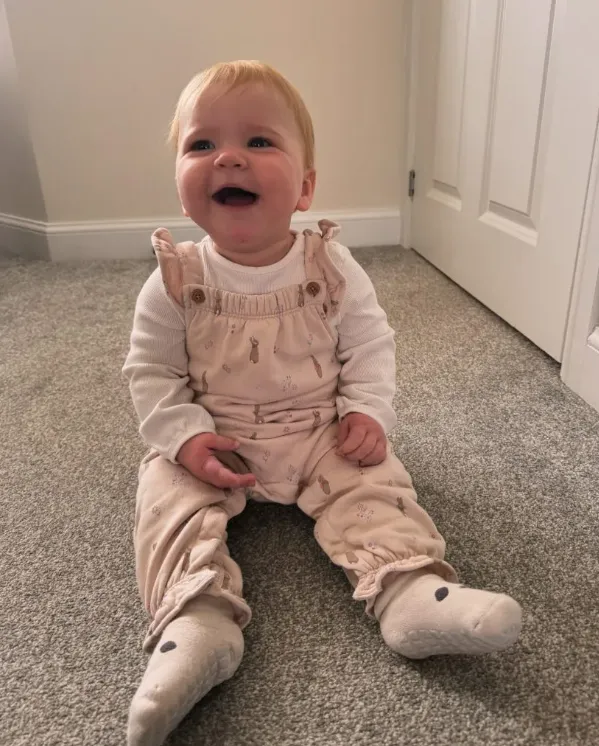
At home, Ada began to thrive.
She met milestones. Her personality emerged—curious, bright, full of life. The scar across her chest became a quiet reminder of what she had overcome.
Healing Beyond the Physical
Natasha describes watching Ada smile, laugh, and play as nothing short of miraculous. Ordinary moments—feeding, cooing, rolling over—felt extraordinary.
The family also found vital support through Tiny Tickers, an organization that offers guidance, information, and emotional support to families facing congenital heart disease. For Natasha, it wasn’t just about medical facts—it was reassurance during the darkest hours.
Through connecting with other parents, she learned that fear and hope often exist side by side. She learned how to advocate for Ada. How to ask questions. How to trust her instincts.
Every follow-up appointment, every echo scan, every saturation check became a measure of progress.
Living With Vigilance—and Gratitude
Ada’s journey isn’t over.
Future monitoring, follow-ups, and possible additional procedures lie ahead. But she has already proven her strength.
Her ASD allowed temporary blood mixing that kept her alive until surgery. Without the arterial switch, her body would have faced severe oxygen deprivation. Timely intervention made all the difference.
Today, Ada’s laughter fills spaces once heavy with fear. Her parents have learned to balance vigilance with joy—never forgetting how close they came to loss, but choosing to live fully.
Her story highlights why newborn screening matters. Why awareness saves lives. Why congenital heart defects, though invisible at birth, can be deadly without early detection.
A Message of Hope
Ada’s first year was shaped by monitors, hospital corridors, and uncertainty. Yet she emerged stronger, thriving, and full of life.
Her scars are not symbols of weakness—but of victory.
She is living proof that early diagnosis, expert care, and unwavering parental love can transform a fragile beginning into a powerful future.
Every heartbeat she takes is a reminder of resilience.
Every smile, a celebration of survival.
Ada is more than a survivor.
She is a heart warrior.