She Took My Baby Away at Birth — and I’ve Been Grieving the Delivery I Never Got Ever Since
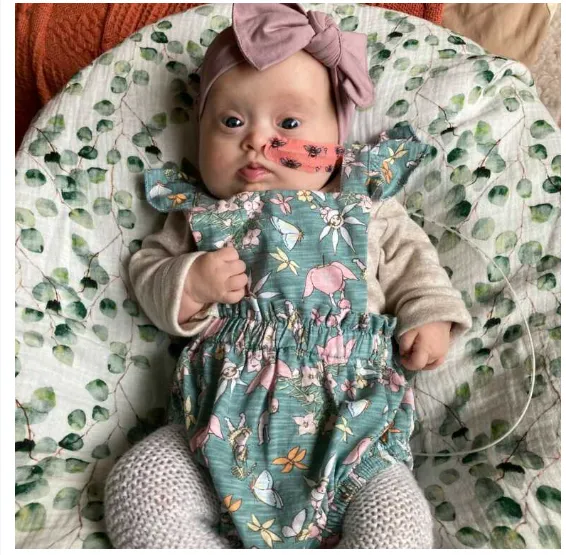
The morning it all began was dark, cold, and quiet.
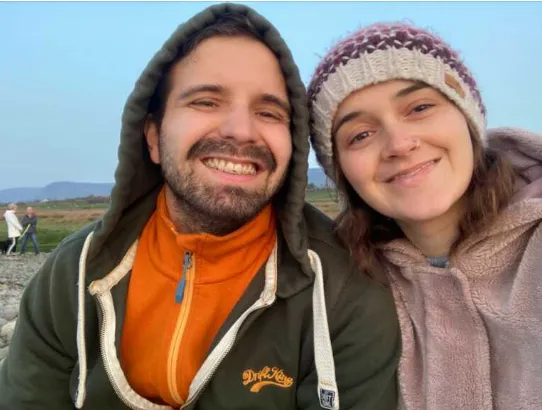
My partner, Ross, and I were walking our dogs before work when a shooting star tore across the sky. We both saw it. We both smiled. Without saying a word, we both made a wish.
Six months of trying had finally led us here. I was pregnant.
It was November 2020, the height of COVID restrictions. Lockdowns. Fear. Uncertainty pressing in from every direction. But none of that mattered.
We were going to have a baby.
Pregnancy During a Pandemic
I was a nurse working on a busy surgical ward. As cases rose and fear settled into every hallway, Ross and I made a decision together: I would quit my job.
Protecting our unborn child felt like the only thing that mattered.
One morning before my 12-week scan, we casually talked about “what ifs” over breakfast.
What if the baby had Down syndrome?
We didn’t know then how powerful intuition can be.
Because of COVID restrictions, I had to attend the scan alone. Ross waited in the car. I cried when I saw the tiny life on the screen, repeating over and over, “I can’t believe there’s someone in there.”
Then the sonographer’s tone changed.
She lingered longer than expected. Measured again. And again.
She explained there was excess fluid where it shouldn’t be.
Cystic hygroma.
Then later, hydrops fetalis.
She listed possible causes—viral infections, rare conditions, unknown exposures.
Then she said the words that would follow me for the rest of my pregnancy.
“Chromosomal abnormality.”
I hated those words instantly.
I hated hearing them alone even more.
When Fear Replaces Joy
Scan after scan followed. On one, they discovered a severe heart defect. The fluid worsened. Doctors told us repeatedly to prepare for the worst.
That our baby might not survive pregnancy.
That she might not survive birth.
That even if she did, surgery might be impossible.
At 15 weeks, I underwent an amniocentesis. Four days later, the phone rang.
Trisomy 21. Down syndrome.
And for the first time in weeks, I felt relief.
We finally had an answer. A reason. Something solid after drowning in uncertainty. We named her Evie, quietly, just for us. Naming her made her real. It made her ours.
We didn’t know if we would ever bring her home. We didn’t know how much time we’d get.
But we knew we wanted to know her—even if only briefly.
Fighting for a Baby No One Promised Us
Against expectations, Evie kept going.
Doctors expected her heart to stop. It didn’t.
At her first fetal echocardiogram—again, without Ross allowed inside—I was told her heart defect was so complex it might be incompatible with life.
That was the moment I broke.
Truly broke.
Ross later told me the hardest part wasn’t just the fear of losing her—it was the fear that we might never get the chance to raise a child with Down syndrome again.
Termination was mentioned once. We made it clear it was not an option.
If Evie was going to leave us, she would leave knowing we fought for her.
I found community online—other parents, other “lucky few.” People who understood that fear and hope can coexist in the same breath. Positivity wasn’t denial. It was survival.
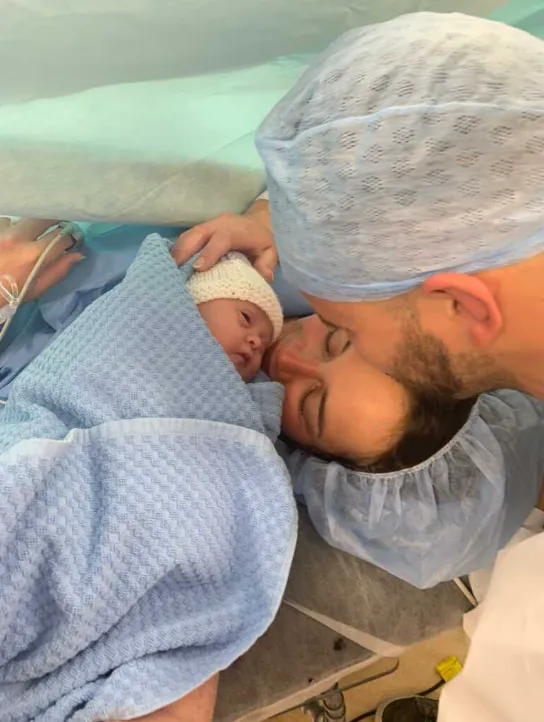
The Birth That Didn’t Belong to Me
At 36 weeks, we relocated to Dublin to be near specialists. At 39 weeks, I was scheduled for induction.
But at 5 a.m. that morning, my water broke.
Eighteen hours passed. No contractions. Antibiotics. Then IV syntocinon.
Ross was only allowed in once I reached active labor.
The contractions came strong and steady. I breathed through them, even enjoying the rhythm I had practiced for months.
Then everything stalled.
Evie’s heart rate dipped with every contraction.
An emergency C-section was called.
She was born pink. Perfect. She cried once.
Then she was taken away.
I had two minutes.
Two minutes to see her.
Two minutes to love her before she disappeared into the NICU.
It was the proudest and most devastating moment of my life.
When the NICU Steals the Firsts
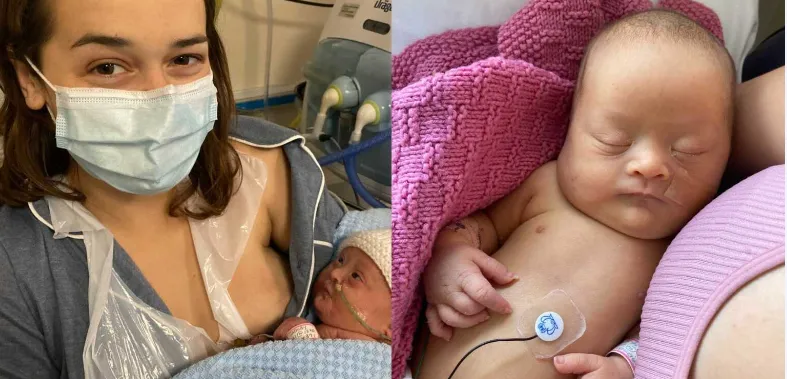
I didn’t hold her for eight hours.
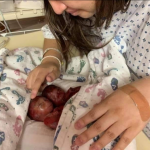
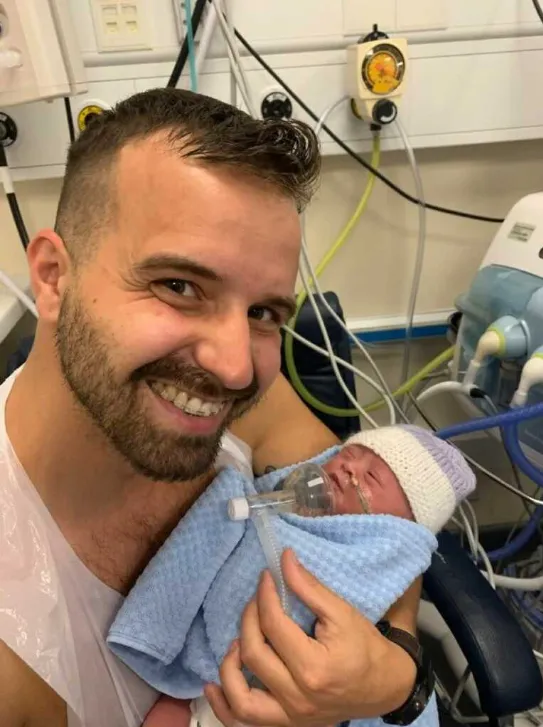
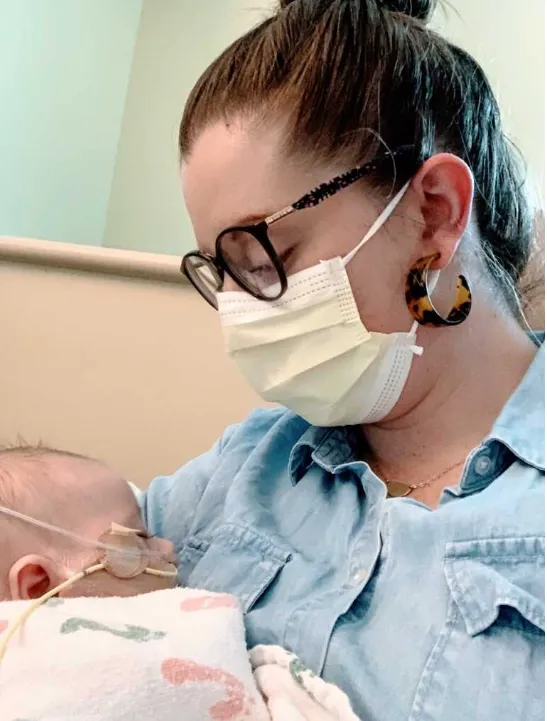
Ross held her first—wrapped in plastic, masked, separated by barriers that still haunt me. My first photo holding her shows exhaustion, grief, and hope battling across my face beneath layers of PPE.
From the beginning, she stared at me.
Locked onto me.
As if she knew.
That bond has never loosened.
And yet, the loss remains.
I grieve the birth I imagined—the skin-to-skin, the feeding, the quiet moments that never happened. I grieve the delivery that was taken from me before it even began.
Loving Her and Mourning at the Same Time
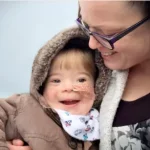
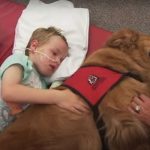
Evie is resilient. Determined. Loved. She lights up rooms.
Her heart defect remains inoperable. Time is something we pray stays on our side.
After her 12-week scan, I wrote a poem. It ends like this:
This baby will always be our greatest achievement.
We will take any outcome as what is meant to be.
Baby, if you come early or late,
We will make sure you are wild and free.
I love my daughter with everything in me.
But I still mourn the way she entered the world.
And both truths are allowed to exist.
Because loving her didn’t erase the trauma.
It just gave it meaning.